Rivian's Most Affordable SUV Arrives With Serious Performance
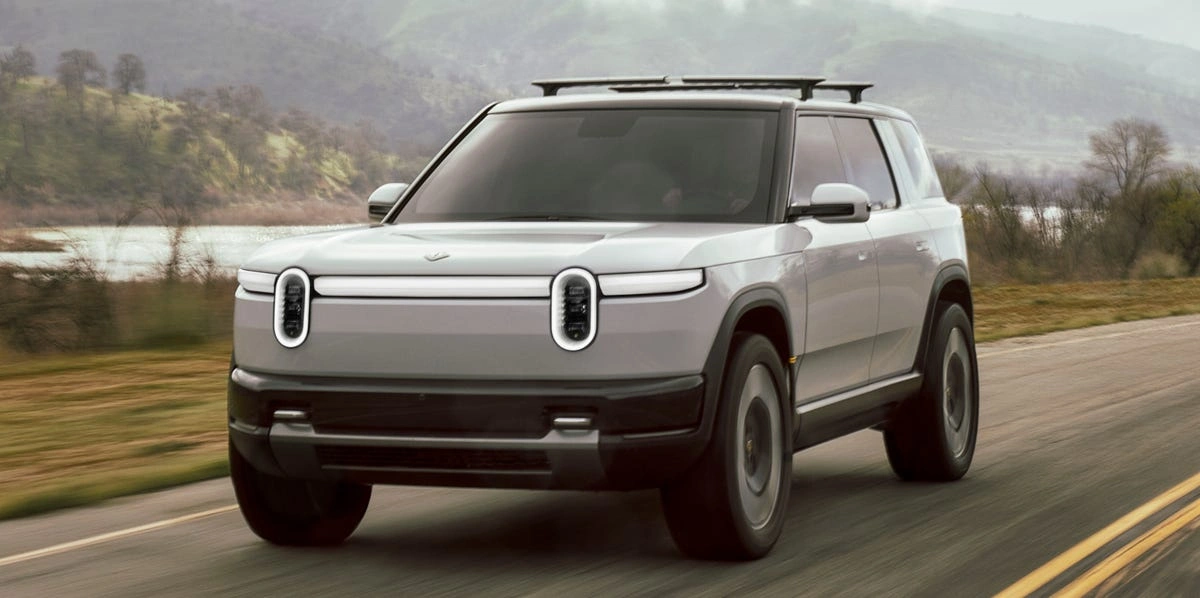
After months of anticipation, Rivian has finally unveiled the R2, its most accessible electric SUV to date. The dual-motor AWD launch model delivers 656 horsepower and 609 lb-ft of torque, accelerating from 0-60 mph in just 3.6 secondsperformance that rivals premium electric vehicles at a fraction of the cost. With an estimated starting price around $50,000 and a 300+ mile EPA range, the R2 represents a significant shift in Rivian's strategy: proving that adventure-ready electric vehicles don't require a six-figure price tag.
Engineering Simplicity Without Sacrificing Power
Rivian achieved the R2's aggressive pricing through radical engineering simplification. The company consolidated its electrical architecture into a single custom silicon chipreplacing the R1's multiple dedicated chipsets for infotainment, computer vision, telematics, and audio. This consolidation, combined with a unibody construction instead of the R1's body-on-frame design, reduces curb weight to approximately 5,000 pounds, over 2,000 pounds lighter than the R1S.
The powertrain underwent equally significant redesign. Rivian's new "Maximus" electric drive units use continuously wound stators instead of hairpin designs, eliminating thousands of welds and reducing manufacturing complexity. The front motor alone is 60 pounds lighter than previous iterations. The R2 also removes 2.3 miles of wiring compared to the R1a seemingly small detail that compounds across the entire vehicle to lower costs and improve reliability.
Suspension and Drive Dynamics Reimagined
Perhaps most notably, Rivian replaced the R1's active air suspension with a passive multi-link setup featuring semi-active dampers and steel coil springs. This change fundamentally alters how the R2 behaves across drive modes. Unlike the R1, which disconnects the front motor in two-wheel-drive and Conserve modes, the R2 disconnects the rear motor insteada torque distribution strategy that favors rear-wheel efficiency during lighter driving.
Early test drivers report that the R2 feels more refined on pavement than the heavier R1S, partly because lower tire pressures are needed to support less mass, and the lower ride height reduces body roll perception in corners. The vehicle "positively leaps off the line," according to Car and Driver's testing, suggesting that Rivian's 3.6-second 0-60 estimate may be conservative.
Technology and Autonomy Features
The R2 launches with 11 cameras and five radar units supporting Universal Hands-Free drivingRivian's answer to Tesla's Full Self-Driving. Like FSD, it enables hands-off, eyes-on driving on most mapped roads, leveraging data from both Tesla's and Rivian's extensive vehicle fleets. The company has also integrated a new LiDAR sensor and its proprietary silicon chip to pave the way for Level 4 autonomous driving in future updates.
Interior details reflect the cost-conscious design philosophy: the rear window rolls down fully, though rear side windows remain fixed. The steering wheel features new haptic feedback wheels, though early reviews suggest mixed reactions to this feature.
Charging and Real-World Usability
The R2 uses a 400-volt architecture with an 87.4 kWh battery pack in the version tested by media. DC fast charging enables 10-80% charging in approximately 30 minutes, making road trips practical. The 300+ mile range covers most daily driving scenarios, and the compact dimensions (185.9 inches long, 75 inches wide) make it easier to park and maneuver than the R1S.
Why This Matters
The R2 represents a critical inflection point for Rivian. The company has proven it can engineer a compelling electric SUV without the premium pricing that has limited EV adoption. For buyers seeking adventure-ready capability without Tesla's polarizing brand or traditional automakers' half-hearted EV efforts, the R2 offers a genuine alternative. The vehicle's aggressive performance specs and off-road heritage suggest that Rivian hasn't compromised on the "adventurous forever" ethos that defines the brand.
What's Next
The R2 launches in spring 2026, with single-motor and dual-motor variants expected at different price points. Rivian has previously stated the R2 will start at $45,000, though current estimates suggest the dual-motor launch edition will command closer to $50,000-$55,000. As production ramps, the company will face its biggest test yet: delivering affordable electric vehicles at scale without sacrificing the quality and performance that early adopters expect.
This article was written by AI from reporting by caranddriver.com.