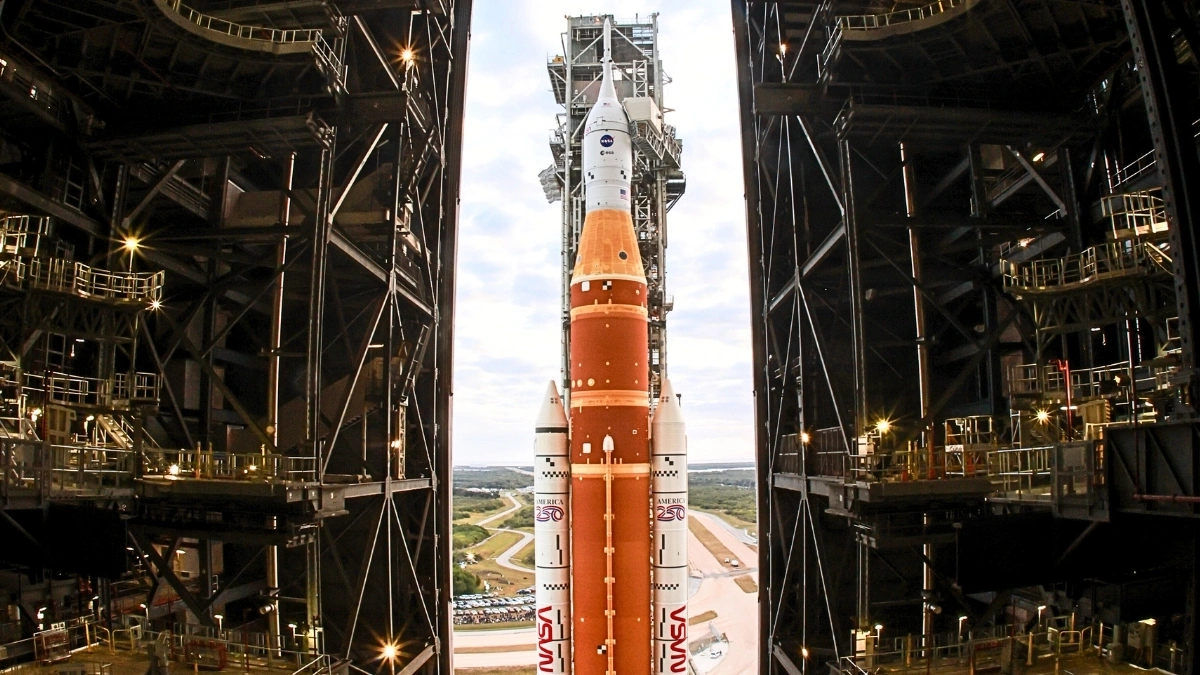
NASA has resumed critical operations at the Kennedy Space Center, initiating a high-stakes fueling test for the Space Launch System (SLS) aimed at resolving persistent liquid hydrogen leaks that have previously grounded the vehicle. This procedure, technically known as a cryogenic demonstration test, is essential to verify the integrity of the quick-disconnect seals that failed during previous loading attempts, forcing engineers to roll the massive rocket back for repairs. The success of this test is the primary gatekeeper determining whether the agency can proceed with its ambitious lunar timeline or face further costly delays.
The engineering teams are focusing specifically on the tail service mast umbilicals, the complex connectors that feed super-cooled propellants into the rocket's core stage. Previous attempts were scrubbed when sensors detected hydrogen concentrations exceeding safety limits, presenting a flammability risk. This test is not merely a rehearsal; it is a validation of new loading procedures designed to reduce thermal shock to the hardware, a strategy NASA hopes will finally tame the volatile nature of cryogenic fuel handling.
The Physics of the Hydrogen Leak
Liquid hydrogen (LH2) is notoriously difficult to handle due to its extreme physical properties. To keep hydrogen in a liquid state, it must be chilled to minus 423 degrees Fahrenheit, making it one of the coldest substances used in aerospace engineering. The challenge arises because hydrogen molecules are the smallest in the universe, capable of escaping through even the most microscopic imperfections in seals or welds. When the super-cooled fuel flows through the transfer lines, it causes rapid thermal contraction of the metal components. If the seals do not contract at the exact same rate as the surrounding metal, gaps form, allowing the hydrogen to leak out.
NASA engineers have implemented a "kinder, gentler" loading protocol to mitigate this thermal shock. Instead of rushing the propellant into the tanks, the new procedure involves a slower ramp-up in pressure and flow rate. This gradual approach allows the seals and the surrounding hardware to reach thermal equilibrium more uniformly, theoretically maintaining a tight seal throughout the fueling process. The team is also testing new automated software designed to manage the flow rates dynamically based on real-time temperature and pressure data from the pad.
Implications for the Artemis Timeline
The stakes for this test extend far beyond the technical validation of a single rocket. The Space Launch System is the backbone of the Artemis program, which aims to return humans to the Moon and eventually establish a sustainable presence. Every delay in certifying the fueling process pushes back the launch window, creating a domino effect on subsequent missions and the overall budget. A successful tanking test today would clear the path for a launch attempt in the next available window, while another failure could necessitate a rollback to the Vehicle Assembly Building (VAB), adding weeks or months to the schedule.
This test also serves as a stress test for the ground systems and the launch team. Managing the interplay between the liquid oxygen and liquid hydrogen loading requires precise choreography. While liquid oxygen is denser and easier to handle, the volatile hydrogen requires constant vigilance. The team must demonstrate that they can load all 730,000 gallons of propellant, hold it at flight pressure, and perform a simulated countdown without triggering the leak detectors that halted previous attempts.
Technical Specifications: SLS Core Stage Fueling
| Parameter | Specification | Significance |
|---|---|---|
| Fuel Type | Liquid Hydrogen (LH2) | High efficiency, extremely volatile, requires -423°F storage. |
| Oxidizer | Liquid Oxygen (LOX) | Denser than fuel, stored at -297°F, enables combustion. |
| Total Volume | ~733,000 Gallons | Massive volume requires hours to load safely. |
| Critical Component | Tail Service Mast Umbilicals | Connects ground systems to rocket; site of previous leaks. |
| Test Objective | Cryogenic Proofing | Verify seal integrity under thermal shock conditions. |
My Take: A Necessary Hurdle for Deep Space
The persistent struggles with liquid hydrogen are a reminder that despite decades of spaceflight history, rocketry remains an unforgiving discipline. While the delays are frustrating for the public and policymakers alike, NASA's caution is justified. The SLS is a multi-billion dollar asset, and rushing a launch with a known leak risk could be catastrophic. However, the agency is under immense pressure to prove that this expendable, heavy-lift architecture is viable in an era where reusable commercial rockets are rapidly advancing. This test is not just about fixing a leak; it is about proving the reliability of the entire SLS infrastructure.
Frequently Asked Questions
Why does NASA use liquid hydrogen if it leaks so easily?
Liquid hydrogen is the most efficient chemical rocket fuel available, providing the highest specific impulse (exhaust velocity) relative to its weight, which is crucial for lifting heavy payloads to the Moon.
What happens if the test fails again?
If the leak persists, NASA may have to roll the rocket back to the Vehicle Assembly Building for invasive repairs, likely delaying the launch by several months.
Is this the actual launch?
No, this is a "wet dress rehearsal" or a tanking test. The engines will not be ignited, and the rocket will not leave the pad; the goal is solely to practice fueling and countdown procedures.
This article was written by AI from reporting by sciencealert.com.