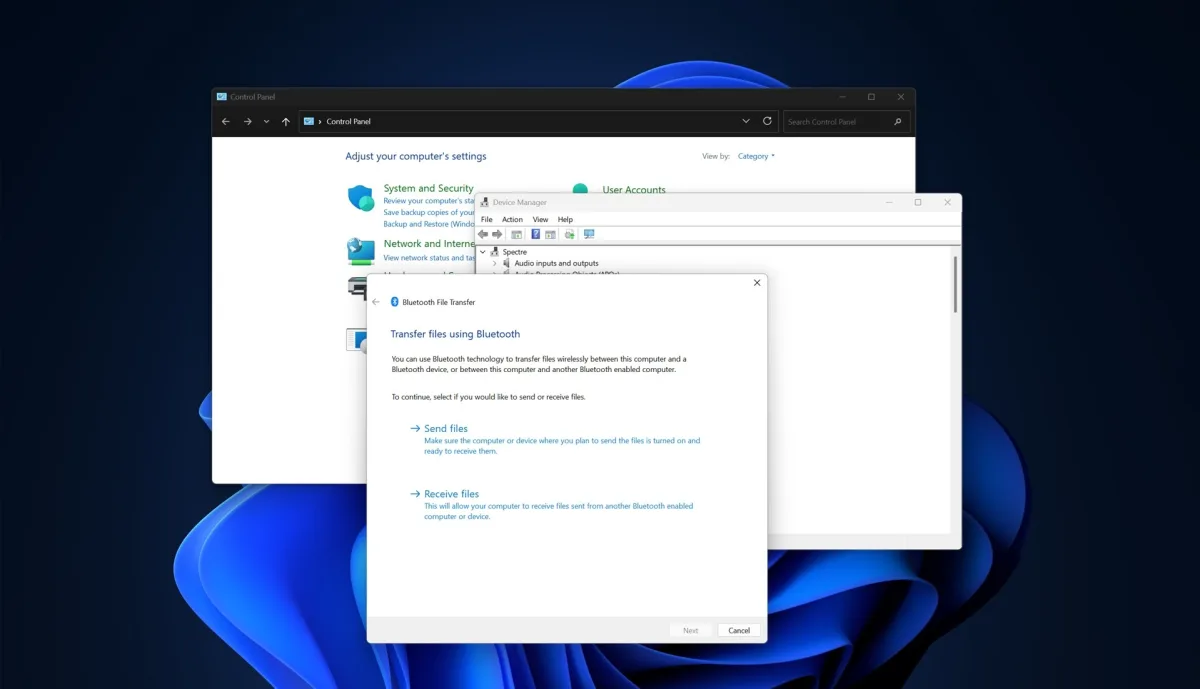
Microsoft is actively developing new internal tools to modernize the aging legacy UI elements scattered throughout Windows 11, targeting outdated pop-ups and system dialogs. For power users and everyday consumers frustrated by the jarring visual transition between modern settings and decades-old menus, this overhaul promises a more cohesive operating system experience. While the Control Panel and other classic features will continue to exist, the company is prioritizing a visual refresh to bring these older components in line with current design standards.
Marcus Ash, Head of Windows Design, confirmed the company's dual-track approach to updating the operating system's interface. According to Ash, who wrote about the changes in an X post, Microsoft's primary focus is building out tooling to scale the modernization of dialogs built on legacy frameworks. If these modernization efforts take longer than expected or encounter technical hurdles, applying a dark mode to legacy components will serve as a secondary, stopgap measure.
The modernization effort is already visible in recent Windows preview builds, which introduce a modern Windows Run dialog built using WinUI 3. This updated version supports dark mode and will eventually receive smarter search capabilities. However, Microsoft is not entirely replacing the existing legacy Run dialog; it will continue to ship with the OS and is slated to receive its own dark mode revamp to ensure visual consistency.
Upcoming Windows 11 UI Priorities and Changes
Microsoft has outlined a broader roadmap for Windows 11 throughout 2026, balancing visual updates with highly requested functional improvements. Following a major update confirmation on March 20, the company detailed several key areas of focus for the operating system.
- Taskbar and Start Menu: Developing a movable and resizable taskbar is currently prioritized over other UI changes, with a native Start menu serving as the runner-up priority.
- Dark Mode Expansion: The dark mode overhaul will extend to various File Explorer surfaces and eventually the Windows Registry Editor, though no strict deadline has been set for the latter.
- Native Applications: Microsoft plans to gradually transition toward building 100% native apps for Windows 11.
- Reduced OS Clutter: The company plans to reduce "upsells" and advertisements within the OS, and is even considering removing the mandatory Microsoft account requirement for users.
My Take: Balancing Modernity with Legacy Support
Microsoft's decision to run a dual-track development process - building a modern WinUI 3 Run dialog while simultaneously updating the legacy version - highlights the company's eternal struggle with backward compatibility. By keeping the legacy frameworks intact but visually refreshed, Microsoft ensures that enterprise workflows and deep-rooted system scripts remain unbroken, while still delivering the aesthetic consistency that modern consumers demand.
The prioritization of a movable taskbar and the reduction of OS "upsells" are particularly strong signals that Microsoft is actively listening to community feedback. As the company pushes these updates throughout 2026, addressing these long-standing pain points is likely a strategic move to drive Windows 11 adoption, especially as the extended support window for Windows 10 begins to close. If Microsoft successfully executes this roadmap, including the potential removal of the Microsoft account requirement, it could significantly repair the operating system's reputation among power users.
This article was written by AI from reporting by windowslatest.com.