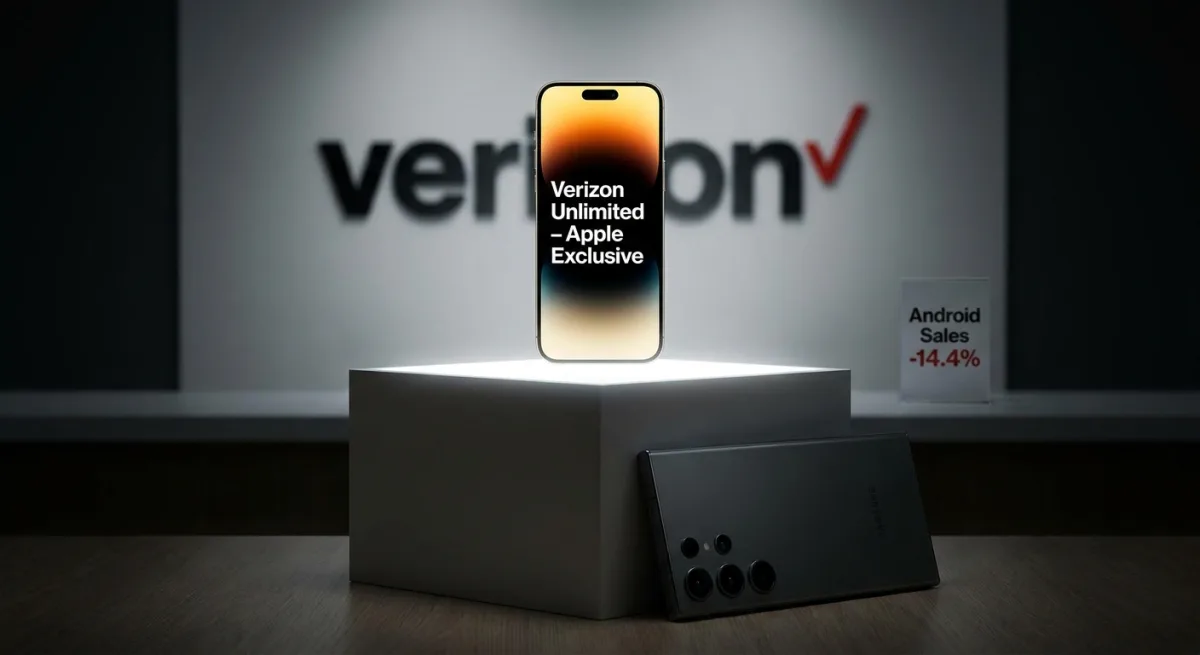
Android smartphone sales in the US have taken a severe 14.4% dive in the first quarter of 2026, allowing Apple to expand its footprint even as the broader market contracts. According to new data from Counterpoint Research, total US smartphone sales declined by 5.7% year-over-year, yet Apple successfully grew its iPhone shipments by 1.3%. This shift highlights a growing disparity in the premium mobile sector, where strategic timing and aggressive carrier promotions are outweighing traditional brand loyalty.
The Cost of the Galaxy S26 Delay
The traditional first-quarter battleground usually pits Apple’s aging iPhone lineup against Samsung’s latest flagship releases. However, Samsung's decision to postpone the launch of the Galaxy S26 series until mid-March fundamentally altered the landscape. This one-month delay created a significant vacuum in the premium smartphone tier during January and February.
Without a new Galaxy device to anchor Android sales, consumers looking for high-end upgrades largely gravitated toward the iPhone 17 series. The absence of a direct competitor allowed Apple to maintain momentum well past its usual holiday sales peak, capturing users who were ready to upgrade but unwilling to wait for Samsung's delayed hardware.
Apple's Carrier Fortress
The impact of this shift is most visible in carrier retail channels, where Apple captured a staggering 77% of all smartphone sales at Verizon during Q1 2026. Counterpoint Research notes that Apple outmaneuvered Samsung in "promotional power" for devices priced above the $600 threshold. While Android manufacturers grapple with rising component costs, Apple maintained stable pricing for entry-level models like the iPhone 17e, which now features a doubled base storage of 256GB.
Despite the heavy losses in the premium postpaid market, the Android ecosystem did find some stability in other sectors. Brands like Motorola and Samsung recorded growth in the prepaid market and national retail chains, including Walmart and Target. However, the high-margin postpaid space remains firmly under Apple's control.
The Premium Postpaid Trap
The Q1 2026 data reveals a structural vulnerability for Android manufacturers in the US market. Samsung’s brief absence didn't just delay sales; it actively handed premium customers to Apple. By keeping the iPhone 17e pricing stable and doubling the base storage, Apple effectively neutralized the traditional Android value proposition.
If Android brands want to break Apple's 77% stranglehold at major carriers like Verizon, they must aggressively restructure their carrier promotional strategies rather than relying solely on hardware release cycles. Winning the budget prepaid market keeps shipment volumes up, but losing the premium postpaid sector starves Android OEMs of the high margins necessary to fund future innovation.