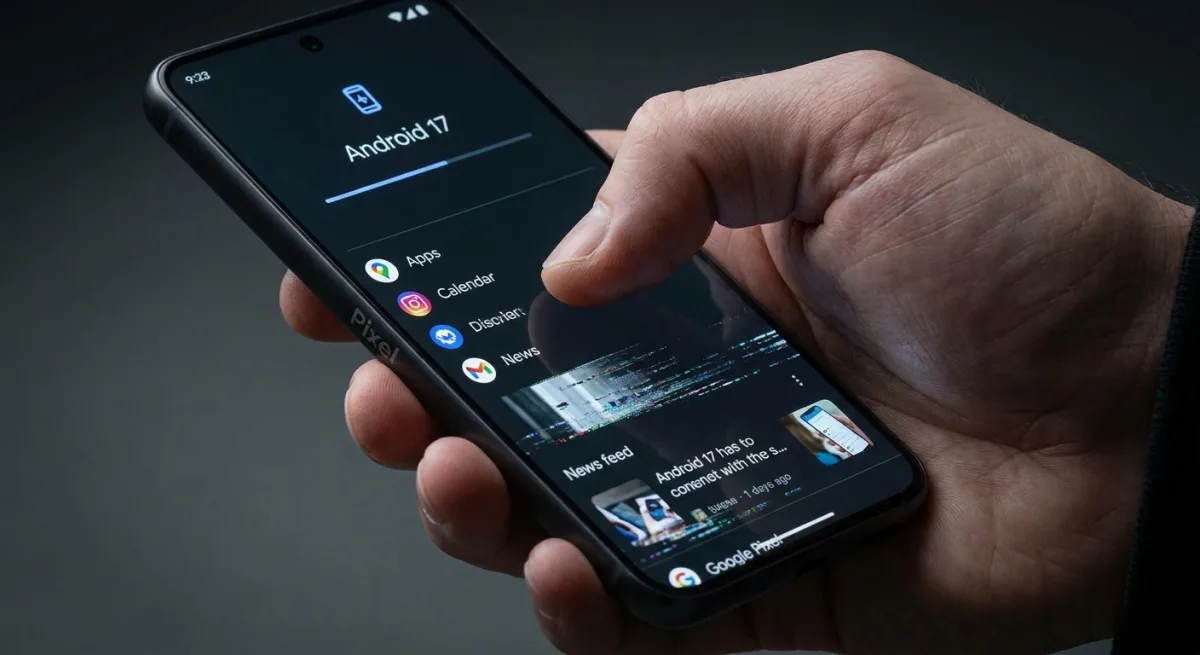
Pixel owners upgrading to the newly released Android 17 are encountering severe touchscreen malfunctions, transforming routine navigation into a frustrating experience. Instead of a smooth transition to the latest OS, multiple generations of Google's flagship devices are suffering from erratic scrolling and unresponsive displays.
According to multiple Reddit threads, the Android 17 touchscreen bug manifests in two primary ways. Users report their screens either temporarily freezing and ignoring touch input entirely, or bizarrely inverting vertical swipes. In the latter scenario, swiping up causes the user interface to scroll down. These input failures are not isolated to specific applications; they occur system-wide across the UI.
The issue appears widespread across the modern Pixel lineup. User reports confirm that the Pixel 10, Pixel 9, Pixel 8, and Pixel 7 series are all affected. While the Pixel 6 has not been explicitly singled out in these initial complaints, it remains vulnerable, whereas the Pixel 5 and older models are unaffected simply because they do not receive the Android 17 update.
How to Troubleshoot the Android 17 Touch Bug
Google is aware of the situation. The official PixelCommunity Reddit account has acknowledged the problem and offered a preliminary workaround, though user success varies. If your device is affected, you can try these community-tested methods:
- Clear the Pixel Launcher Cache: Google officially recommends clearing the cache for the Pixel Launcher app. However, at least one user reported this did not resolve their scrolling issues.
- Disable Smooth Display: Another user found temporary relief by turning off the Smooth Display feature on their Pixel 8 Pro, though this workaround has yielded mixed results for others.
This touch input failure joins a growing list of early Android 17 glitches. Recently, reports surfaced regarding a separate bug tied to work profiles that causes users to lose access to their home screen widgets, an issue Google is actively investigating.
The Cost of Rushing Stable Releases
The emergence of a system-breaking input bug on a stable OS rollout highlights a recurring quality assurance problem for Google. When core functionality like touch input fails on brand-new flagship hardware like the Pixel 10, it severely undermines consumer confidence in day-one updates.
Until Google issues a definitive OTA patch, users who rely heavily on their devices for daily tasks should consider delaying the Android 17 installation. This situation reinforces the unwritten rule of modern software: waiting for the first minor patch is often the safest upgrade strategy.