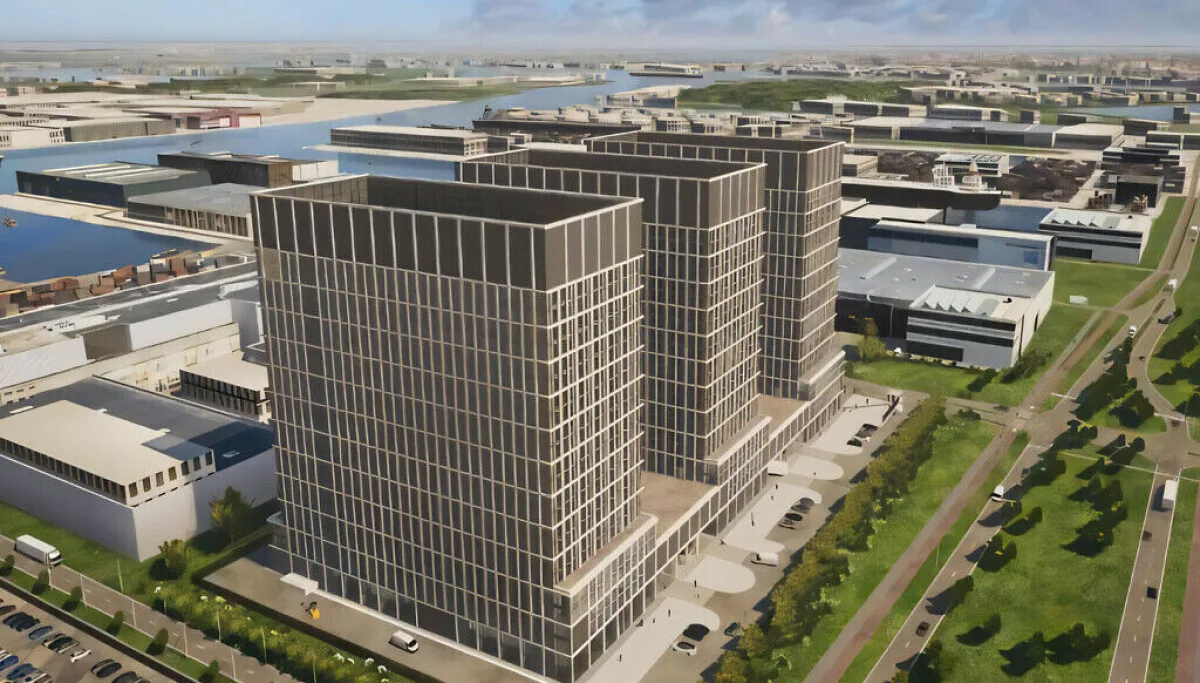
Climate activists from Extinction Rebellion have escalated their protests against AI infrastructure by launching an acid attack on an under-construction Microsoft datacenter in Amsterdam. The group targeted the facility's foundations with water balloons filled with a corrosive chemical mixture, attempting to sabotage the concrete and steel reinforcement.
The targeted mixture contained hydrogen peroxide, acetic acid, salt, and acrylic paint. According to the activist group, this specific combination was engineered to degrade the building materials and accelerate the corrosion of the structural steel.
Extinction Rebellion spokesperson Martijn Dekker justified the sabotage by arguing that datacenters and the artificial intelligence they power are severely exacerbating the global climate crisis. "We must join forces and resist the anti-democratic power of this small group of the very wealthiest," Dekker stated, adding that halting the construction is a necessary step.
Such data centers are superfluous. They are mostly deployed for AI purposes, and although AI has some meaningful applications, the majority of them are undesirable: jobs are lost and the work of artists and others is shamelessly stolen to generate AI content.
- Extinction Rebellion
The facility is being developed by the UK-based Pure Data Centres Group (Pure DC) and is reportedly fully leased to Microsoft. Once completed, the site will feature three 85-meter towers, each housing 26 MW of data halls, bringing the total capacity to 78 MW. Local media noted that this specific three-tower design allowed the developers to bypass Amsterdam's strict regulations against new single-structure hyperscale datacenters.
Despite the aggressive tactics, Pure DC confirmed to the Dutch newspaper NRC that the attack had zero impact on the ongoing construction. The developer intends to pursue legal action against the perpetrators, while Extinction Rebellion has publicly threatened to carry out similar attacks on other datacenter projects in the region.
The Escalating Physical Threat to AI
The Amsterdam incident marks a significant escalation in anti-tech protests, shifting from peaceful council meetings to direct physical sabotage. By exploiting a regulatory loophole - splitting a 78 MW hyperscale facility into three smaller towers - Microsoft and Pure DC successfully navigated local zoning laws, but inadvertently painted a massive target on their backs for environmental groups.
This attack highlights a growing convergence of climate activism and anti-AI sentiment. As generative AI demands unprecedented amounts of electricity and water, tech giants will likely face increased physical security risks at their infrastructure sites, forcing them to treat datacenters not just as digital fortresses, but as potential targets for environmental sabotage.
This article was written by AI from reporting by theregister.com.