Nvidia and Microsoft are aggressively pushing a new era of ARM-based computing with the announcement of RTX Spark PCs, aiming to succeed where the initial 2024 Copilot+ rollout stumbled. Designed to run heavy-duty AI agents locally, these high-end machines represent a fundamental shift in how processing power is allocated between human users and background tasks.
For years, Qualcomm led the charge for software compatibility across major apps, working with Microsoft to enhance the emulation of the standard Intel and AMD-owned x86 architecture. Now, Nvidia is stepping in to provide the discrete GPU capabilities that Snapdragon X chips currently lack.
Kedar Kondap, Qualcomm’s SVP of compute and gaming, defended his company's foundational work, noting that the new PCs are a strong endorsement of a growing ecosystem outside of x86. Kondap emphasized that there are already 50 claws available that run effectively on Snapdragon, though he acknowledged the market's demand for ultra-premium gaming and AI performance.
The Microsoft Surface Ultra and Hardware Shift
The flagship device for this new initiative is the Microsoft Surface Ultra. Arriving this fall, the expensive laptop is the culmination of a project previously dubbed N1X, which Microsoft and Nvidia spent nearly two years developing.
The Surface Ultra features a novel 15-inch mini LED screen that emphasizes peak brightness. Its chassis combines an air vent with a side-firing speaker and prioritizes repairability, hiding accessible screws under the foot caps. It also includes a mysterious USB-C-sized port, which may be a next-generation magnetic Surface Connect interface.
Brett Ostrum, Microsoft’s VP for Surface devices, noted that while the new PCs retain the Copilot+ branding, they target entirely different performance benchmarks and use patterns. Ostrum explained that the biggest gap with early Copilot+ PCs was the consumer demand for performant, thin, and light devices with exceptional battery life.
This premium performance comes at a steep cost. Morgan Stanley reportedly suggested that RTX Spark PCs could start at $2,900, placing them firmly in the enthusiast category alongside high-end Apple silicon.
Project Solara and the Agentic Ecosystem
At the Microsoft Build conference, the tech giant expanded its AI hardware vision beyond traditional laptops. Microsoft showcased Project Solara, an Android-based operating system built specifically for AI agents that runs on separate devices.
The company also introduced Scout, its own OpenClaw-based AI, alongside a dedicated camera badge designed to connect to cloud-based agents. These tools are aimed at software tinkerers and power users looking to automate complex workflows.
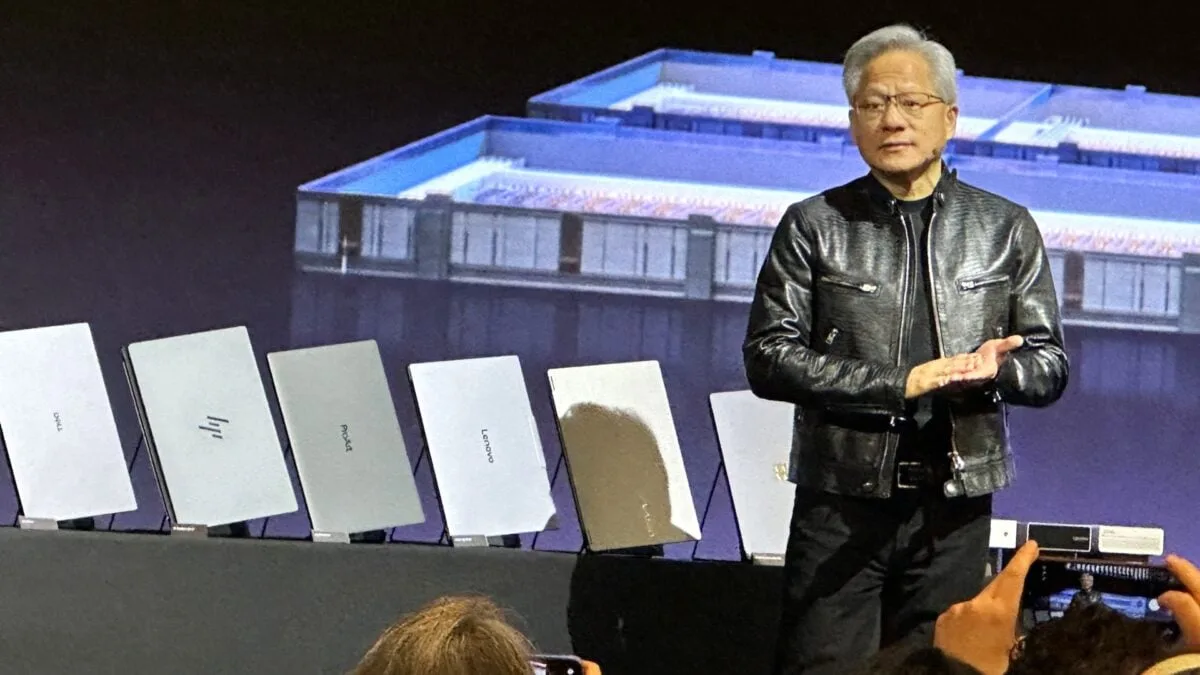
Humans rent cores… but agents, they want to use the CPU to get the job done.
- Jensen Huang, CEO, Nvidia
Nvidia is already looking ahead, with Huang confirming the development of next-gen N2X and N3X chips. He also promised long-term support for the RTX Spark platform, comparing it to the decade-long lifespan of the Nvidia Shield TV boxes.
The Battle for Your CPU
Jensen Huang’s assertion that humans merely "rent" cores marks a dangerous philosophical shift in hardware design. If future Windows iterations prioritize background AI agents over foreground user tasks, the PC is no longer a truly "personal" computer - it becomes a localized server for automated workflows.
The projected $2,900 starting price reveals the true target audience: the growing demographic of developers who currently buy up Mac mini stock just to run OpenClaw locally. By brushing aside legacy ARM driver issues as a niche problem for old printers, Microsoft is signaling that RTX Spark is not for the average consumer.
While Ostrum claims the Surface Laptop Ultra can scale down in price using less-powerful chips - similar to Apple's Mac stack - an affordable, agent-capable laptop remains years away. For now, early adopters are paying a massive premium for the privilege of fighting their own AI for control of their CPU.
This article was written by AI from reporting by gizmodo.com.