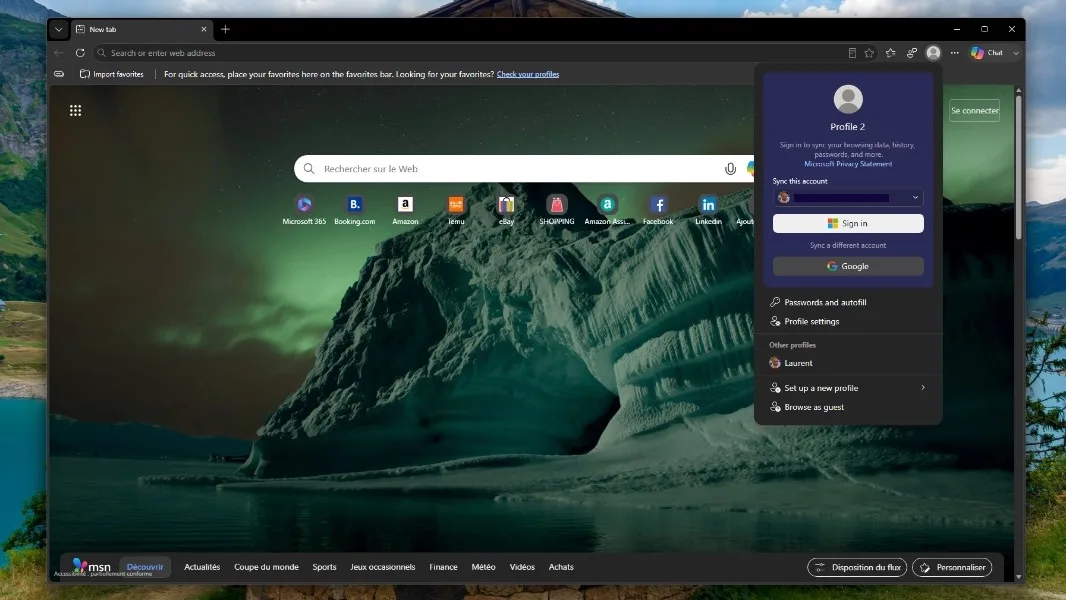
Microsoft is officially bridging the gap between its browser and Google's ecosystem by allowing users to sign into Microsoft Edge using a Google account. The highly anticipated feature is currently rolling out to Windows and macOS users running the just-released version 150 of the browser.
This update is designed specifically for users who prefer Edge's performance but rely heavily on Gmail and Google services. By eliminating the strict requirement for a Microsoft account, users can now seamlessly sync their personal browsing data across devices without managing multiple ecosystem identities.
How to Access the New Sign-In Option
To see if the feature has reached your device, click on the profile picture icon located in the top right corner of the browser. If the rollout has hit your system, a new Google account sign-in prompt will appear directly below the standard Microsoft account option.
While the feature has been tested extensively in the Canary Channel, its arrival on the Stable Channel is happening gradually. Users who do not see the option immediately will need to wait as the version 150 deployment expands.
Sidebar Changes and a Faster Release Cycle
Alongside the identity changes, Microsoft Edge version 150 initiates the retirement of the sidebar's app list feature. Users can no longer add new applications to this sidebar.
Microsoft has confirmed that any apps currently pinned in the app tower will be completely removed in a future update, signaling a shift toward a cleaner interface. Furthermore, Microsoft is accelerating its development timeline to match Google Chrome.
Starting August 27, with the launch of Edge version 152, the browser will transition to a rapid two-week release cycle. Enterprise users who prefer stability will still have access to the Edge Extended Stable Channel, which will continue to receive updates every eight weeks.
The Strategic Surrender to Google's Identity Dominance
Allowing Google account sign-ins is a rare, pragmatic concession from Microsoft. The company is essentially admitting that forcing users to create a Microsoft account is a major point of friction that prevents Chrome loyalists from switching to Edge.
By removing this barrier, Microsoft is prioritizing overall browser market share over its own identity ecosystem growth. It is a smart play, though it is highly unlikely Google will ever reciprocate by allowing Microsoft account sign-ins on Chrome.
Coupled with the removal of the cluttered sidebar app list and the shift to a Chrome-matching two-week release cycle, Edge is clearly shedding its bloated experimental features. The browser is repositioning itself as a leaner, faster alternative that plays nicely with the tools users already use, rather than forcing them into a walled garden.
This article was written by AI from reporting by thurrott.com.