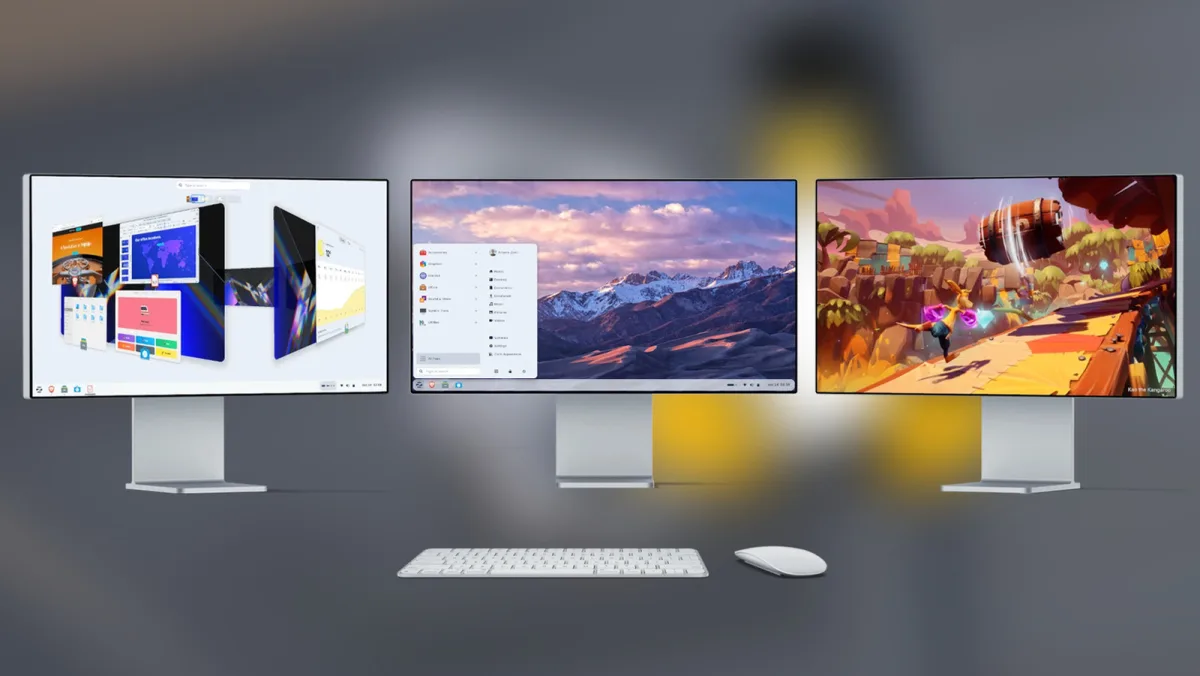
Windows 11's strict hardware requirements and the controversial reception of macOS 26 Tahoe are pushing users to seek alternatives. For those hesitant to abandon familiar interfaces, the best Linux distros now offer seamless transitions that mimic Apple and Microsoft environments without the bloatware. Whether you are dodging incessant ads, avoiding AI features like Recall, or reviving older hardware, these operating systems provide a gentle landing.
- Zorin OS: This distribution allows users to toggle between a Windows-like or macOS-like desktop layout with a single click. It breathes life into older machines with modest requirements of just a 1GHz dual-core CPU and 2GB of RAM, compared to the 4GB needed for Windows 11. Users can install Windows apps automatically via Wine by double-clicking a.exe file, and a $48 Pro version adds extra layouts and pre-installed software.
- elementary OS: Designed specifically to attract former Apple users, this OS features a familiar Dock, Spotlight search, and a strictly curated AppCenter. It includes Mac-like full-screen multitasking, hot corners, and granular app permissions. The project operates on a pay-what-you-want model, allowing users to download it for $0.
- Bazzite: Tailored for PC gamers, this SteamOS alternative transforms a gaming rig into a console with a controller-first UI. It supports dual-booting with Windows and offers a Home Theater PC edition that boots directly into Steam Gaming Mode. However, games utilizing anti-cheat software like "Fortnite," "Apex Legends," and "Battlefield" will not run, though alternatives like Nobara and CachyOS are also viable options.
- PearOS: Going beyond mere inspiration, this distro meticulously copies the Apple aesthetic, featuring a near-identical Dock, Control Center, and a homegrown Pafari browser utilizing the new Liquid Glass design language. While it offers a lightweight macOS-like experience, it is maintained by a solo developer, and its ad-heavy website raises minor long-term support concerns.
- GNOME OS or KDE Plasma: Serving as the foundational desktop environments for the open-source world, KDE Plasma offers a Windows-like Start menu and taskbar, while GNOME provides a macOS-like dock and virtual desktops. These environments are available across various distributions, including Fedora, Kubuntu, Ubuntu, Pop!_OS, and Solus, with Live ISO options allowing users to test them before installation.
The Hardware Rebellion Driving Open-Source Adoption
The migration toward Linux is no longer just a niche developer trend; it is a direct consumer response to forced hardware obsolescence and aggressive AI integration. Microsoft’s decision to turn older, perfectly capable computers into e-waste through arbitrary Windows 11 requirements has inadvertently created a massive market for lightweight alternatives like Zorin OS. When an operating system can run smoothly on a 1GHz CPU and 2GB of RAM, it exposes the artificial bloat driving modern hardware upgrade cycles.
Furthermore, the growing frustration with intrusive features like Microsoft's Recall and the polarizing updates in macOS 26 Tahoe highlights a critical shift in user priorities. Consumers are increasingly valuing privacy, system control, and timeless design over forced AI ecosystems. As gaming compatibility improves through layers like Proton - despite lingering anti-cheat hurdles in competitive shooters - the barrier to entry for everyday users has never been lower.