The dream of linking two graphics cards together to dominate gaming benchmarks sounded perfect on paper. In reality, NVIDIA's SLI (Scalable Link Interface) became a cautionary tale about technology that solves yesterday's problems instead of today's.
What Was SLI, and Why Did It Matter?
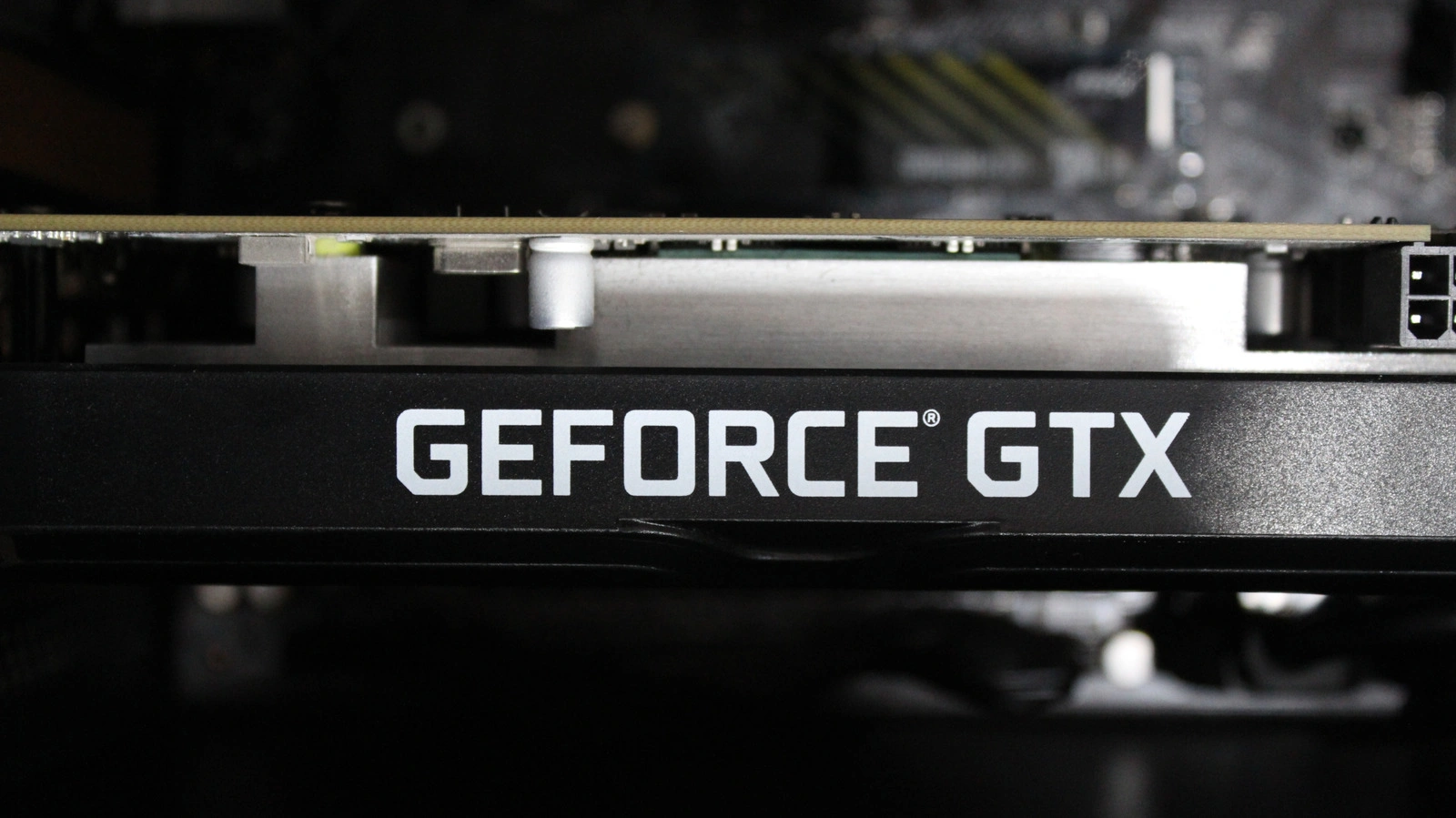
SLI allowed multiple NVIDIA graphics cards to work in parallel, dividing rendering tasks between them. The technology used bridge connectors to synchronize GPUs, enabling them to render frames simultaneously using different modes: Alternate Frame Rendering (AFR), where each GPU handled alternating frames, or Split Frame Rendering (SFR), which divided individual frames into sections for simultaneous processing. In theory, two cards could deliver double the performance of a single GPU.
For years, this was the only path forward for gamers demanding higher frame rates, better resolutions, and enhanced visual effects. Enthusiasts invested in dual-card setups, expecting exponential performance gains. The promise was intoxicatinguntil reality set in.
The Fatal Flaws That Killed SLI
SLI's downfall wasn't technical incompetence; it was market indifference. Game developers rarely optimized for multi-GPU setups, leaving SLI support inconsistent at best. Worse, the technology introduced micro-stutteringvisible frame timing inconsistencies that made gameplay feel choppy despite higher frame rates on paper. Driver support was spotty, and many modern titles simply ignored SLI entirely.
The real killer, however, was Moore's Law working against SLI's value proposition. Single GPUs became so powerful that the performance gap between one card and two narrowed dramatically. By the time a developer bothered optimizing for SLI, a new generation of single-GPU cards had already surpassed dual-card performance from the previous generationwithout the complexity, cost, or driver headaches.
The Numbers Tell the Story
| Setup | Performance Gain | Real-World Issues |
|---|---|---|
| Dual GPU SLI | ~1.5-1.8x (theoretical 2x) | Micro-stutter, poor driver support, high cost |
| Single Modern GPU | Baseline (100%) | Stable, optimized, affordable |
| Next-Gen Single GPU | ~1.5-2x over previous gen | No complexity, full driver support |
The Architectural Shift
Modern GPU architecture evolved to handle the workloads that SLI was designed for. Increased VRAM, wider memory buses, and more efficient shader cores meant that a single card could accomplish what previously required two. Additionally, game engines optimized for single-GPU performance, making multi-GPU support an afterthought rather than a priority.
The only remaining niche for multi-GPU setups is specialized computingVR rendering, where each GPU can handle a separate eye view, or professional workloads like 3D rendering and machine learning. Consumer gaming? That ship sailed years ago.
What This Means for Gamers Today
The death of SLI is actually a win for consumers. Instead of chasing diminishing returns with dual-card complexity, gamers can invest in a single, powerful GPU that delivers better performance, stability, and value. No driver roulette. No micro-stuttering. No bridge connectors gathering dust.
The lesson: sometimes the best technology is the one that becomes unnecessary because something better replaced it.
My Take
SLI's obsolescence reflects a broader truth in tech: complexity loses to simplicity when performance catches up. NVIDIA's multi-GPU ambitions were reasonable in 2006, but by 2020, they were fighting a losing battle against their own single-GPU innovations. Today's RTX 5090 would embarrass a dual-GPU setup from a decade agoand it fits in a single slot. That's not just progress; it's vindication that the industry chose the right path.
This article was written by AI from reporting by bgr.com.