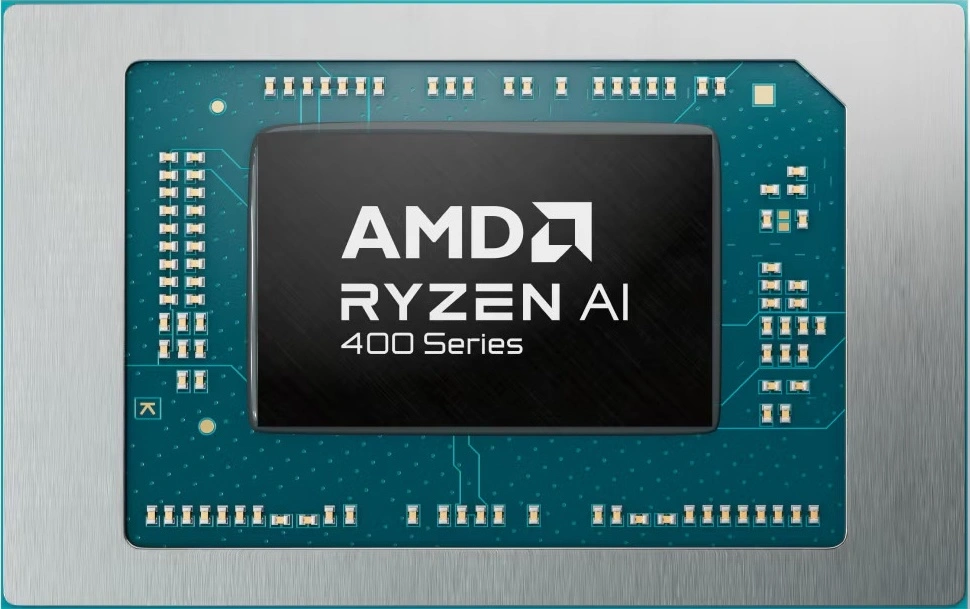
New reports indicate that the AMD Ryzen AI 400 Gorgon Point architecture is poised to migrate from high-end laptops to desktop PCs in the coming months. According to multiple industry sources, AMD is actively planning to adapt these mobile-first silicon designs for standard desktop motherboards, a move that would expand the options available for the AM5 platform.
This development suggests that users looking for high-efficiency processors with powerful integrated capabilities may soon have a new upgrade path. The transition of mobile silicon to the desktop environment typically results in processors that offer a different balance of power and thermal performance compared to traditional high-performance desktop CPUs.
AM5 Socket Compatibility Confirmed
The leaked information explicitly states that the desktop variants of the Gorgon Point chips will utilize the AM5 socket. This is a critical detail for current PC builders, as it implies compatibility with existing 600-series and 800-series motherboards, potentially requiring only a BIOS update. By sticking to the AM5 standard, AMD ensures that these new chips can be easily integrated into the current ecosystem without requiring new hardware foundations.
Release Window: Q1 to Q2 2026
Regarding the timeline, the sources point to a launch window occurring sometime between the first quarter (Q1) and the second quarter (Q2) of this year. This places the potential release in the immediate future, suggesting that AMD may be preparing an official announcement soon to capitalize on the early 2026 hardware cycle.
Frequently Asked Questions
- What is the expected release date for Gorgon Point on desktop?
The chips are tipped to launch between Q1 and Q2 of 2026. - Will Ryzen AI 400 desktop chips require a new motherboard?
No, they are reported to use the existing AM5 socket, likely supporting current motherboards with a firmware update.
My Take: A Win for Compact Builds
Bringing the Ryzen AI 400 series to the desktop is a logical step for AMD. Historically, AMD's "G-series" APUs (which adapt monolithic mobile silicon for desktop sockets) have been champions of the Small Form Factor (SFF) community. These chips often provide superior power efficiency and significantly better integrated graphics performance than their chiplet-based desktop counterparts. If Gorgon Point follows this trend, it could be the definitive choice for builders creating ultra-compact, GPU-less systems in 2026.
This article was written by AI from reporting by notebookcheck.net.