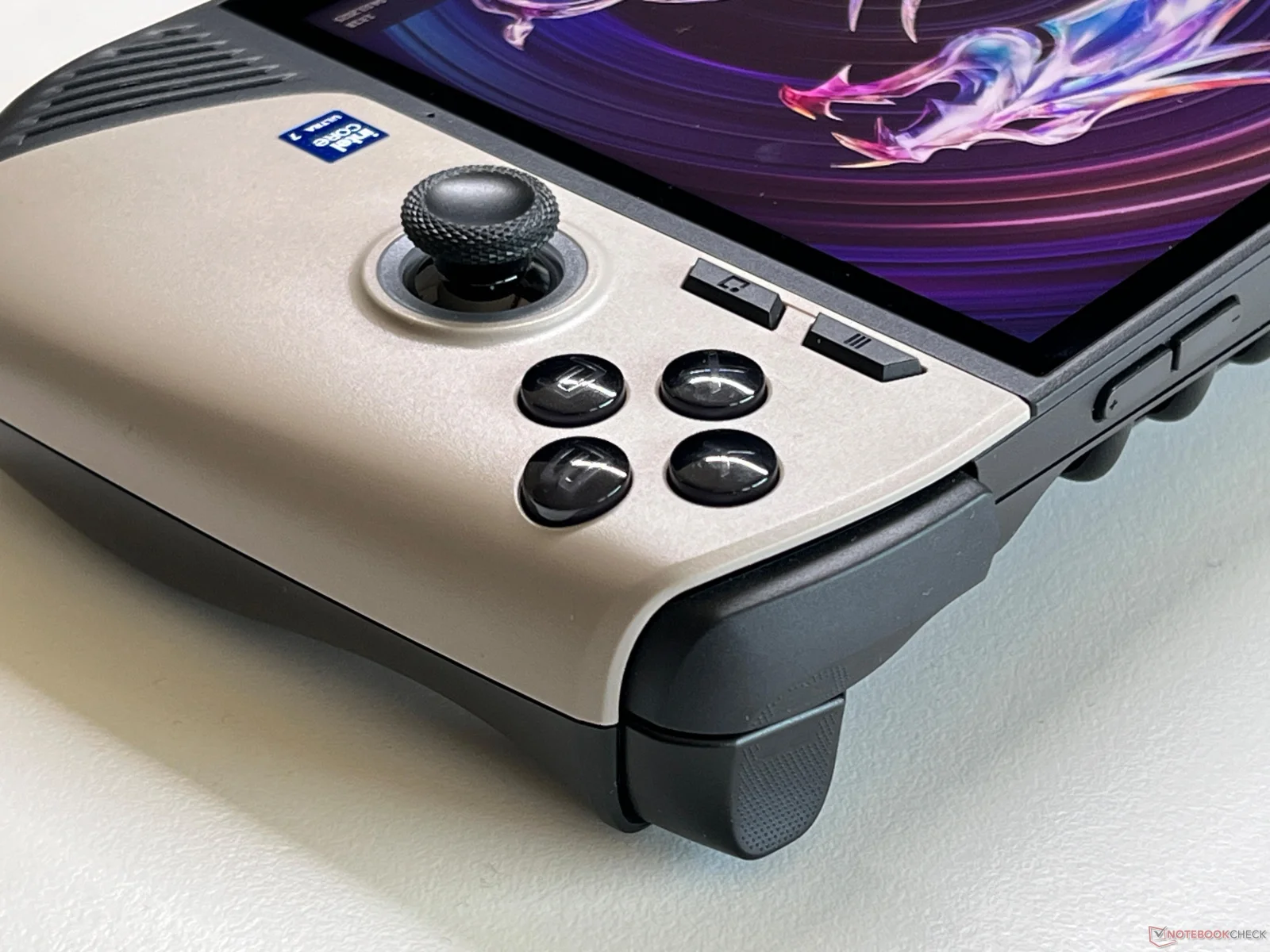
Intel is poised to redefine the portable gaming landscape with its upcoming Panther Lake processors, specifically targeting the critical balance between performance and battery life that defines the handheld market. Recent performance indicators suggest that the Core Ultra 300 series, built on the advanced Celestial Xe3 graphics architecture, delivers substantial frame rate improvements even when constrained to lower power envelopes. This development addresses the single biggest pain point for owners of devices like the MSI Claw or ASUS ROG Ally: the rapid battery drain associated with high-performance gaming on the go.
Unlocking High Performance at 17 Watts
The most significant revelation regarding Panther Lake is its efficiency curve at lower thermal design power (TDP) settings. While traditional laptop chips rely on pushing 28W or 45W to achieve playable frame rates in AAA titles, Panther Lake reportedly shines at the 17W sweet spot. This specific wattage is crucial because it represents the baseline for most modern gaming handhelds in their balanced performance modes. By optimizing the silicon to deliver higher instructions per clock (IPC) and better graphics throughput at this restricted power level, Intel is effectively promising console-quality experiences without the thermal throttling that plagues current-generation hardware.
Engineers have long struggled with the trade-off between raw power and thermal management in compact chassis designs. Panther Lake appears to solve this by leveraging Intel's new 18A process node, which allows for greater transistor density and energy efficiency. This means gamers could potentially see double-digit percentage gains in frame rates for titles like Cyberpunk 2077 or Elden Ring while maintaining the same battery life found in today's less powerful devices. For the end-user, this translates to longer play sessions on a single charge without compromising on visual fidelity.
The Celestial Xe3 Graphics Advantage
At the heart of this performance leap is the integration of the Celestial Xe3 integrated graphics unit (iGPU). Unlike the Alchemist architecture found in Meteor Lake or the Battlemage architecture in Lunar Lake, Celestial is designed from the ground up to scale efficiently across different power profiles. This architecture introduces improved ray tracing capabilities and more efficient execution units that do not require massive power draws to function effectively. The shift to Xe3 suggests that Intel is not just iterating but fundamentally rethinking how integrated graphics should behave in mobile form factors.
This architectural shift is particularly vital for the competitive handheld market, currently dominated by AMD's Ryzen Z1 Extreme chips. By offering a superior iGPU that handles modern rendering techniques like mesh shading and variable rate shading more effectively, Intel provides manufacturers with a compelling reason to switch silicon providers. The Celestial Xe3 architecture also implies better driver support for day-one game releases, a historically challenging area for Intel that they have been aggressively correcting over the last two years.
Comparative Analysis: Power vs. Performance
To understand the generational leap, it is essential to compare the projected capabilities of Panther Lake against its immediate predecessors and competitors. The following table highlights the strategic shifts in architecture and power targeting.
| Feature / Spec | Meteor Lake (Core Ultra 100) | Lunar Lake (Core Ultra 200V) | Panther Lake (Core Ultra 300) |
|---|---|---|---|
| Process Node | Intel 4 | TSMC N3B | Intel 18A |
| Graphics Arch | Xe-LPG (Alchemist) | Xe2 (Battlemage) | Xe3 (Celestial) |
| Target Sweet Spot | 28W - 45W | 17W - 30W | 15W - 28W (High Efficiency) |
| Primary Use Case | Thin & Light Laptops | Premium Ultrabooks | Gaming Handhelds & Performance Mobile |
Strategic Implications for the Handheld Market
The arrival of Panther Lake signals a potential fragmentation or diversification of the handheld PC market. Until now, the Steam Deck and its Windows-based rivals have largely relied on AMD APUs due to their superior integrated graphics performance. Intel's aggressive push with Panther Lake suggests they are ready to challenge this monopoly. If manufacturers like MSI, Lenovo, or even Valve adopt these chips, we could see a new tier of "Pro" handhelds that offer distinct advantages in media encoding and AI-driven upscaling via Intel XeSS, features where Intel often holds an architectural edge over the competition.
Frequently Asked Questions
When will Intel Panther Lake processors be available?
While official release dates are subject to change, industry roadmaps suggest Panther Lake devices will begin appearing in the second half of 2025, targeting the holiday shopping season.
Will Panther Lake improve battery life on gaming handhelds?
Yes, the primary focus of the Panther Lake architecture is performance-per-watt efficiency. By delivering higher frame rates at lower wattages (e.g., 17W), devices can run games smoothly without draining the battery as quickly as current-gen chips.
Is the Celestial Xe3 iGPU better than AMD's RDNA 3.5?
Early projections indicate that Celestial Xe3 will be highly competitive, potentially outperforming RDNA 3.5 in ray tracing scenarios and AI-based upscaling tasks, though real-world benchmarks will be the final judge.
My Take
Intel's pivot toward low-power efficiency with Panther Lake is the most exciting development for PC gaming handhelds since the launch of the Steam Deck. For too long, Windows handhelds have been held back by chips that were designed for laptops first and gaming second. By optimizing the silicon specifically for the 15W-28W envelope, Intel isn't just catching up; they are attempting to dictate the future standards of mobile play. If the drivers are stable at launch, Panther Lake could very well power the "Steam Deck 2" generation of devices.
This article was written by AI from reporting by notebookcheck.net.