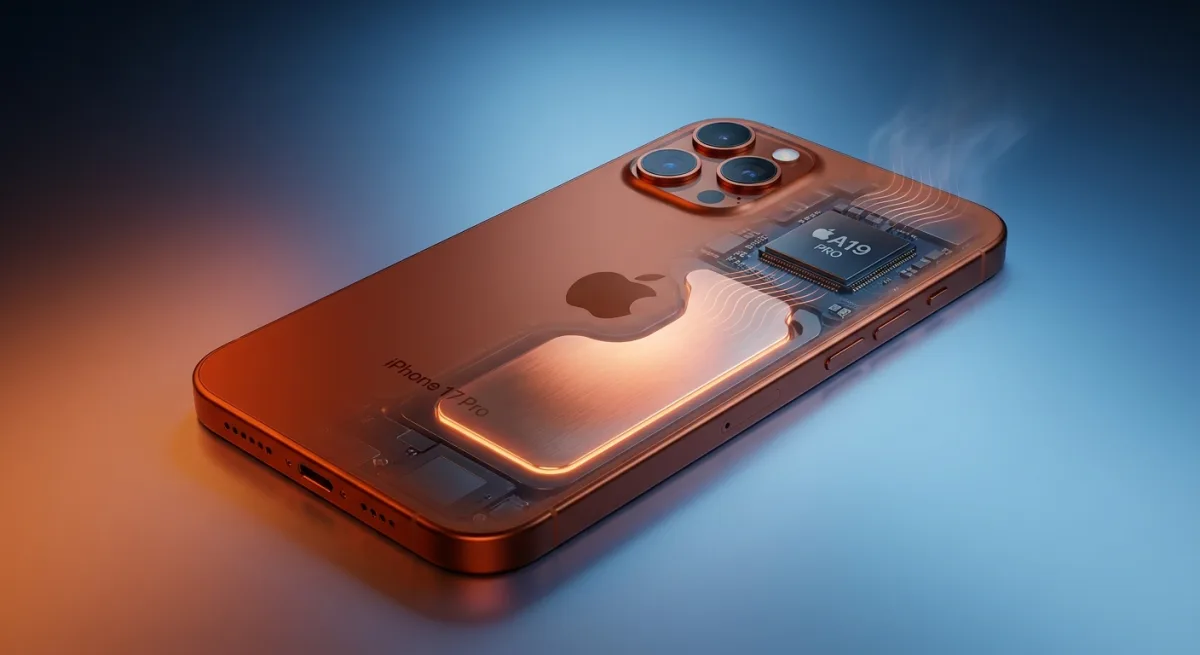
The absence of iPhone 17 Pro titanium in Apple's latest flagship lineup is not a cost-cutting measure; it is a direct engineering solution to the thermal throttling that plagued previous generations. By swapping the premium metal for a laser-welded aluminum unibody, Apple finally integrated a proper vapor chamber to cool the A19 Pro chip. This fundamental design shift unlocks massive sustained performance gains for heavy users.
In September 2023, the company heavily marketed the strong and lightweight titanium design of the iPhone 15 Pro. However, early adopters quickly discovered that the A17 Pro chip could overheat under load. While the iPhone 16 Pro improved heat dissipation, it still lacked the dedicated vapor chamber found in rival Android flagships. That changed with the iPhone 17 Pro and iPhone 17 Pro Max, which utilize a 7000-series aluminum alloy to deliver what Apple calls its best-ever thermal performance.
How to Maximize the iPhone 17 Pro's New Thermal Architecture
- Run sustained AAA gaming sessions without frame drops.
The new aluminum chassis dissipates heat efficiently, allowing the A19 Pro to achieve 40% better sustained performance than the A18 Pro. - Execute complex AI models directly on the device.
The integrated vapor chamber prevents the Neural Engine from thermal throttling during heavy local processing tasks. - Edit high-resolution videos using the expanded battery capacity.
Because aluminum is easier to machine, Apple redesigned the internal layout to house a larger battery in the lower section of the handset. - Utilize the improved antenna system for faster connectivity.
The aluminum unibody allows for better signal integration along the perimeter compared to denser titanium frames, while also supporting vivid new finishes like Cosmic Orange.
Despite this shift, Apple has not abandoned titanium entirely. The ultra-thin 5.6 mm iPhone Air uses a breakthrough titanium design to ensure structural integrity and prevent the device from bending during use. Furthermore, the rumored iPhone Fold, expected to launch in September 2026, is also reported to feature a titanium frame and hinge to maintain a thin profile.
The End of Form Over Function
Apple’s quiet retreat from titanium on its most expensive phones signals a crucial maturity in its hardware philosophy. For years, the "Pro" moniker was heavily tied to premium materials - first stainless steel, then titanium - often at the expense of thermal physics. By embracing aluminum, a material traditionally reserved for base models, Apple is finally prioritizing sustained silicon performance over marketing aesthetics.
This pivot also highlights the escalating demands of on-device AI. As local processing requirements surge, passive cooling is no longer sufficient. The 40% sustained performance jump is not just for gamers; it is the foundational infrastructure required to run next-generation Apple Intelligence features without melting the battery. Moving forward, expect titanium to be strictly relegated to ultra-thin form factors like the iPhone Air and the upcoming Fold, where rigidity outweighs thermal mass.
This article was written by AI from reporting by bgr.com.