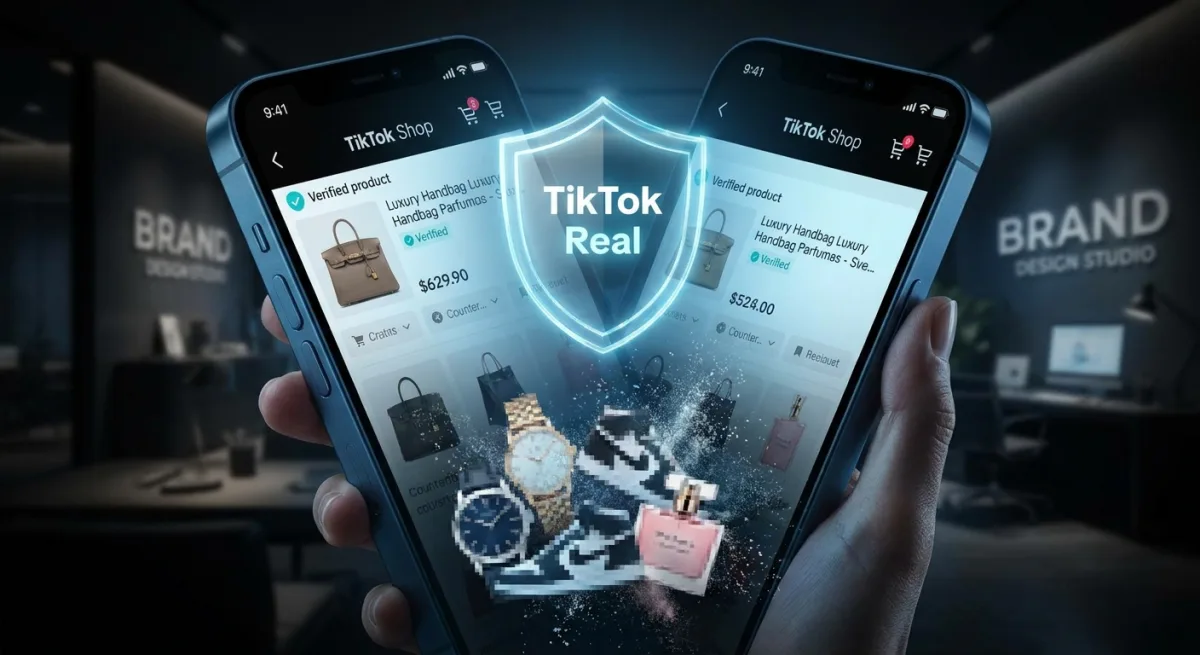
Counterfeit goods cost the global economy nearly half a trillion dollars annually, and social commerce platforms are increasingly becoming the frontline of this battle. To combat the flood of fake merchandise, the company has launched TikTok Real, a new intellectual property (IP) protection initiative designed to purge counterfeit listings from TikTok Shop.
The program directly integrates feedback from IP experts and rights owners into the platform's system features and policies. A core component of this initiative is a new brand-verification module. This tool invites participating brands to manually review and verify the authorization documents submitted by TikTok Shop merchants, ensuring that only legitimate sellers can distribute branded products.
Furthermore, the initiative aims to streamline the Notice and Takedown (NTD) process, accelerating the removal of infringing content. TikTok is also strengthening its proactive detection capabilities to monitor suspicious listings before they reach consumers. "TikTok relies on evolving technologies and systems that collect multiple attributes in order to flag potential infringing content," the company explained in its official announcement.
The scale of the problem is massive; over 70 million product listings were rejected from the platform during the first half of 2025 alone. The Organisation for Economic Co-operation and Development (OECD) estimates that the global trade in fake goods reaches $467 billion annually. This illicit market not only impacts legitimate sales but severely damages brand equity.
Currently, the program includes approximately 100 brands, with more expected to join on a rolling basis. Progress and updates regarding these counterfeit protection efforts will be tracked on a dedicated website.
The Trust Deficit in Social Commerce
While rejecting 70 million listings sounds impressive, it highlights the sheer volume of unverified merchandise flooding social commerce feeds. TikTok Shop has aggressively expanded, but it has simultaneously battled a reputation for hosting cheap, drop-shipped, or counterfeit items - a perception that deters premium brands from officially joining the ecosystem.
By launching this specific initiative, the platform is signaling a necessary pivot from rapid merchant acquisition to strict quality control. If TikTok wants to compete with established e-commerce giants like Amazon, it must prove to high-end rights owners that their brand equity will not be diluted by cheap knockoffs appearing in the same algorithmic feed.
This move is less about protecting consumers and more about securing the lucrative partnerships required to drive higher average order values. Without the trust of major brands, TikTok Shop risks remaining a bargain-bin marketplace rather than a premium shopping destination.