The TikTok AI fruit drama has officially taken over the platform, turning bizarre, generative AI-created produce into the internet's latest obsession. Spearheaded by a viral microdrama series called "Fruit Love Island," this wave of "AI slop" is drawing millions of viewers while sparking intense debates about the future of digital entertainment. For social media marketers, content creators, and tech analysts, this trend highlights a critical shift in user consumption habits. Understanding how low-effort, high-volume generative AI videos can capture millions of eyeballs is essential for navigating the evolving landscape of algorithmic content discovery and platform moderation.
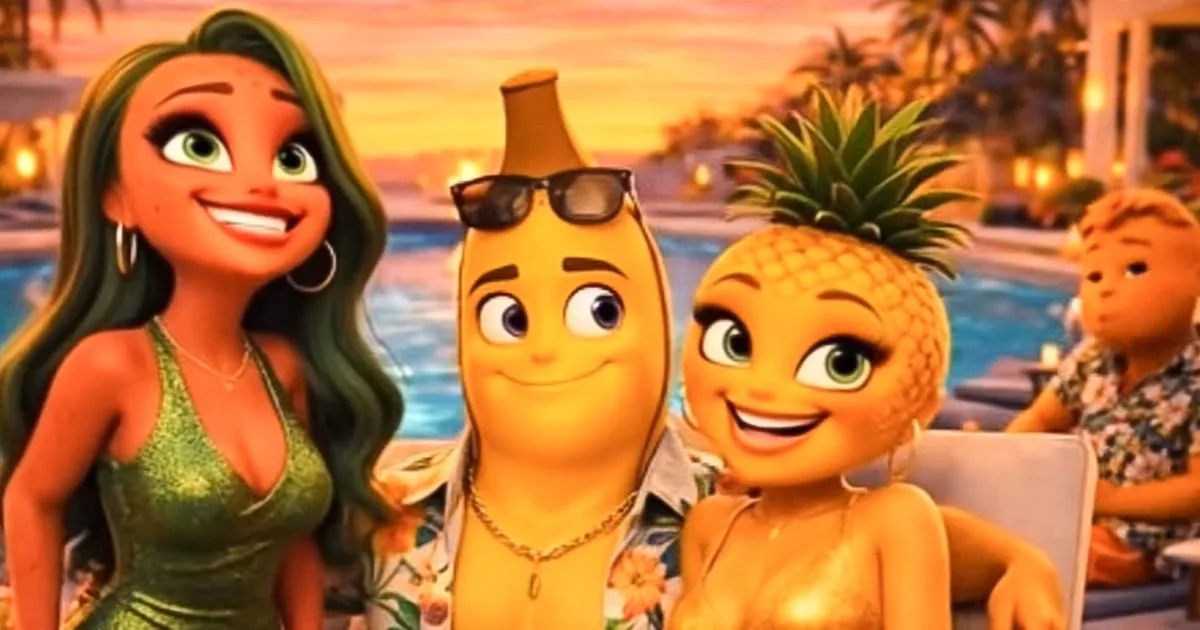
The phenomenon underscores the growing normalization of generative AI in everyday media, proving that audiences will engage with highly predictable, remixed archetypes even when the production quality is intentionally absurd. The breakout star of this movement is "Bananito," an AI-generated talking banana competing on "Fruit Love Island." Inspired by Peacock’s "Love Island" franchise, the series has propelled the TikTok account AI.Cinema021 to over 3.3 million followers in just 10 days. These daily episodes function as bite-size, scripted microdramas tailored specifically for mobile viewing.
Creators are heavily capitalizing on what Merriam-Webster now officially defines as "AI slop" - low-quality digital content produced in mass quantities using artificial intelligence. According to the online database Know Your Meme, AI fruit videos began gaining traction in February. The trend was initially sparked by the TikTok account trombonechef, which posted a bizarre narrative about a strawberry having an extramarital affair with her eggplant boss.
Since then, the genre has exploded with outlandish plots, including a parody of a popular teen show titled "The Summer I Turned Fruity." The absurdity has even prompted human creators to get involved. TikTok users have started re-creating the AI fruit sagas in real life, while "Love Island USA" alumni Kaylor Martin and JaNa Craig recently made a video reacting to the faux reality series. However, the trend has faced significant pushback for its lack of human creativity, choppy editing, and nonsensical plotlines.
Pop star Zara Larsson faced backlash after referencing characters "choclatina and strawberto" on TikTok, with fans accusing her of promoting generative AI. Larsson defended her post, stating she just wanted to be funny and connect with people, though the video was later removed. Other reality stars, like Amaya Espinal, have openly criticized the trend, warning fans during a TikTok Live session about the dangers of normalizing AI duplicates.
In the "AntiAI" community on Reddit, users expressed dismay over society "devolving" by choosing AI slop over traditional media. Furthermore, critics are highlighting the environmental cost; as The Associated Press reported in August, the power demand for data centers is surging. One X user noted that the water consumption required for AI generation could make a water bottle worth "an entire gold bar by 2029," attaching a screenshot of a character named "cherrita."
Despite the backlash, experts see a clear reason for the genre's success. Michael Grabowski, a professor at Manhattan University, described the trend as the video equivalent of fan fiction, noting that AI easily replicates the simple archetypes of reality TV. Meanwhile, Jessica Maddox, an associate professor at the University of Georgia, suggested that Hollywood might eventually adapt a tamer, PG version of an AI fruit movie, emphasizing that the use of identifiable IP has normalized generative AI for the masses.
As for the immediate future, AI.Cinema021 continues to release content. Episode 20, titled "Boys Casa Amor Part One," recently introduced new characters: Passiona (a passion fruit from Massachusetts), Limeyra (a lime from Miami), and Razzeelena (a raspberry from Atlanta). However, due to TikTok removing some videos, the creator announced that the entire series will also be hosted on YouTube.
My Take
The explosive rise of "Fruit Love Island" is a fascinating case study in how algorithmic distribution prioritizes engagement over traditional production value. By leveraging established reality TV tropes, creators are bypassing the uncanny valley effect that usually plagues AI-generated humans. Using anthropomorphic fruit allows them to make the bizarre visual artifacts feel intentional and comedic, rather than like technical failures.
Moving forward, we can expect platforms like TikTok to struggle with moderating this type of high-volume "AI slop." While the creator of AI.Cinema021 is already migrating content to YouTube as a safeguard against takedowns, the sheer scale of generative AI production means platform policies will constantly lag behind user behavior. Ultimately, this trend proves that audiences are highly receptive to AI-generated entertainment, provided it leans into absurdity rather than attempting to perfectly mimic human reality.