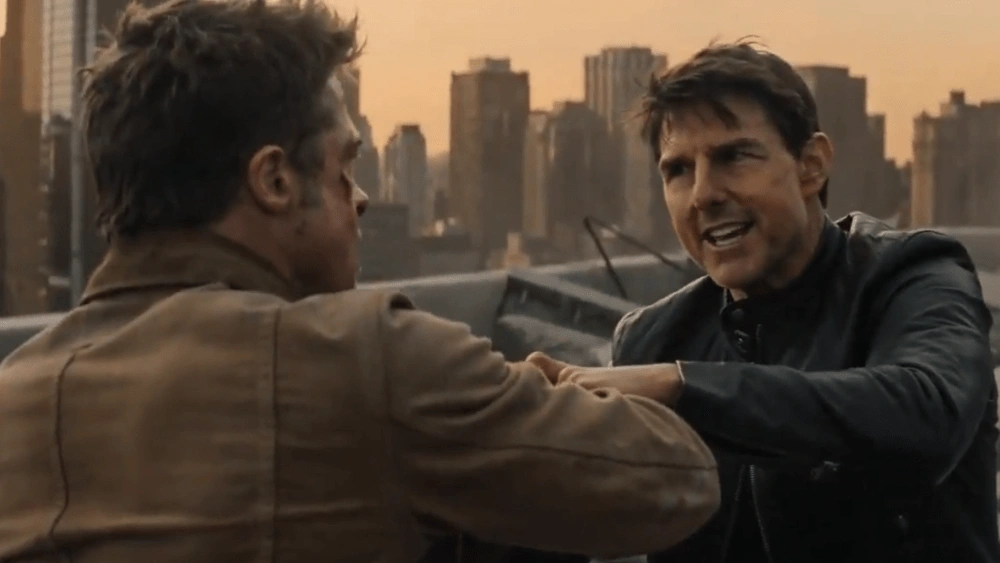
The Motion Picture Association (MPA) has escalated its battle against unauthorized artificial intelligence usage by issuing a stern cease-and-desist order to ByteDance regarding its Seedance 2.0 video generation model. This legal maneuver marks a significant pivot for Hollywood's major studios, moving from general policy advocacy to direct enforcement against specific AI tools accused of scraping intellectual property without consent. The trade group, which represents industry giants such as Disney, Netflix, and Warner Bros. Discovery, alleges that ByteDance is utilizing protected content to train its AI models, effectively allowing users to generate unauthorized clips featuring iconic characters and scenes.
This confrontation highlights the growing friction between the entertainment industry and the tech sector's rapid deployment of generative AI. For content creators and rights holders, the MPA's aggressive stance signals a zero-tolerance policy toward AI platforms that fail to implement robust copyright filters. The outcome of this dispute could set a binding precedent for how video generation modelslike OpenAI's Sora or Google's Veomust handle copyrighted data in the future.
The Core Allegation: Unauthorized Training on IP
At the heart of the MPA's complaint is the assertion that Seedance 2.0 was trained on a massive dataset of copyrighted movies and television shows without licensing agreements. The MPA argues that the model's ability to replicate specific artistic styles, characters, and narrative structures is proof of this infringement. Unlike text-based models where "fair use" arguments are still being debated, the visual reproduction of trademarked characters (e.g., Mickey Mouse or Batman) presents a clearer case of violation.
The letter demands that ByteDance immediately cease using member studios' works for training purposes. This is technically complex, as "unlearning" data from an already trained foundation model is notoriously difficult. The MPA is effectively asking ByteDance to either retrain its model from scratch using only licensed data or face potential litigation that could result in massive statutory damages.
Demanding 'Content ID' for Generative AI
Beyond the training data, the MPA is calling for the implementation of strict safeguards within the Seedance 2.0 user interface. The studios are demanding a mechanism similar to YouTube's Content ID, but adapted for the generative age. This would involve two layers of protection: input filtering and output monitoring.
Input filtering would prevent users from using prompts that specifically name copyrighted works or characters (e.g., blocking prompts like "generate a scene of Iron Man fighting Godzilla"). Output monitoring would use fingerprinting technology to scan generated videos for visual similarities to protected works before they are displayed to the user. The MPA insists that without these guardrails, Seedance 2.0 acts as a tool for mass copyright infringement.
Strategic Implications for the AI Industry
| MPA Demand | Technical Challenge | Industry Impact |
|---|---|---|
| Stop Training on IP | Requires scrubbing datasets and potentially retraining models from scratch (high cost). | Could force AI companies to sign expensive licensing deals with studios. |
| Input Prompt Blocking | Users can use "jailbreak" prompts to bypass keyword filters. | Standardizes strict moderation across all consumer AI tools. |
| Output Fingerprinting | AI generation creates unique pixels, making traditional hash-matching difficult. | Accelerates the development of AI-specific watermarking and detection tech. |
Frequently Asked Questions
What is Seedance 2.0?
Seedance 2.0 is a generative AI video model developed by ByteDance (parent company of TikTok) capable of creating short video clips from text prompts, similar to OpenAI's Sora.
Can the MPA shut down Seedance 2.0?
While the MPA cannot unilaterally shut down a platform, a successful lawsuit could lead to court injunctions forcing ByteDance to block access to the tool in specific regions or pay debilitating fines.
Does this affect TikTok users?
Currently, this is a corporate legal dispute regarding the underlying technology. However, if ByteDance integrates Seedance 2.0 features into TikTok, strict filters could limit what content users can create.
My Take: The Napster Moment for AI Video
We are witnessing the "Napster moment" for generative video. Just as the music industry forced a transition from piracy to streaming services, Hollywood is drawing a line in the sand to force AI companies into a licensing model. ByteDance is a strategic target; as a Chinese company with a massive US footprint via TikTok, they are under immense regulatory scrutiny already. I predict ByteDance will likely capitulate on the safeguards to avoid further antagonizing US regulators, setting a compliance standard that American AI startups will eventually have to follow. The era of "move fast and scrape things" is officially ending for video.
This article was written by AI from reporting by mediagazer.com.