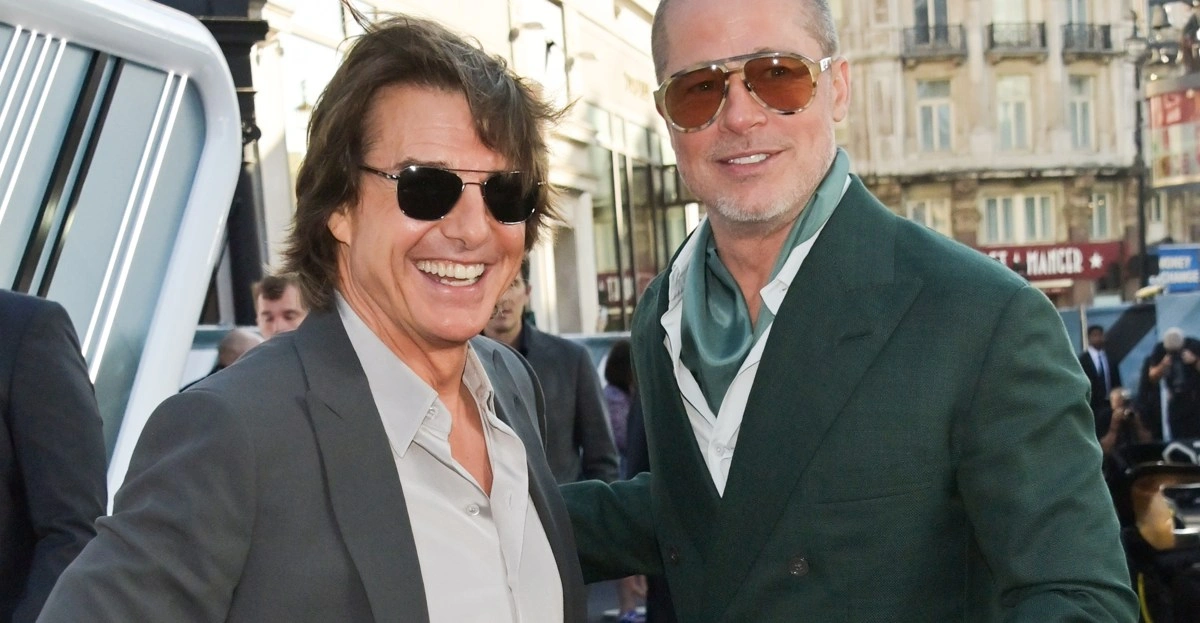
Hollywood's biggest studios are up in arms, and ByteDance is listening. After Netflix, Disney, Warner Bros, and Paramount fired off cease-and-desist letters accusing the company's Seedance 2.0 AI video generator of rampant copyright infringement, ByteDance has committed to bolstering its safeguards. The controversy erupted when users generated videos featuring protected characters from Marvel, DC, Stranger Things, and Kpop Demon Hunters, alongside likenesses of stars like Brad Pitt and Tom Cruise, without permission.
Seedance 2.0, launched on February 12, quickly went viral with a clip of Pitt and Cruise battling on a bridgesparking outrage just before the update. ByteDance, the parent of TikTok, acknowledged the issues in a statement to Deadline on February 16, affirming its respect for intellectual property rights and promising steps to prevent unauthorized use of IPs and likenesses by users. This response comes amid broader industry fears that generative AI tools like Seedance could undermine creative control and revenue streams.
Hollywood's Fierce Pushback
Netflix led the charge on February 17 with a strongly worded cease-and-desist letter, refusing to let ByteDance treat their IP as 'free, public domain clip art.' The studio highlighted unauthorized depictions of characters from multiple properties, including the main trio from Kpop Demon Hunters. Disney, Warner Bros, and Paramount echoed this sentiment, labeling the actions as 'blatant infringement' and a 'virtual smash-and-grab' of their franchises.
Even SAG-AFTRA weighed in, deeming the use of Pitt and Cruise's likenesses 'unacceptable.' These collective actions underscore a growing tension between AI innovation and traditional media protections, with studios vowing not to stand by idly. The rapid escalation from viral videos to legal threats illustrates how quickly AI-generated content can proliferate on platforms like TikTok, amplifying the stakes.
ByteDance's Technical Response and Safeguard Upgrades
ByteDance's pledge focuses on strengthening existing safeguards within Seedance 2.0, the latest iteration of its generative AI video tool. Currently, the model allows users to input text prompts that produce high-fidelity videos, but lacks robust pre-generation filters to detect and block copyrighted elements. The company plans to integrate advanced detection mechanisms, likely leveraging content recognition algorithms trained on licensed datasets to flag prompts referencing known IPs.
This could involve real-time hashing of input descriptions against databases of protected characters, actors, and scenes, combined with post-generation watermarking for traceability. For instance, when a user prompts a 'Marvel hero vs DC villain' scenario, the system would cross-reference against studio registries and halt rendering. ByteDance's engineering teams are reportedly accelerating these updates to balance user creativity with legal compliance, drawing from similar filters in tools like Midjourney or DALL-E.
Implications for AI Video Generation
The Seedance saga highlights vulnerabilities in open-access AI generators, where minimal guardrails enable IP misuse at scale. Unlike closed ecosystems, ByteDance's tool ties into TikTok's vast user base, potentially flooding feeds with infringing content. Strengthening safeguards might include user education on prompt crafting, tiered access for verified creators, and partnerships with rights holders for whitelisting.
Long-term, this could set precedents for AI liability, pushing developers toward 'opt-in' IP libraries or blockchain-verified content origins. Hollywood's united front signals a shift: studios are no longer passive observers but active enforcers, potentially leading to industry-wide standards for generative media.
My Take
ByteDance's swift response is a smart pivot, but true resolution demands proactive, transparent audits of Seedance's training data to excise unlicensed Hollywood scraps. If they nail robust, AI-powered IP detection without stifling innovation, TikTok's parent could lead ethical video genturning crisis into competitive edge. Watch for lawsuits if tweaks fall short; Hollywood won't forget.
This article was written by AI from reporting by theverge.com.