The newly proposed direct-to-device joint venture between America's top three telecom giants aims to finally eliminate cellular dead zones, but it is already sparking fierce industry division. By pooling spectrum resources, AT&T, T-Mobile, and Verizon hope to deliver seamless satellite connectivity to ordinary smartphones, though competitors are raising immediate antitrust concerns. The initiative, announced on May 14, is designed to standardize the approach to space-based cellular broadband and help rural mobile network operators reduce persistent coverage gaps.
While the financial structure and operational details remain under negotiation, the alliance has drawn sharp reactions from the satellite operators tasked with powering these networks. AST SpaceMobile, which counts AT&T and Verizon as anchor partners for its upcoming satellite deployments, welcomed the collaboration. Chief Executive Officer Abel Avellan stated that the company plans to be a "key enabler of this transformation" as it expands its low Earth orbit network. Similarly, Luxembourg-based OQ Technology praised the move, noting that U.S. carrier alignment underscores the geopolitical importance of sovereign satellite broadband ecosystems.
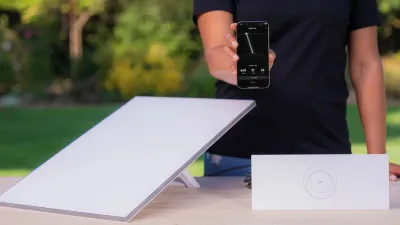
However, SpaceX, which has been operating Starlink Mobile in partnership with T-Mobile since 2025, views the mega-alliance with deep skepticism. SpaceX leadership quickly framed the three-way carrier partnership as a monopolistic threat to their early market lead.
I guess Starlink Mobile is doing something right! It’s David and Goliath all over again - I’m bettin’ on David.
- Gwynne Shotwell, President and COO, SpaceX
Backing up this sentiment, SpaceX Vice President of Satellite Policy David Goldman publicly questioned whether the Department of Justice would even allow the tie-up, pointing to severe collusion concerns. Because the joint venture would act as a wholesale intermediary rather than holding its own spectrum licenses, regulators may scrutinize how it impacts pricing and competition in the emerging space-to-mobile sector.
The Real Reason Behind the Mega-Alliance
Despite the ambitious messaging, this direct-to-device joint venture reveals a hard truth about the current state of satellite connectivity: early adoption has been underwhelming. According to analysts at Raymond James, existing technology combinations for space-based cellular service have resulted in disappointing customer uptake and usage. By combining forces, AT&T, T-Mobile, and Verizon are essentially admitting that no single carrier has the ultimate solution to make satellite-to-smartphone connections economically viable on their own.
If approved by the DOJ, this joint venture will likely operate as a massive marketing and wholesale agent, linking smaller wireless providers with satellite operators to service high-cost, hard-to-reach dead zones. However, the regulatory battle ahead will be brutal. SpaceX has a vested interest in keeping the carriers fragmented to maintain Starlink's dominance. If the government views this spectrum-pooling agreement as an anti-competitive cartel, the carriers will be forced back to square one, leaving rural users waiting even longer for ubiquitous coverage.
This article was written by AI from reporting by spacenews.com.