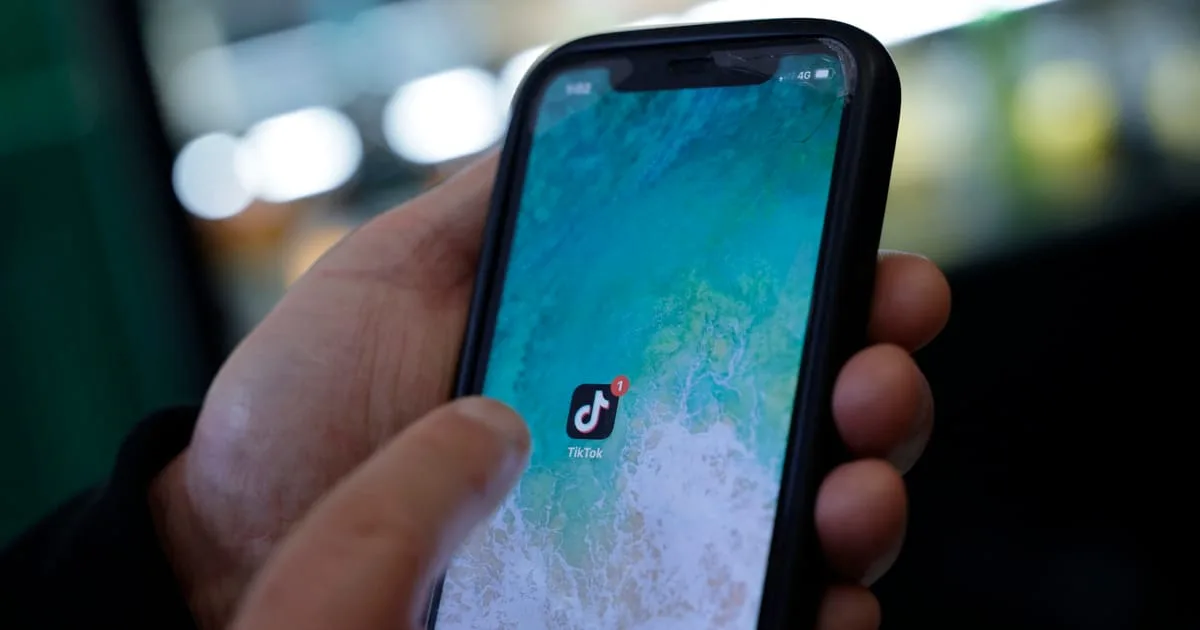
The European Commission is facing internal friction over its ongoing TikTok ban, with some officials warning that the absence of an official presence is ceding critical ground to foreign influence. While the EU maintains its block over data protection and cybersecurity concerns, the platform's dominance among young Europeans is sparking a debate about the cost of staying offline. The core of the disagreement centers on how to effectively reach younger demographics in an increasingly fragmented digital landscape.
According to internal sources, there is growing frustration within some commissioners' cabinets that Brussels is missing from a platform where young citizens increasingly consume news. One official pointed out that foreign actors, such as Russia, have no hesitation in using these social media platforms to shape European public opinion, making the Commission's absence a strategic vulnerability. Despite these concerns, the Commission's policy shows little sign of shifting in the immediate future.
Dana Spinant, the Commission’s director-general for communications, reportedly opposes the creation of an official TikTok account. Instead, the EU executive body is leaning heavily into YouTube, a U.S.-based platform where it has already amassed over 500,000 subscribers. Addressing the ongoing internal debate, the Commission stated, "We follow the evolution of the platform, in particular the status of developments regarding data protection and cybersecurity concerns."
The debate highlights a strategic paradox as President Ursula von der Leyen seeks to expand the EU's digital reach. For her upcoming State of the Union speech, von der Leyen is inviting digital influencers - including those who actively share content on TikTok. One official noted the irony of the Commission relying on influencers to broadcast its message on a platform it officially refuses to join.
The Cost of Digital Isolation
The European Commission's hesitation highlights a classic modern governance dilemma: balancing strict cybersecurity protocols with the reality of digital real estate. By outsourcing its TikTok presence to independent influencers, the EU is attempting a proxy strategy that mitigates data risks but sacrifices direct narrative control.
If foreign state actors continue to dominate the algorithmic feeds of young Europeans, the Commission may soon find that the political cost of digital isolation outweighs the cybersecurity risks of maintaining an official account. Relying solely on YouTube's older demographic base leaves a critical blind spot in Europe's defense against digital misinformation.
This article was written by AI from reporting by politico.eu.