SpaceX is fundamentally redefining global logistics with its Starfall mission, transforming rockets from exploration vehicles into ultrafast cargo couriers. For defense sectors, medical emergency responders, and aerospace investors, this shift promises to cut global transportation times from days to mere minutes.
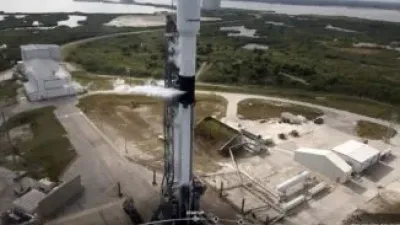
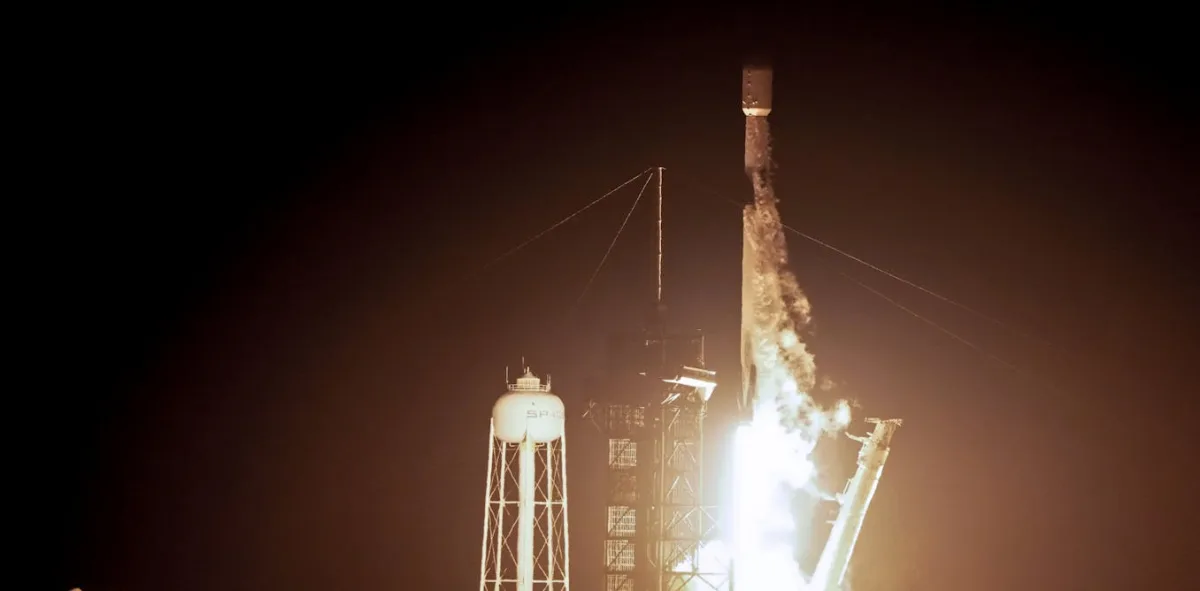
Launched on June 23, 2026, the Starfall demo mission represents a critical pivot in orbital mechanics. According to Federal Aviation Administration documents, the initiative serves a dual mandate: enabling point-to-point rocket delivery across the Earth and facilitating rapid cargo transport to and from orbit.
The Microgravity Manufacturing Boom
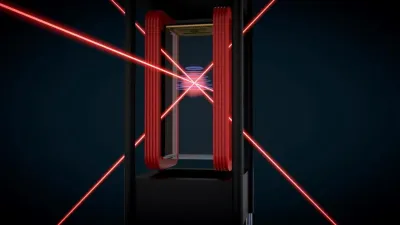
Beyond Earth-to-Earth logistics, the SpaceX Starfall mission is laying the infrastructure for an emerging space economy. Companies are increasingly looking to leverage microgravity and the vacuum of space for in-space manufacturing.
These unique conditions are ideal for developing specialized proteins, advanced pharmaceuticals, and next-generation semiconductors that are nearly impossible to produce on Earth. While SpaceX already delivers cargo and crew to the International Space Station, the Starfall model requires a radical departure from traditional operations.
Unlike ISS resupply missions that rely on long-term, periodic schedules, this new orbital cargo network demands on-demand launch capabilities with minimal advance warning. It offers a new option for ultrafast emergency transport, distinct from commercial passenger efforts like the retired Concorde supersonic jet.
Overcoming the High-G Bottleneck
Despite the promise of ultrafast emergency transport for disaster relief or critical medical supplies, the physical realities of spaceflight present severe hurdles. Because orbital transport requires overcoming Earth’s gravity, payloads are subjected to extreme vibrations and high-G forces during ascent and reentry.
Delicate electronics and volatile medical supplies will require specialized shock-absorbing casings to survive the journey. Furthermore, as outlined in the Systems engineering framework, the success of this network hinges heavily on ground logistics.
Engineers must seamlessly integrate launch and landing sites with existing truck and ship networks. If these early planning decisions are mishandled, the precious time saved during the orbital flight will be entirely lost during the unloading phase.
The "Last Mile" Space Problem
The true test for SpaceX’s orbital cargo ambitions won't be the rocket technology itself, but rather the terrestrial logistics that follow touchdown. While a Falcon 9 might cross the globe in 45 minutes, that unprecedented speed is entirely negated if it takes six hours to safely extract, inspect, and truck a volatile medical payload from a remote landing pad to a hospital.
To make point-to-point delivery viable for the defense and medical sectors, SpaceX will likely need to develop automated, high-speed payload extraction systems that interface directly with autonomous ground transport. Until the "last mile" of space delivery matches the efficiency of the flight itself, Starfall will remain a brilliant aerospace achievement waiting for a practical supply chain.