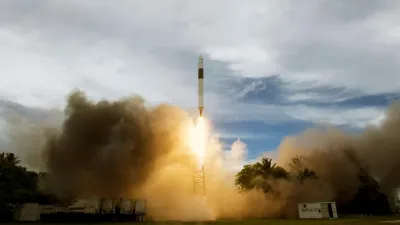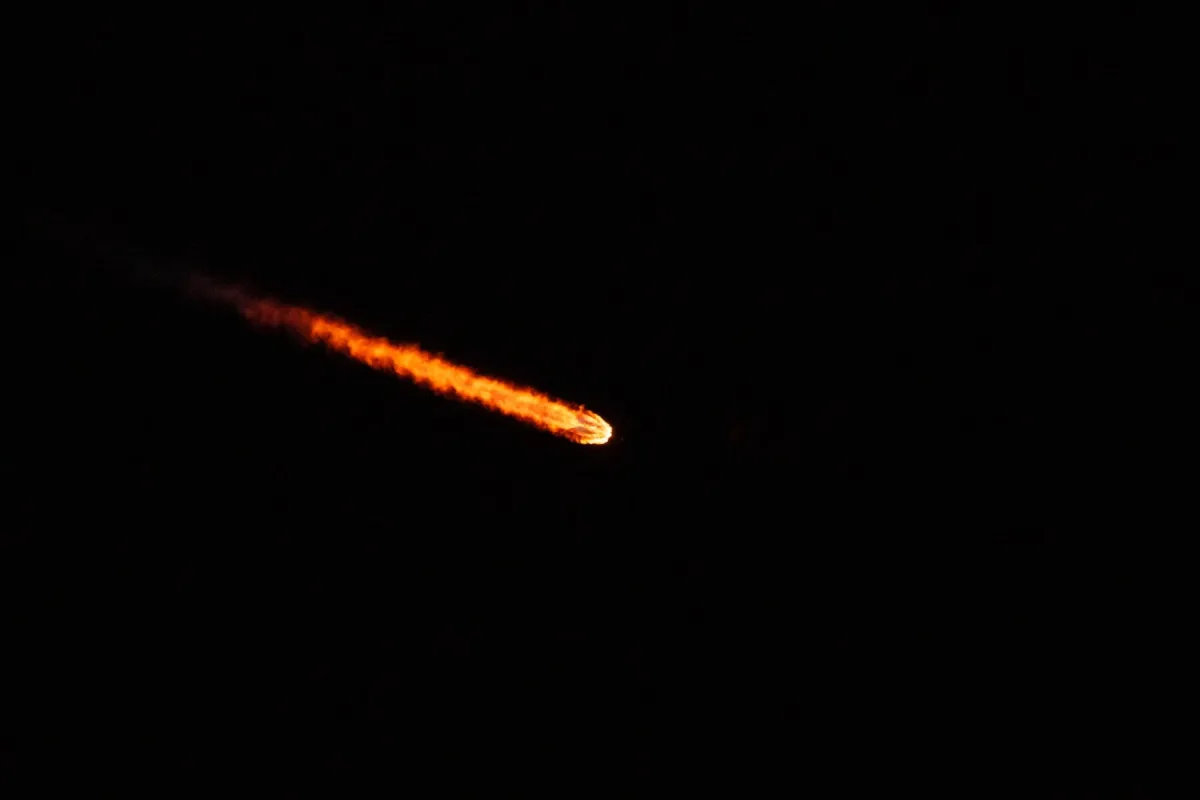
At 04:01 UTC on August 19, 2026, a Falcon 9 rocket lifted off from California, carrying 24 new Starlink satellites into space. This deployment officially pushed SpaceX’s broadband constellation past a staggering threshold, with more than 11,000 Starlink satellites in orbit around Earth.
The scale of this single commercial network is unprecedented. According to recent tracking data, Starlink now represents roughly two-thirds of all active satellites globally. This concentration of orbital infrastructure has arrived with startling speed, considering the first full batch launched in May 2019 when fewer than 2,000 active satellites of any kind existed in orbit.
The Math Behind the Milestone
The launch that crossed the 11,000 mark, designated as the Starlink Group 17-50 mission, lifted off from Space Launch Complex 4 East at Vandenberg Space Force Base. The 24 spacecraft were scheduled to separate from the Falcon 9 upper stage approximately 61.5 minutes after launch.
This marked SpaceX’s 100th mission of 2026 and its 97th Falcon 9 flight of the year. The first-stage booster, B1097, successfully completed its 12th flight, landing on the drone ship Of Course I Still Love You roughly eight and a half minutes after liftoff.
The exact threshold can be reconstructed from recent public counts and independent trackers like Jonathan McDowell. The progression over August 2026 unfolded rapidly:
- Pre-August 11 Baseline: Trackers recorded 10,939 Starlinks in orbit.
- Starlink 10-19 Mission: Added 29 satellites on August 11.
- Starlink Group 17-49: Added 24 satellites on August 12.
- Starlink Group 17-50: Added 24 satellites on August 19, bringing the raw mathematical total to 11,016.
However, the true live count fluctuates. Older satellites regularly reenter the atmosphere, and trackers constantly revise classifications. Furthermore, there is a strict distinction between satellites that are physically in orbit and those that are operational. Newly deployed spacecraft begin in a lower orbit and must use onboard propulsion to reach their assigned planes before joining the active network.
Defining the Two-Thirds Majority
The clearest denominator for SpaceX's market share comes from Look Up’s second-quarter space index, published in June 2026. At that time, the index counted 15,711 active satellites, with 10,365 belonging to Starlink. This gave SpaceX a 65.97 percent share of the active total.
While both SpaceX and competitors like China and Amazon Leo have launched additional spacecraft since June, the roughly two-thirds metric remains the most accurate description of the current orbital landscape. This figure strictly compares active payloads, excluding rocket bodies, debris, and decommissioned satellites.
The De Facto Regulator of Low Earth Orbit
The sheer volume of Starlink hardware fundamentally alters the operational reality for every other entity in space. When one company controls over 11,000 physical spacecraft, its internal corporate policies regarding collision avoidance, altitude management, and satellite disposal effectively become the default traffic laws for low Earth orbit (LEO).
This creates a unique geopolitical and regulatory bottleneck. Astronomers are already forced to work around the bright trails and radio transmissions of a continuously refreshed network. As SpaceX maintains its aggressive launch cadence to replace older units and expand coverage, the burden of coordinating maneuvers and screening conjunctions falls heavily on a system dominated by a single commercial actor. The 11,000 milestone is not just a technical achievement; it is a permanent shift in who dictates the safety and sustainability of Earth's orbital environment.