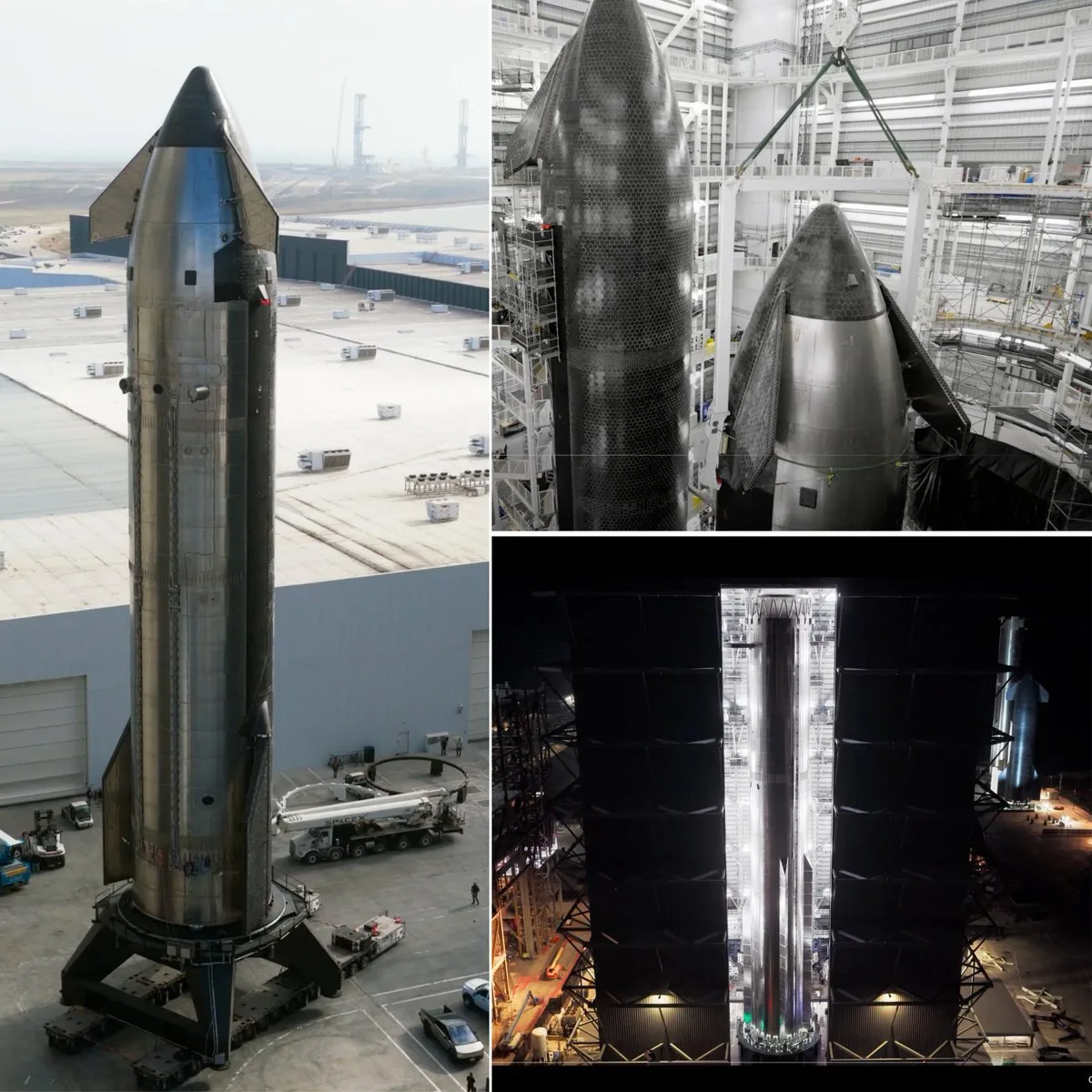
SpaceX is preparing to catch its Starship rocket using the launch tower within the next few months, setting the stage for the vehicle's first rapid reflight by late 2026 or early 2027. This accelerated timeline coincides with a sweeping new National Space Transportation Policy designed to accommodate over 1,000 annual orbital launches and reentries by the end of the decade.
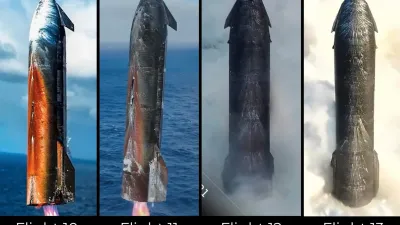
According to CEO Elon Musk, recent offshore landing tests demonstrated enough precision that the booster would have been successfully caught had a physical tower been present at sea. The upcoming mechanical catch attempt represents a critical milestone for full rapid reusability. Musk noted that achieving this turnaround marks a definitive shift for interplanetary travel.
Looks like we will probably catch the ship with the tower in a few months. If there had been a tower out to sea where we practiced landing the ship, it would have been caught. First reflight of the ship will be either end of this year or early next. That will be a fork in the road of history for consciousness reaching the stars.
- Elon Musk, CEO, SpaceX (August 20, 2026)
To support this exponential increase in cadence, the newly signed National Security Presidential Memorandum overhauls federal airspace and range allocation. The updated policy explicitly expands the definition of space transportation to cover in-space operations and reentry. This regulatory shift unlocks reverse logistics and commercial orbital markets.
By establishing priority airspace corridors, the government aims to streamline the bureaucracy that has historically bottlenecked high-frequency launch schedules. The directive heavily leans on a commercial-first approach to meet aggressive lunar timelines. It mandates the regulatory framework necessary to return Americans to the Moon by 2028 and establish the initial elements of a permanent Moon Base by 2030.
Furthermore, the policy emphasizes rapid, resilient launch capabilities tailored for national security. This reflects a 10-fold surge in successful U.S. orbital missions over the past 13 years, growing from just 19 successful launches to current unprecedented levels.
The Regulatory Catch Up to Super Heavy Lift
While the mechanical spectacle of catching a 71-meter Super Heavy booster with mechanical arms dominates the public focus, the new National Space Transportation Policy is the actual engine of this timeline. SpaceX cannot achieve airline-like operations if it has to negotiate airspace closures for every single flight.
By legally defining reentry and in-space operations as standard transportation, the government is finally shifting from treating rocket launches as bespoke experimental events to managing them like commercial aviation. If the 1,000-launch target by 2030 holds, the bottleneck will no longer be federal approvals, but rather the physical manufacturing of payloads to fill that unprecedented cargo volume.