The latest developer betas for iOS 27 and macOS Golden Gate are proving highly unstable, with Siri AI showing flashes of brilliance mixed with frustrating inconsistencies. While early adopters are eager to test Apple's next-generation features, experts are warning users to steer clear of the current beta cycle. For developers and power users, this instability highlights the growing pains of integrating advanced artificial intelligence deeply into Apple's operating systems, directly impacting daily workflows.
According to the latest discussions on the Apple Podcasts network via AppleInsider, testers are experiencing wildly different bugs even when using similar devices in identical ways. While Siri AI is described as superb when functioning correctly, its current unreliability makes it a liability for daily use. The beta cycle extends across the ecosystem, with reports indicating that the macOS Golden Gate beta feels empty without Siri AI fully operational.
Meanwhile, developers are seeing some bright spots in the broader software ecosystem. Testers note that Apple's AI agents in Xcode 27 are making vibe coding significantly easier. Additionally, the new Game Porting Toolkit 4 is proving highly effective for running modern games on Mac hardware.
Conflicting iPhone Fold Timelines and Hardware Upgrades
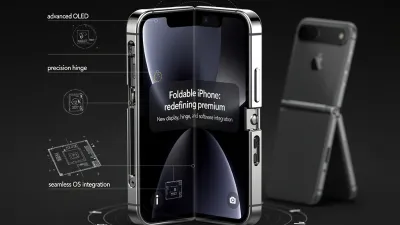
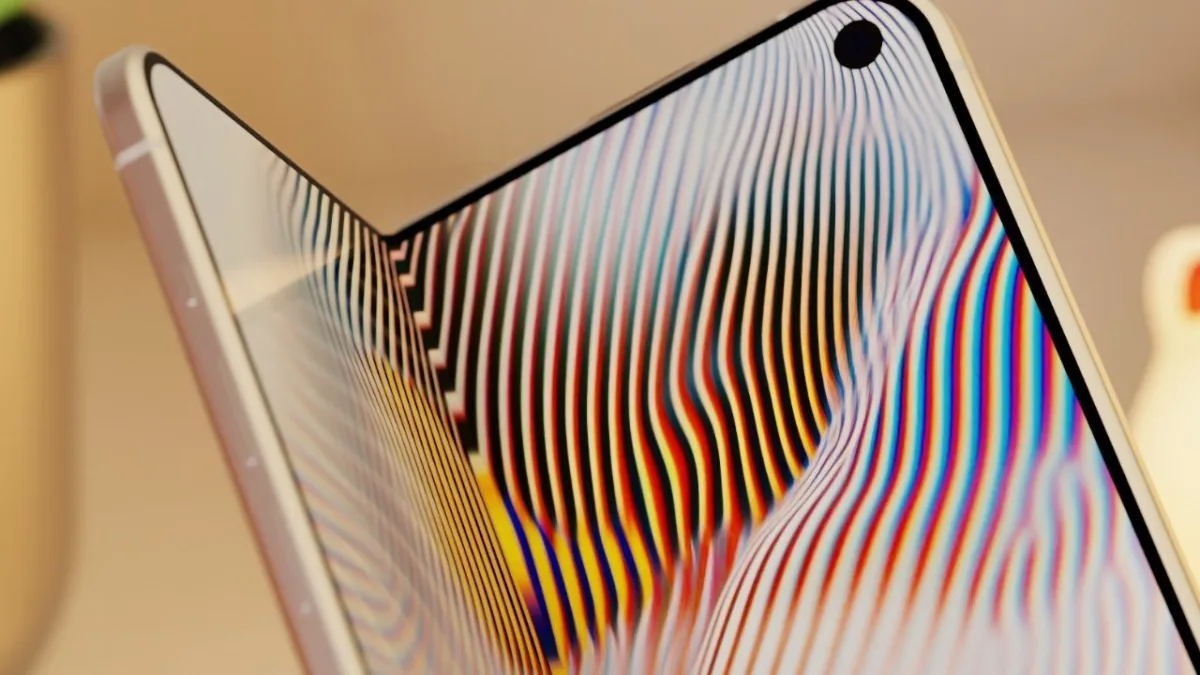
The hardware rumor mill is accelerating, with conflicting supply chain reports regarding Apple's highly anticipated foldable device. While some strident leakers insist the iPhone Fold is on track, other supply chain sources claim the device has been delayed and will ship in 2027 rather than 2026. This timeline suggests that Apple's 20th anniversary for the smartphone could be marked by the release of an iPhone Fold 2.
Beyond the foldable market, Apple's standard lineup is also seeing massive projected shifts. Key hardware rumors include:
- iPhone Air Successor: A new iPhone Air 2 featuring a dual-camera system is rumored for a spring 2027 release.
- Massive RAM Upgrades: The upcoming iPhone 18 will reportedly feature 12GB of RAM specifically to fully benefit from on-device Siri AI processing.
- Price Hikes: Apple CEO Tim Cook has reportedly indicated that Apple products are going to get more expensive, likely driven by these intensive hardware requirements.
Snap Spectacles and AR Struggles
Outside of the Apple ecosystem, the augmented reality space continues to face design hurdles. Snap recently released its new standalone Snap Spectacles, but early impressions suggest the company built the AR glasses without providing a convincing reason to wear them. Reviewers noted that the glasses still look poor unless viewed from specific angles and in optimal lighting.
In the same mixed-reality sector, Apple's own visionOS 27 beta reportedly fails to address the Apple Vision Pro's biggest underlying problems. However, testers acknowledge that incremental progress is being made on the platform.
The Hardware Cost of On-Device AI
The struggles with the iOS 27 beta and the rumored specifications for the iPhone 18 reveal a clear trajectory for Apple's ecosystem: on-device AI is incredibly resource-intensive. The fact that Apple is reportedly pushing the iPhone 18 to 12GB of RAM just to handle Siri AI proves that the current hardware baseline is insufficient for the generative AI era. This directly contextualizes Tim Cook's warning about rising product prices; advanced AI requires massive memory bandwidth and larger silicon footprints.
Furthermore, the conflicting 2027 timelines for the iPhone Fold and the iPhone Air successor suggest a strategic pivot. Apple appears to be prioritizing its internal AI software rollout over experimental hardware form factors, ensuring the software foundation is stable before introducing entirely new device categories to the market.