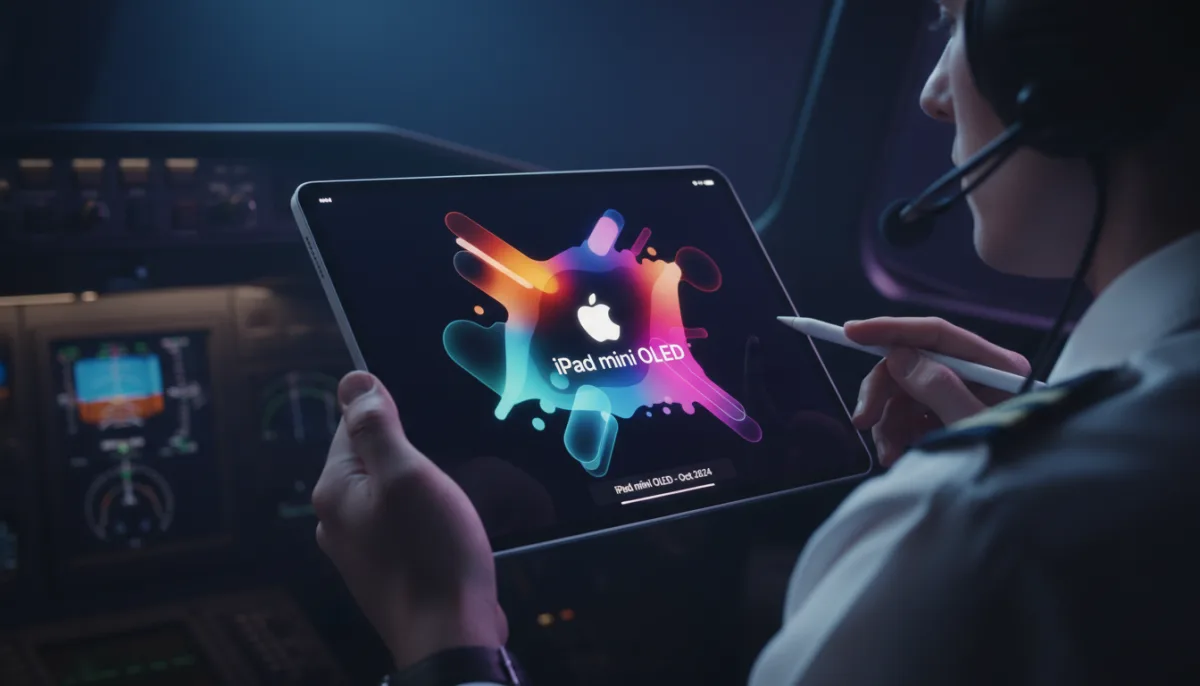
Apple is preparing to give its smallest tablet a massive visual overhaul, with an OLED iPad mini reportedly slated for an October release. According to a new report from Bloomberg, the device, internally codenamed J510, could be unveiled as early as this fall. This shift to an OLED panel represents the most significant hardware upgrade for the compact tablet since its major redesign in 2021.
The transition to OLED will finally bring the iPad mini in line with Apple's premium display standards, a technology the company has utilized on the iPhone since 2017 and recently introduced to the iPad Pro in 2024. The current model relies on an 8.3-inch LCD screen, meaning the upcoming display swap will deliver a much more noticeable improvement in contrast and color accuracy than the routine processor refresh the tablet received earlier this year.
However, this premium display technology will likely impact the consumer's wallet. Apple already raised the starting price of the current iPad mini by $100 last month, bringing it to $599. Because OLED panels are inherently more expensive to manufacture than their LCD counterparts, buyers should brace for the possibility of another price adjustment.
The 2027 Tablet Roadmap
Beyond the immediate future of the mini, Apple is also laying the groundwork for its broader tablet lineup in 2027. A refreshed entry-level iPad, operating under the codename J581, is expected to arrive as early as the first quarter of that year featuring a faster processor.
Following that release, Apple is reportedly on track to launch new 11-inch and 13-inch iPad Air models in the spring of 2027. These updates suggest a deliberate, staggered approach to refreshing the lower and middle tiers of the iPad family over the next few years.
The Foldable iPhone Overlap
Interestingly, the new OLED iPad mini might eventually face unexpected competition from within Apple's own ecosystem. The company's long-rumored foldable iPhone is projected to feature a roughly 7.8-inch display when fully opened, placing it dangerously close to the mini's 8.3-inch footprint.
Despite the similar screen real estate, the target audiences will likely remain distinct due to a massive gap in pricing. The foldable iPhone is expected to command a price tag of more than $2,000, placing the two devices in entirely different financial brackets.
The Premium Squeeze on Compact Tablets
Apple's decision to bring OLED to the iPad mini highlights a fascinating gap in the broader tech market: the complete absence of premium, compact Android tablets. While Android manufacturers flood the market with massive 12-inch screens or cheap 8-inch budget devices, Apple is effectively monopolizing the high-end compact space. By upgrading the display, Apple is cementing the mini as a specialized tool for pilots, medical professionals, and mobile gamers who demand top-tier specs in a one-handed form factor.
However, the pricing trajectory is a genuine risk. Pushing the base price past the current $599 mark threatens to alienate the casual readers and students who originally championed the device. If the OLED iPad mini creeps closer to the $700 territory, it will force consumers into a difficult choice between ultimate portability and the much larger, highly capable iPad Air.
This article was written by AI from reporting by androidauthority.com.