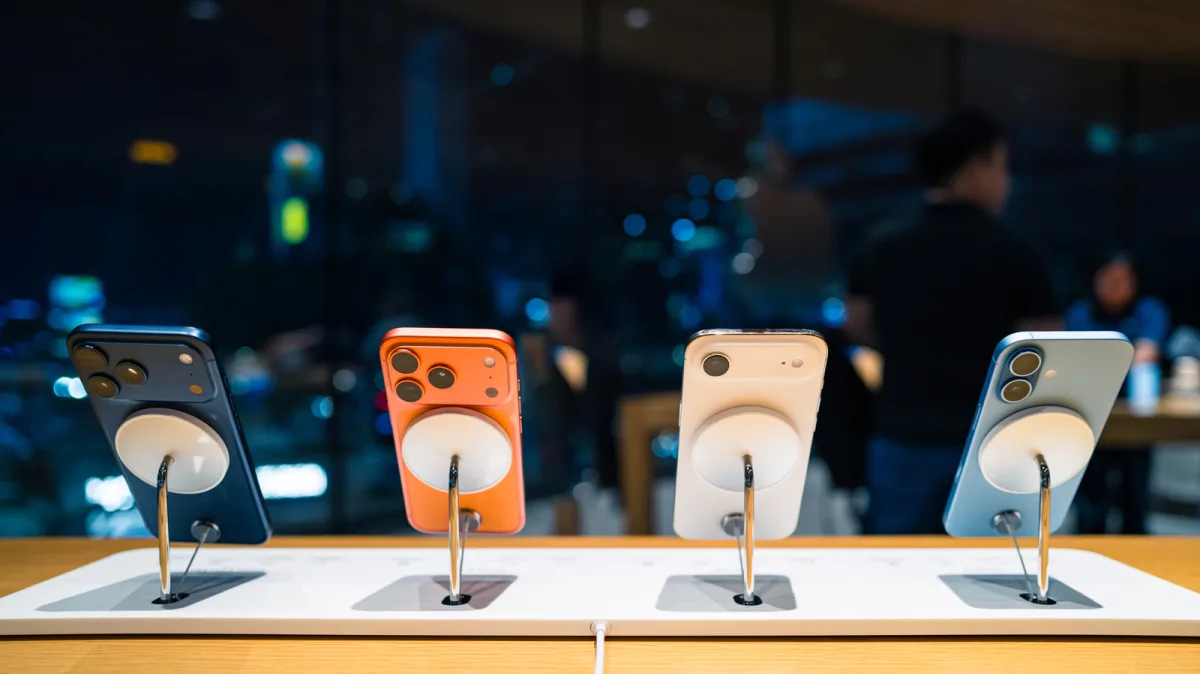
Buying the new iPhone 17 or iPhone 17 Pro Max involves a critical financial decision that goes far beyond the initial sticker price. Choosing between an unlocked device directly from Apple or a subsidized model from a major carrier dictates your cellular flexibility, monthly budget, and upgrade cycle for years to come. With the base iPhone 17 now boasting a 6.3-inch screen, an 18-megapixel front camera, 27 hours of video playback, and the ability to fast-charge to 50% in 20 minutes using a 40W adapter, the hardware warrants the upgrade. However, how you finance that hardware requires careful navigation.
For users who prefer to pay upfront, the math is straightforward. You can purchase the 128GB iPhone 16 for $699, or go all out on the 2TB iPhone 17 Pro Max for a staggering $1,999. Buying directly from Apple ensures the device is completely unlocked from day one. This is the optimal route for frequent international travelers who need to swap physical SIM cards or download local eSIM profiles on the fly. It also empowers you to pair your premium device with a budget-friendly prepaid plan, avoiding the high monthly fees associated with major telecom contracts.
The Carrier Trap: 36-Month Lock-Ins
Major U.S. carriers like AT&T, T-Mobile, Verizon, and Boost Mobile frequently advertise "free" iPhones or massive trade-in discounts. While these deals seem lucrative, they are structured to keep you tethered to their ecosystem. The discount is almost always applied as monthly bill credits spread across a strict 36-month lock-in period.
- Premium Plan Requirements: To qualify for the best carrier promotions, you are typically forced to subscribe to top-tier unlimited plans, which can cost between $75 and $100 per month for a single line.
- Network Locking: Devices purchased through carrier installments are locked to that specific network until the phone is fully paid off. According to Apple, you will even receive a locked device directly from the Apple Store if you choose one of AT&T's specific installment plans.
- Early Upgrade Penalties: If you decide to upgrade to a newer iPhone after just one or two years, you forfeit the remaining promotional bill credits and must pay off the outstanding balance of the device in one lump sum.
How to Use Apple's iPhone Upgrade Program
If you have the desire to consistently upgrade to the latest hardware every year but do not want to be trapped by a carrier, Apple's iPhone Upgrade Program is the most efficient alternative. This method provides an unlocked device and bundles mandatory device protection.
- Apply for the 24-month zero-percent interest loan through Apple. This ensures your payments go directly toward the hardware without carrier-imposed service fees.
- Select your preferred iPhone model and include the mandatory AppleCare+ with Theft and Loss coverage. This enables comprehensive hardware protection, ensuring you are covered if the device is damaged or stolen during your loan period.
- Complete 12 consecutive monthly payments on your current device. This achieves your eligibility threshold, allowing you to trade the phone in for the next generation.
- Trade in your current iPhone in good working condition to close out the existing loan. This enables you to immediately start a new 24-month cycle with the latest iPhone model without paying off the old balance.
The Illusion of the Free Smartphone
The telecom industry has masterfully disguised 36-month financing contracts as generous hardware discounts. When you analyze the total cost of ownership, the "free" carrier iPhone is often the most expensive route. If a carrier requires you to maintain a $90 monthly premium plan for 36 months to get a $999 iPhone 17 for "free," your total out-of-pocket cost over three years is $3,240. In contrast, buying that same unlocked iPhone 17 outright from Apple and pairing it with a robust $40 prepaid plan costs $2,439 over the same period - saving you over $800.
Furthermore, the 36-month carrier cycle is fundamentally misaligned with Apple's aggressive annual release schedule and the rapid advancement of on-device AI features. Locking yourself into a three-year contract means you will inevitably watch two subsequent generations of iPhones launch while you are still paying off your current device. Unless you are part of a massive family plan where the per-line cost of a premium tier drops significantly, buying an unlocked device directly from Apple remains the smartest financial strategy for tech-forward consumers.