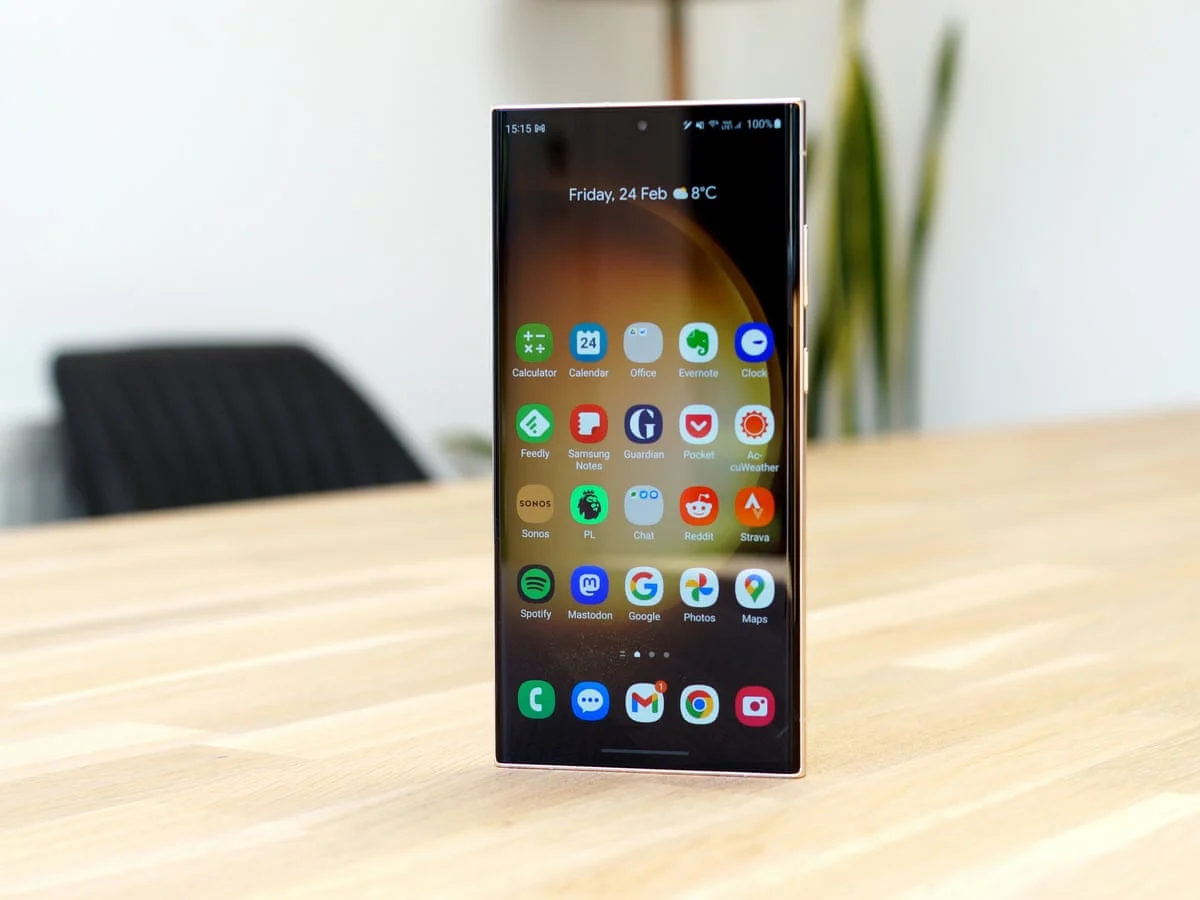
Switching from a Google Pixel to the Samsung Galaxy S23 Ultra reveals surprising software advantages and hardware longevity in 2026. After a stolen Pixel 7 Pro forced a daily-driver change, a deep dive into Samsung's aging but capable flagship highlights the stark contrasts between One UI and Google's Android experience. For Android enthusiasts and power users, this transition exposes exactly where Samsung continues to lead the market and where Google's software remains unmatched.
The transition to the Galaxy S23 Ultra was smoothed by One UI features that mirror Pixel capabilities, such as on-device call transcriptions and a native recorder app. Samsung's flagship also matches Google's AI suite with webpage summaries, real-time call translation, and generative photo editing. While newer models like the Galaxy S25 FE and Galaxy Z Flip 7 FE are available, setting up the older S23 Ultra for financial apps and work tools proved its enduring viability as a primary device.
Samsung distinguishes itself with unique quality-of-life additions like Modes and Routines, the Now Brief/Now Bar, Dual Messenger, and stacked widgets. Smaller touches, including one-time passwords for hotspots, temporary mute, and power-off verification, give One UI a distinct edge over Google's software. Furthermore, Samsung's Good Lock customization suite remains a standout, particularly the per-app volume controls via Sound Assistant and the Quick Tap Shutter in Camera Assistant.
Under the hood, the Snapdragon 8 Gen 2 for Galaxy chip continues to handle demanding games and system navigation flawlessly in 2026. It even outpaces the upcoming Pixel 10 series in advanced emulation tasks. Battery longevity is another major win, with the S23 Ultra easily lasting 1.5 days on a single charge. Notably, the Samsung device is rated for 2,000 charging cycles before degrading to 80% capacity, doubling the 1,000-cycle certification of Google's Pixel phones.
On the camera front, the S23 Ultra's dedicated 10x telephoto lens remains highly valuable for video capture and deep zooming, despite the lower resolution of its 3x and 10x sensors compared to newer flagships. The device also supports local 8K video recording without relying on cloud-based processing like Google's Video Boost. Additionally, the pre-installed Samsung Gallery app shines with built-in tools for reflection, shadow, and object erasing, alongside specific moire removal capabilities.
However, the One UI experience is not without its flaws, primarily due to pre-installed bloatware from Samsung and Microsoft. Another significant pain point in 2026 is Samsung Dex; the recent One UI 8 upgrade rebuilt Dex on top of Android 16’s desktop mode, resulting in numerous feature downgrades compared to One UI 7. Users heavily reliant on desktop emulation might find themselves frustrated, especially since rolling back isn't an option on devices shipping with One UI 8 or One UI 8.5.
The switch also highlighted several missing Pixel-exclusive features, most notably Now Playing, which uses on-device AI to identify background music without an internet connection. The Pixel's recents menu, which allows users to copy text and images directly from any app screen, is another sorely missed utility. Furthermore, the Samsung Keyboard struggles to compete with Gboard, prompting unfavorable comparisons to outdated BlackBerry software keyboards.
While Samsung matches Google by offering seven years of OS and security updates, the actual rollout speed lags behind Pixel devices. Physically, the S23 Ultra's squared-off corners can be harsh on pockets, a design flaw thankfully corrected in more recent Ultra models. The older flagship also suffers from noticeably tinnier loudspeakers at high volumes compared to the Pixel 7 Pro.
Software & Feature Comparisons
- Google retains the edge in overall camera consistency and exclusive features like Add Me, Action Pan, and Best Take.
- Samsung counters with its own Best Take equivalent, Single Take, and an astrophotography mode accessible via the Expert Raw app.
- Google's Material 3 Expressive visual style offers a cleaner aesthetic compared to One UI.
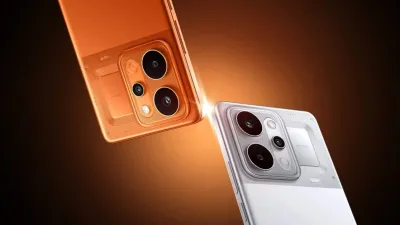
- Chinese rivals like vivo, running ColorOS or OriginOS, are increasingly preferred for specialized hardware features and product photography.
My Take
The enduring appeal of the Galaxy S23 Ultra in 2026 proves that raw hardware longevity - highlighted by its 2,000-cycle battery rating - can outweigh the allure of newer, AI-heavy releases. However, Samsung's decision to rebuild Dex on Android 16's desktop mode in One UI 8 is a strategic misstep that actively alienates power users. As Chinese competitors like vivo continue to refine Android skins like OriginOS, both Samsung and Google must prioritize hardware innovation rather than relying solely on seven-year update promises to retain their market share.
Frequently Asked Questions
Why is the Galaxy S23 Ultra battery rated higher than the Pixel?
The Galaxy S23 Ultra is certified for 2,000 charging cycles before dropping to 80% capacity, whereas Google Pixel phones are typically certified for only 1,000 cycles.
What happened to Samsung Dex in One UI 8?
Samsung rebuilt Dex using Android 16's native desktop mode for the One UI 8 update, which unfortunately introduced several feature downgrades compared to the older One UI 7 version.
Does the Galaxy S23 Ultra have Pixel-like AI features?
Yes, it includes broadly equivalent tools like on-device call transcriptions, real-time call translation, webpage summaries, and generative photo editing.
This article was written by AI from reporting by androidauthority.com.