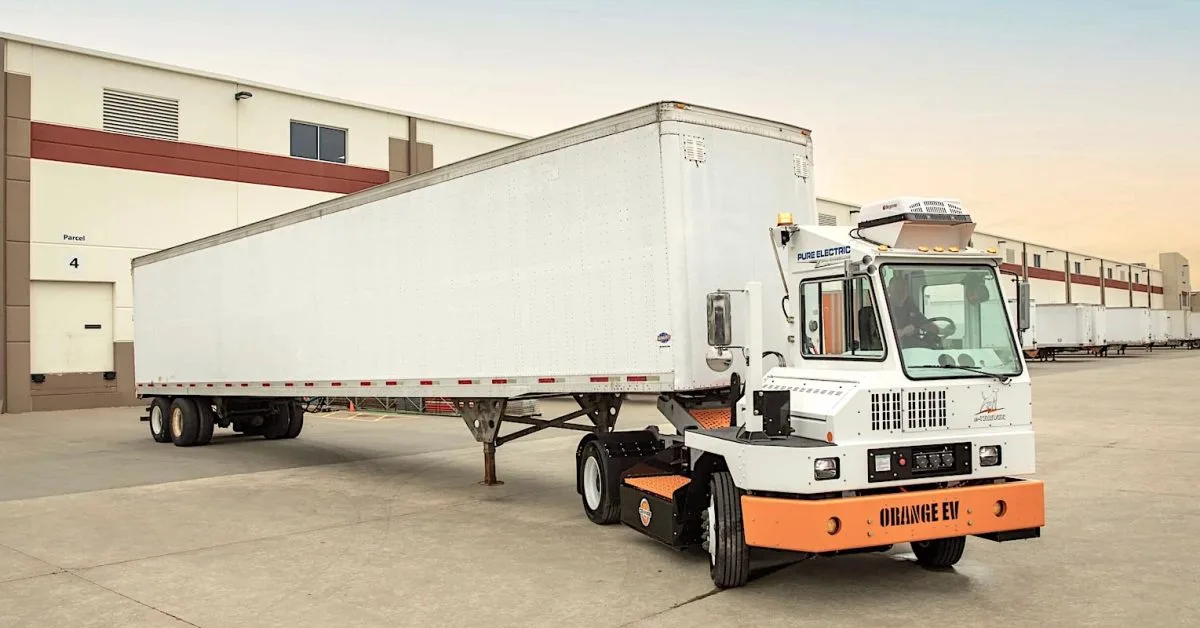
Orange EV has secured a record-breaking single order for 600 electric Class 8 terminal trucks, signaling a massive shift in heavy-duty fleet electrification. As geopolitical tensions and a closed Strait of Hormuz drive diesel prices higher, logistics companies are rapidly pivoting to battery-powered alternatives that promise substantial long-term savings.
The unnamed customer’s massive procurement highlights a broader industry trend where the math for heavy-duty electric vehicles (HDEVs) is finally outperforming traditional combustion engines. Over the past 12 months alone, new Orange EV leases have surged by 272%. This growth is driven by the proven total cost of ownership (TCO), which now makes financial sense even without federal subsidies. The 600-truck deal also bundles uptime guarantees, extended warranties, and the necessary EV charging infrastructure, with full deployment scheduled for 2026.
We have left the early adopter stage of yard electrification. We’re seeing companies invest in hundreds of trucks because total cost of ownership superiority has been proven, including uptime, reliability, fuel savings, and service guarantees.
- Kurt Neutgens, Co-founder and President, Orange EV
Since deploying its first electric terminal truck with DHL in 2015, Orange EV has delivered more than 1,900 Class 8 electric semi trucks. These vehicles have collectively logged over 33.8 million operational miles and surpassed 10 million on-hours with minimal downtime. According to Kurt Neutgens, a single electric tractor can save a fleet half a million dollars in TCO over a 10-year lifespan compared to a diesel equivalent, entirely independent of available government incentives.
The TCO Tipping Point for Heavy Freight
The sheer scale of this 600-unit order proves that the heavy-duty EV market is no longer reliant on regulatory pressure or greenwashing initiatives; it is now driven by raw economics. With diesel costs remaining volatile due to ongoing Middle Eastern conflicts, fleet operators are realizing that the upfront premium of an electric Class 8 truck is quickly offset by predictable energy costs and drastically reduced maintenance.
Furthermore, the strategy of bundling charging infrastructure and uptime guarantees directly addresses the "messy middle" anxiety that has historically paralyzed fleet managers. By guaranteeing operational reliability, manufacturers are removing the final barrier to entry, paving the way for electric terminal trucks to become the default standard in logistics yards long before long-haul electric semis achieve the same dominance.
This article was written by AI from reporting by electrek.co.