Subaru Embraces Toyota's Hybrid Expertise for 2026 Lineup
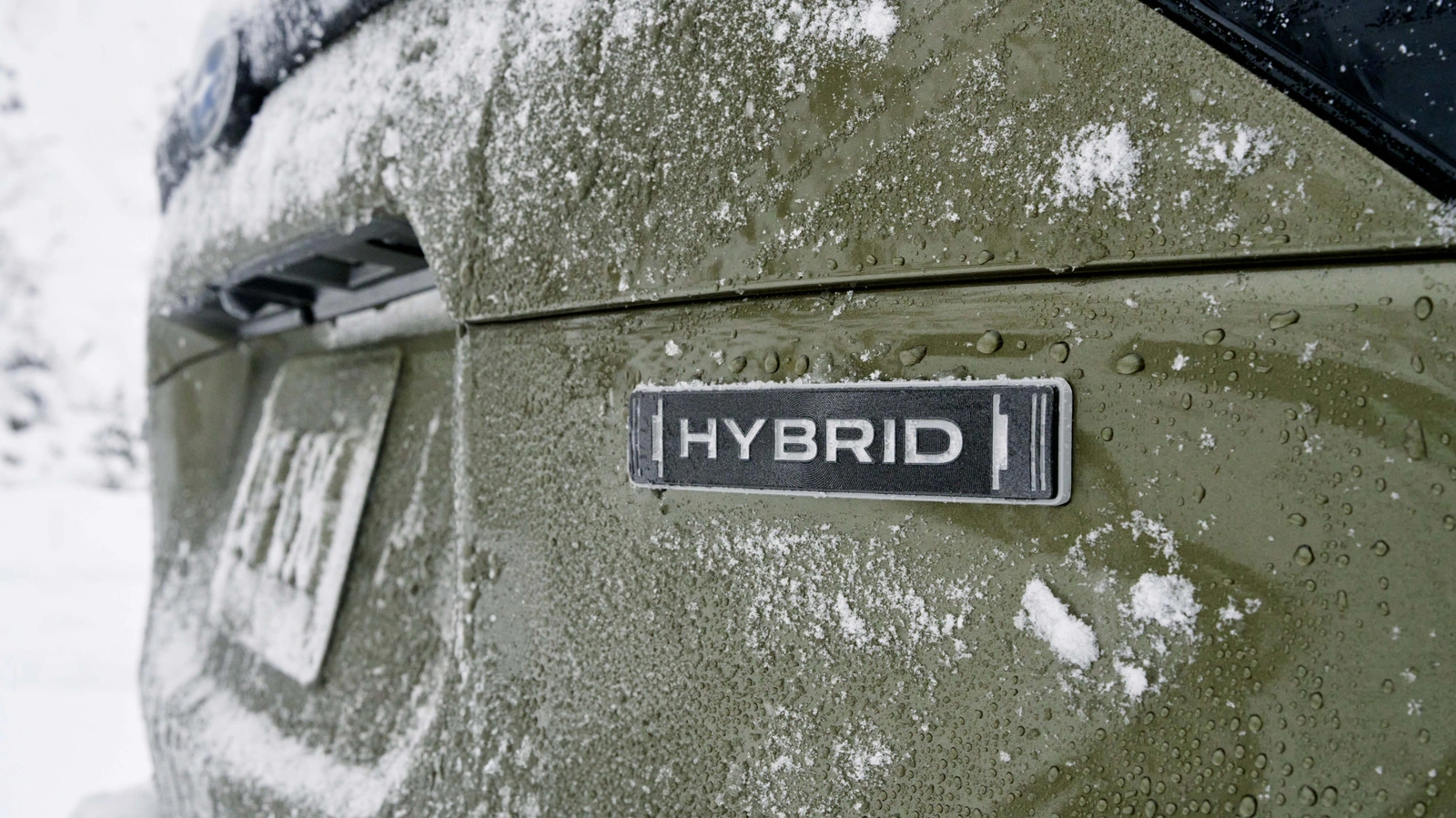
After years of cautious experimentation with hybrid technology, Subaru is making a decisive move into the mainstream hybrid market with its 2026 Crosstrek and Forester models. The key to this shift: a strategic partnership with Toyota that brings proven electric motor technology into Subaru's legendary all-wheel-drive architecture.
The collaboration represents more than a simple component swap. Subaru worked with Toyota to source critical hybrid elementsincluding electric motor units, the planetary power split unit integrated into the transmission, inverter assemblies, and battery management systems. Rather than reinventing the wheel, Subaru leveraged Toyota's three decades of hybrid leadership while maintaining the mechanical AWD system that defines its brand identity.
How the Hybrid System Works
Both the Crosstrek and Forester Hybrid employ a series-parallel hybrid architecture that intelligently switches between electric power, gasoline power, or a combination of both depending on driving conditions. At low speeds or light acceleration, the electric motor alone can propel the vehicle, reducing fuel consumption. During highway driving or towing, the gasoline engine engages seamlessly. When coasting or braking, regenerative braking captures kinetic energy to recharge the 1.1-kWh lithium-ion battery.
The system pairs a 2.5-liter flat-four boxer engine with dual electric motorsone for propulsion and one functioning as a generator. Combined output reaches 194 horsepower, a 14-horsepower increase over non-hybrid variants. Crucially, Subaru's symmetrical all-wheel-drive system remains mechanically engaged and permanent, not dependent on the hybrid system. This means drivers retain the confident grip and traction that Subaru owners expect across snow, gravel, and inclement weather.
Real-World Efficiency Gains
The 2026 Crosstrek Hybrid delivers up to 38% better city fuel economy than its gasoline counterpart, with Subaru claiming a total range of up to 597 miles per tank. MotorTrend estimates the Crosstrek will achieve approximately 42 mpg combined, a 20% improvement over the previous plug-in hybrid model. The Forester Hybrid achieves an EPA-estimated 35 mpg city and 34 mpg highway, with no loss of cargo capacity compared to the non-hybrid version.
For drivers navigating urban commutes or rural roads, this efficiency translates to fewer fill-ups and lower emissions without sacrificing the ruggedness that defines Subaru's appeal. The hybrid system adds minimal weight and complexity while delivering tangible real-world benefits.
Why This Partnership Matters
Toyota's 20% ownership stake in Subaru since 2019 has quietly reshaped both companies' product strategies. Beyond hybrids, the partnership extends to electric vehicles like the Solterra and bZ4X, and both companies announced plans in 2024 to collaborate on next-generation engines for future electrification projects. This three-way alliance with Mazda signals a fundamental shift in how Japanese automakers approach electrification.
For consumers, the partnership delivers tangible advantages: proven hybrid reliability, preserved AWD capability, and competitive pricing without the premium typically associated with hybrid technology. Subaru avoids the costly mistake of redesigning its entire drivetrain architecture, instead integrating Toyota's battle-tested components into its proven platform.
What's Next for Subaru
Industry analysts expect hybrid technology to expand across Subaru's lineup. The Outback and Ascenttwo of Subaru's most popular modelsare logical candidates for hybrid powertrains as Subaru gains operational experience. Toyota's decision to make the 2026 RAV4 hybrid-only suggests Subaru may follow a similar path, eventually phasing out non-hybrid variants of its best-sellers.
The timing is strategic. As consumers increasingly prioritize fuel efficiency and emissions reduction, Subaru's hybrid offerings arrive with genuine performance and capability advantages rather than compromises. The Crosstrek and Forester Hybrid represent Subaru's answer to competitors like the Toyota Corolla Cross Hybrid and Honda CR-V Hybridvehicles that have already proven strong market demand for efficient, capable compact SUVs.
My Take
Subaru's hybrid strategy is refreshingly pragmatic. Rather than chasing technological purity or reinventing the wheel, the company recognized that Toyota solved the hard problems decades ago. By integrating proven hybrid components while preserving the mechanical AWD system that defines Subaru's identity, the company delivers genuine value without gimmicks. For buyers who prioritize real-world capabilitysnow driving, towing, off-road confidencecombined with better fuel economy, these hybrids represent a meaningful upgrade over both non-hybrid Subarus and front-wheel-drive competitors. If execution matches the engineering promise, this partnership could establish Subaru as the go-to brand for efficiency-minded drivers who refuse to compromise on all-weather capability.
This article was written by AI from reporting by slashgear.com.