The newly discovered MacSync infostealer is actively targeting Apple computers, proving that macOS is no longer a safe haven from sophisticated malware. According to a recent report from Sophos X-Ops, attackers are utilizing a deceptive delivery method known as ClickFix to bypass built-in security measures. This campaign relies entirely on user trust rather than complex technical exploits, turning the victim into the unwitting executioner of the malicious code.
This critical security update is essential for all macOS users, particularly those who frequently download AI tools or manage cryptocurrency wallets on their devices. Understanding this specific threat enables users to recognize advanced social engineering tactics and avoid compromising their systems through seemingly harmless Terminal commands. Historically, Mac users have enjoyed a false sense of security compared to their Windows counterparts, but this attack highlights a dangerous shift in cybercriminal strategy.
The ClickFix Delivery Method
Researchers at Sophos X-Ops tracked three distinct attack campaigns operating between November 2025 and February 2026. All of these campaigns were designed to infect macOS users with the MacSync infostealer, a type of malware that quietly siphons passwords and saved credentials in the background. The ingenuity of the attack lies in its delivery mechanism, ClickFix, which requires minimal technical effort from the attackers.
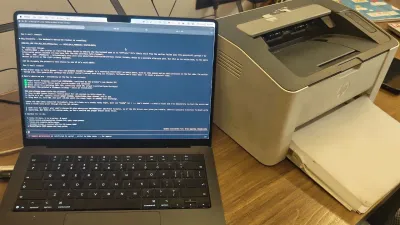
Instead of relying on software vulnerabilities, ClickFix tricks victims into manually copying and pasting a malicious command into their Mac Terminal. The Terminal is a built-in application designed to execute text-based commands, giving it deep access to the operating system. Once the user pastes the provided text and presses the Enter key, the malware is instantly deployed without triggering standard download warnings.
Fake AI Tools and Bypassing macOS Security
The threat actors initially used fake OpenAI download pages, which were heavily promoted via sponsored ads on Google to appear above legitimate search results. As the campaign evolved, the attackers became more creative, sharing fake ChatGPT conversations disguised as helpful Mac troubleshooting guides. These deceptive guides routed users to fabricated GitHub pages containing carefully crafted software installation instructions.
By December 2025, Sophos discovered that bad actors had successfully routed more than 50,000 clicks to these malicious domains. While a click indicates that a user copied the Terminal command, the actual infection count may be slightly lower depending on whether the command was executed. In February 2026, the developers updated their attack method, allowing the malware to run silently in the background and successfully bypass competent macOS security tools like Gatekeeper and XProtect.
The consequences of a successful infection are severe. The MacSync infostealer is capable of extracting highly sensitive data, including the 24-word master key for a Ledger crypto wallet. Infection clusters have been actively reported in key markets across North America, South America, and India as recently as early March 2026.
My Take
The success of the MacSync infostealer fundamentally shatters the long-held notion that Macs are inherently safe out of the box. The fact that attackers generated over 50,000 clicks by December 2025 demonstrates that human error remains the ultimate vulnerability in any operating system. As AI platforms like ChatGPT continue to gain the absolute trust of millions of users, cybercriminals are weaponizing that exact trust to bypass robust security layers like Gatekeeper.
This campaign proves that modern malware does not need to break through the front door if it can simply convince the user to hand over the keys. Moving forward, Apple may need to implement stricter warnings within the Terminal application itself when users attempt to paste complex, multi-line commands copied from web browsers. Until then, users must treat any online guide asking them to paste code into their Terminal as a severe security risk.
Frequently Asked Questions
What is the MacSync infostealer?
It is a type of macOS malware designed to quietly steal passwords, saved credentials, and sensitive data, such as the 24-word master key for cryptocurrency wallets.
How does the ClickFix method infect a Mac?
ClickFix relies on social engineering, tricking users into copying a malicious text command from a fake guide and pasting it directly into the macOS Terminal application.
Can built-in Mac security stop this malware?
As of the February 2026 update to the malware, it has been observed bypassing standard macOS security tools, including Gatekeeper and XProtect, by running silently in the background.
This article was written by AI from reporting by digitaltrends.com.