

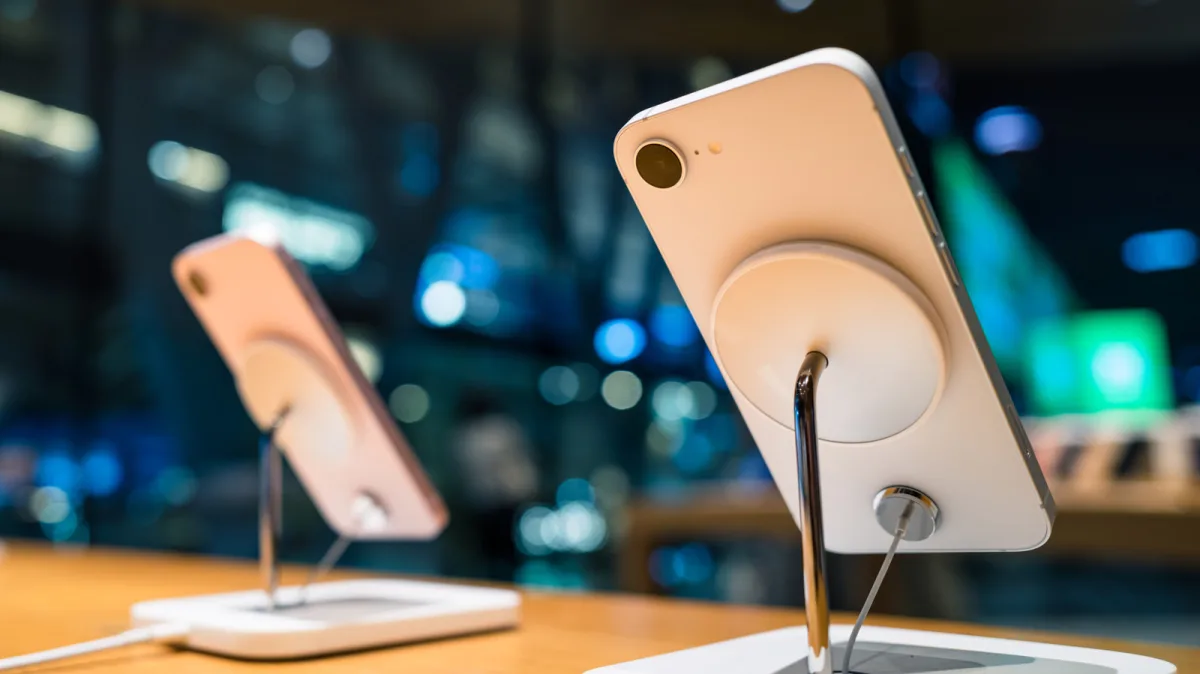
Finding the best iPhone 17e alternatives is crucial if you refuse to pay $600 for a dated 60Hz display and a single rear camera. While Apple's latest budget entry doubles the base storage and adds MagSafe, it still cuts unacceptable corners by using a binned-down A19 chip with one less GPU core and retaining the old notch design. If you are willing to step outside the iOS ecosystem, the Android market offers significantly better hardware, faster refresh rates, and superior camera setups for the exact same price or less.
- Google Pixel 10a: Priced at $500, the Pixel 10a delivers a pure Android experience with a 6.3-inch 120Hz display and a dual-camera system featuring a 48-megapixel wide and a 13-megapixel ultrawide sensor. Powered by the Tensor G4 chip, it boasts a 5,100 mAh battery with 30W wired charging and up to seven years of software updates, though you will need to spend $600 to match the iPhone's 256GB storage.
- Samsung Galaxy S25 FE: The Samsung Galaxy S25 FE features a premium glass back, an aluminum frame, and a stunning FHD+ dynamic AMOLED 120Hz display. Running on the Exynos 2400 SoC with 8GB of RAM, it offers a versatile triple camera setup (50MP primary, 12MP ultrawide, 8MP 3x telephoto) and seven years of OS updates, often dropping to $650 on sale for the 256GB model.
- OnePlus 15R: For $700, the OnePlus 15R is a performance powerhouse equipped with the Snapdragon 8 Gen 5 chip, 12GB of RAM, and fast UFS 4.1 storage. It dominates with a 6.83-inch AMOLED panel hitting a 165Hz refresh rate, a massive 7,400 mAh silicon-carbon battery with 80W SuperVooc charging, and a snappy OxygenOS experience backed by four years of major updates.
- Nothing Phone 4(a) Pro: Starting at $500, the Nothing Phone 4(a) Pro stands out with its unibody aluminum construction and signature rear Glyph Matrix LEDs. It packs a Snapdragon 7 Gen 4 SoC, a blazing 144Hz AMOLED display reaching 5,000 nits of peak brightness, and a triple camera array (50MP wide, 3.5x telephoto, 8MP ultrawide), though it only promises three years of OS updates.
- Moto G Stylus (2026): The $500 Moto G Stylus is the ultimate budget productivity tool, featuring a built-in stylus and a spacious 6.7-inch 120Hz AMOLED display with 5,000 nits peak brightness. Powered by the Snapdragon 6 Gen 3 SoC and 8GB of RAM, it often includes bundled accessories like Moto Buds+ and Moto Tags, but falls short on longevity with only two guaranteed years of OS updates.
The Unforgivable 60Hz Standard
Apple's insistence on shipping a 60Hz display on a $600 smartphone in 2026 is a glaring anti-consumer strategy designed to upsell buyers to the standard iPhone 17. When devices like the Nothing Phone 4(a) Pro and OnePlus 15R are pushing 144Hz and 165Hz panels at similar price points, the iPhone 17e's screen feels archaic. The inclusion of MagSafe and a storage bump are welcome, but they do not excuse the dated notch design or the binned-down A19 chip.
For consumers, the choice comes down to ecosystem lock-in versus raw hardware value. If you rely heavily on iMessage or seamless Mac integration, the iPhone 17e remains the cheapest entry point with a reliable seven-year update cycle. However, buyers prioritizing battery life, display fluidity, and camera versatility will find significantly better daily drivers in the Pixel 10a or Galaxy S25 FE, proving that the mid-range Android market has never been more competitive.
