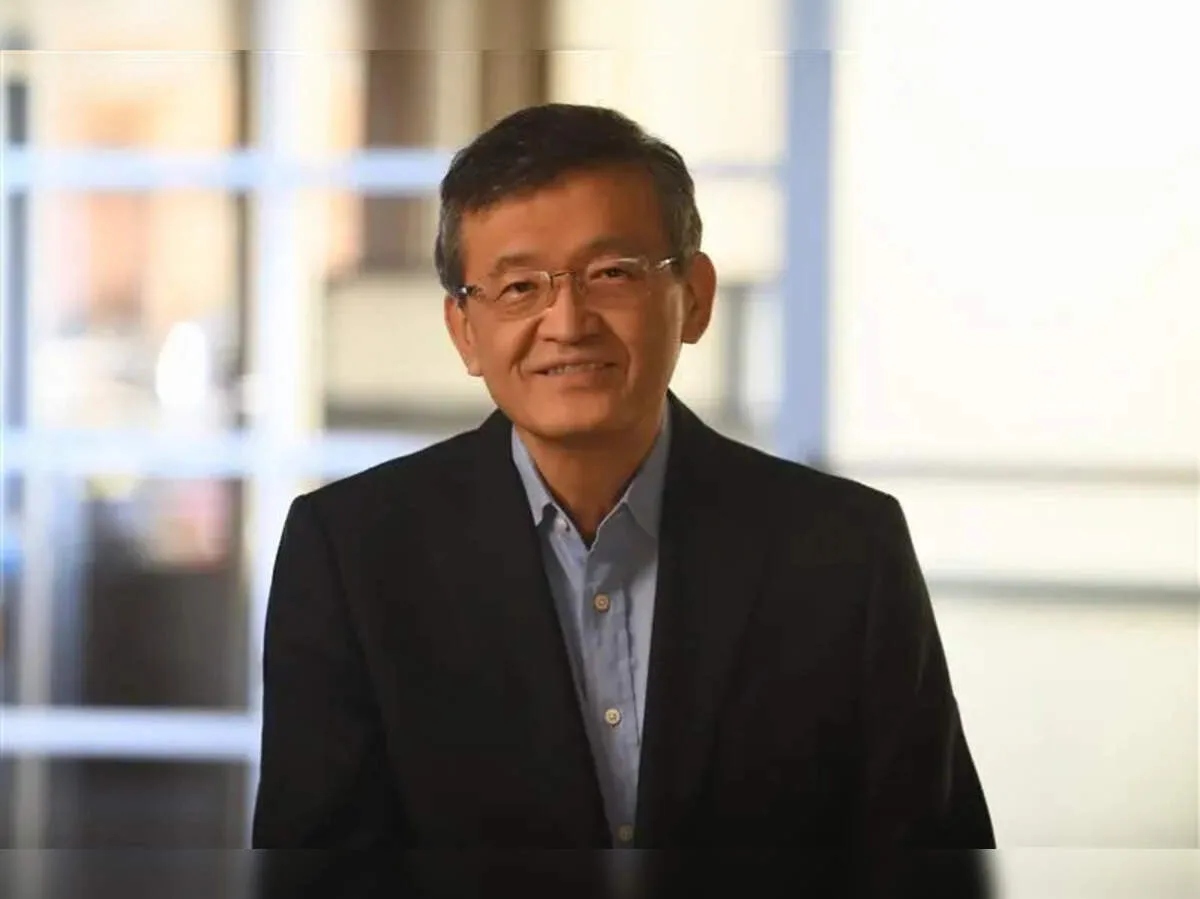
Intel CEO Lip-Bu Tan is leveraging high-profile alliances with Elon Musk, Apple, and the US government to rescue the 57-year-old semiconductor giant from its manufacturing slump. After a stagnant first seven months in the role, Intel's stock has surged to record highs as the company pivots aggressively toward becoming a primary foundry for the world's largest tech companies. The strategic shift comes after Intel missed the initial artificial intelligence boom, losing critical data center market share to Nvidia.
Rather than micromanaging internal product roadmaps, Tan is operating Intel much like a venture capital firm, using his extensive Silicon Valley network to open doors. This approach recently culminated in a White House meeting with US President Donald Trump, a deal that positioned the US government as Intel's third-largest shareholder. Furthermore, Tan struck a surprise partnership with Elon Musk to build a massive factory complex, following Musk's recent visit to an Intel plant in Oregon.
Rebuilding the Foundry Business
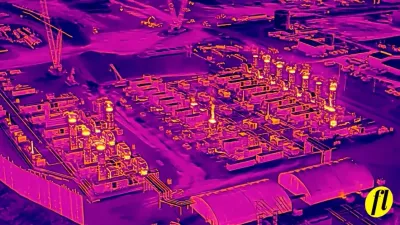
The core of Intel's survival hinges on its ability to manufacture chips for other companies, a sector where it has severely lagged behind Taiwan Semiconductor Manufacturing Co (TSMC). The company is currently in the early stages of a preliminary agreement to manufacture main processors for select Apple devices. However, securing interest is only the first step; Intel must prove its factories can deliver on time and at scale.
Naga Chandrasekaran, who leads Intel's factory business, noted that his immediate goal is to win back Intel's own product teams, which had resorted to outsourcing their most important products to TSMC due to internal delays. Tan has mandated that prospective external customers will receive equal, if not better, treatment than Intel's internal divisions.
Intel products alone, even in a wildly successful scenario, cannot fund the capital and filling the fabs and the scale that’s needed to be successful enough in a silicon business today.
- Naga Chandrasekaran, Intel
The Brutal Economics of Chip Yields
The primary hurdle threatening Tan's high-profile partnerships is the brutal unit economics of Intel's current manufacturing lines. According to New Street Research, Intel is struggling with production costs that are up to three times higher per chip than industry leader TSMC. Only 8% of this cost disparity is attributed to more expensive US labor.
The vast majority of the financial bleed - over 40% - is tied directly to yield rates. Intel's current yield rate hovers around 65%, meaning 35% of the chips produced in a run are defective and must be discarded. In contrast, TSMC operates with yield rates exceeding 80%. Intel's latest production node, known as 18A, is currently failing to produce usable semiconductors at the volume required to achieve profitability.
Fixing a Complacent Culture
Beyond the physics of silicon, Tan's executive team is battling a deeply entrenched corporate culture that failed to recognize the severity of three consecutive years of losses and a 33% revenue drop from its 2021 peak. Kevork Kechichian, brought in to run the crucial server chip unit, highlighted a pervasive lack of urgency among internal teams.
Kechichian noted that when teams missed a deadline by two weeks, their proposed "recovery" plan was simply to extend the schedule by another two weeks - a response he said would be unacceptable at rivals like Qualcomm or Arm. Getting at least 80% of the organization to commit to a renewed sense of urgency remains a top priority for the new leadership team.
The Networking Gamble
Tan's strategy of securing massive optical wins through personal networking is a high-risk, high-reward gamble. While bringing Apple and Tesla to the negotiating table proves that the industry desperately wants a viable alternative to TSMC, handshakes cannot bypass the laws of physics. If Intel cannot rapidly push its 18A process node past the 65% yield threshold, these preliminary agreements will inevitably fracture under the weight of poor unit economics.
The broader implication is that Intel is no longer setting the computing agenda. For decades, Intel's developer conferences dictated the industry's direction; today, that mantle belongs to Nvidia's Jensen Huang. Tan has successfully bought Intel the one resource it was running out of - time. However, if the manufacturing floor cannot execute on the promises made in the boardroom, the US government's massive capital injection will only delay the inevitable restructuring of the company.