Recent shifts in Twitter's algorithm and verification system have drastically reduced the platform's utility for direct corporate engagement. As bot accounts proliferate and algorithmic feeds prioritize specific political content, tech community members are increasingly migrating to alternatives like Mastodon. For everyday users and tech professionals, this shift fundamentally changes how they interact with brands and distribute content online.
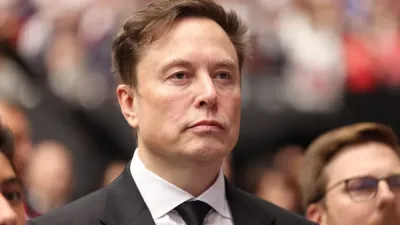
Historically, Twitter served as a highly effective channel for providing feedback to large organizations. Users routinely received direct responses from supermarkets, chain restaurants, major computer companies, and even government IT departments. However, recent management decisions under Elon Musk have seemingly discouraged this form of corporate interaction. The restructuring of the verification checkmark system has made it increasingly difficult to distinguish authentic corporate accounts from impersonators, significantly reducing the platform's value for customer service.
Beyond corporate engagement, the core user experience has been altered by deliberate algorithmic adjustments. Notifications and feeds are increasingly pushing content from conservative influencers and Musk himself, regardless of a user's established liking patterns or preferences. Coupled with a persistent lack of action against bot accounts, the incidence of genuinely useful discussions has steadily decreased. This has prompted many users to uninstall the mobile app, not strictly out of political disagreement, but due to a deliberate design that promotes irrelevant material.
The impact on content distribution is becoming starkly apparent for independent creators. When cross-posting blog announcements to an audience of 198 followers on Twitter, alongside Mastodon and Facebook, engagement metrics reveal a clear shift. Mastodon currently generates the highest number of reactions, followed by Facebook, while Twitter yields almost no engagement. This trend is forcing creators to reconsider whether maintaining a presence on Twitter remains a worthwhile investment of their time.
My Take
The ongoing decline in Twitter's corporate utility highlights a critical misstep in the platform's recent evolution. By dismantling the legacy verification system, the network sacrificed its most valuable enterprise use case: reliable, public-facing customer service. When users can no longer trust that a brand account is legitimate, the incentive for companies to invest resources into Twitter support vanishes.
Furthermore, the explicit algorithmic pivot toward specific influencer content over personalized, interest-based feeds is actively driving the tech community toward decentralized alternatives. The fact that Mastodon is now outperforming Twitter in engagement for niche technical blogs is a strong indicator of where power users are migrating. If Twitter continues to prioritize forced algorithmic content over organic community building, we will likely see a permanent exodus of independent creators and IT professionals.