The xAI data center lawsuit filed by the NAACP threatens to disrupt Elon Musk's aggressive artificial intelligence expansion in the greater Memphis area. The civil rights organization accuses the tech giant of violating the Clean Air Act by operating unpermitted natural gas turbines to power its massive computing infrastructure.
Filed in the U.S. District Court for the Northern District of Mississippi, the legal action targets xAI and its subsidiary MZX Tech, LLC. The NAACP alleges that the companies installed 27 gas turbines in Southaven, Mississippi, between August and December 2025 without securing the necessary air permits.
According to the filing, these turbines emit smog-forming pollutants and particulate matter that pose severe health risks to nearby residents. The NAACP is seeking an injunction to halt operations at the Colossus Gas Plant until proper pollution controls are implemented and appropriate civil penalties are paid.
The Colossus Infrastructure and Community Impact
Musk has positioned the greater Memphis area as the backbone of xAI's computing power, operating the Colossus 1 and Colossus 2 data centers just across the state line. To fuel this massive energy demand, the company claimed federal permits were unnecessary for the Southaven turbines, citing them as temporary installations.
However, xAI is already planning a more permanent facility named Macrohardrr in Southaven, which will utilize 41 natural gas-burning turbines. The NAACP lawsuit highlights that tens of thousands of people live near the power plant, noting that the affected communities have a significantly higher Black population than the national average.
In a parallel effort, the civil rights group is petitioning Mississippi state regulators to revoke a permit granted in March 2026 that authorized the construction of the permanent 41-turbine facility. Earthjustice and the Southern Environmental Law Center are representing the NAACP in these proceedings.
SpaceX Acquisition and Broader Regulatory Scrutiny
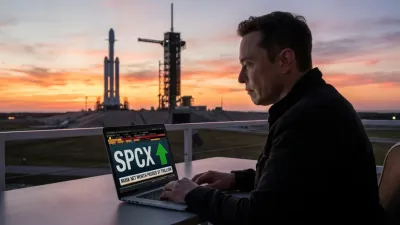
This environmental legal battle arrives during a period of massive corporate restructuring for Musk's empire. In February 2026, SpaceX officially acquired xAI in a landmark merger that valued the combined entity at $1.25 trillion, setting the stage for a highly anticipated initial public offering.
Beyond environmental concerns, xAI has faced intense scrutiny from the EU Commission and U.K. online safety regulators. Investigations were launched after the company's Grok chatbot and image generator facilitated the creation of non-consensual deepfake imagery, adding to the regulatory hurdles the company must navigate.
My Take: The Environmental Toll of the AI Arms Race
The NAACP lawsuit against xAI exposes a critical vulnerability in the generative AI boom: the staggering physical infrastructure and energy required to train Large Language Models (LLMs). As companies like OpenAI, Anthropic, and Google race to build larger data centers, the reliance on fossil fuels to bridge grid deficits will increasingly clash with environmental regulations and community rights.
Musk's strategy of rapidly deploying temporary gas turbines to bypass grid limitations highlights a "build first, permit later" approach that is now facing severe legal friction. If the court grants the injunction against the Colossus Gas Plant, it could force a major bottleneck in xAI's computing capabilities right before its projected IPO.
This case will likely set a major legal precedent for how aggressively AI companies can expand their power generation without facing crippling environmental litigation. The $1.25 trillion valuation of the combined SpaceX and xAI entity proves the market believes in the tech, but scaling it sustainably remains an unsolved crisis.
This article was written by AI from reporting by cnbc.com.