A California jury has determined that Elon Musk misled Twitter investors during his turbulent 2022 acquisition of the social media platform, potentially exposing the billionaire to massive financial penalties. The verdict centers on a series of posts regarding bot accounts that caused shareholders to sell their stock below the final purchase price, with plaintiffs' attorneys estimating damages could reach up to $2.6 billion.
This ruling is highly relevant for tech investors, corporate governance analysts, and market regulators monitoring the influence of executive social media behavior. For shareholders and executives alike, it establishes a critical legal precedent regarding how public statements on platforms like X (formerly Twitter) can be classified as materially false or misleading, directly impacting corporate liability and market stability.
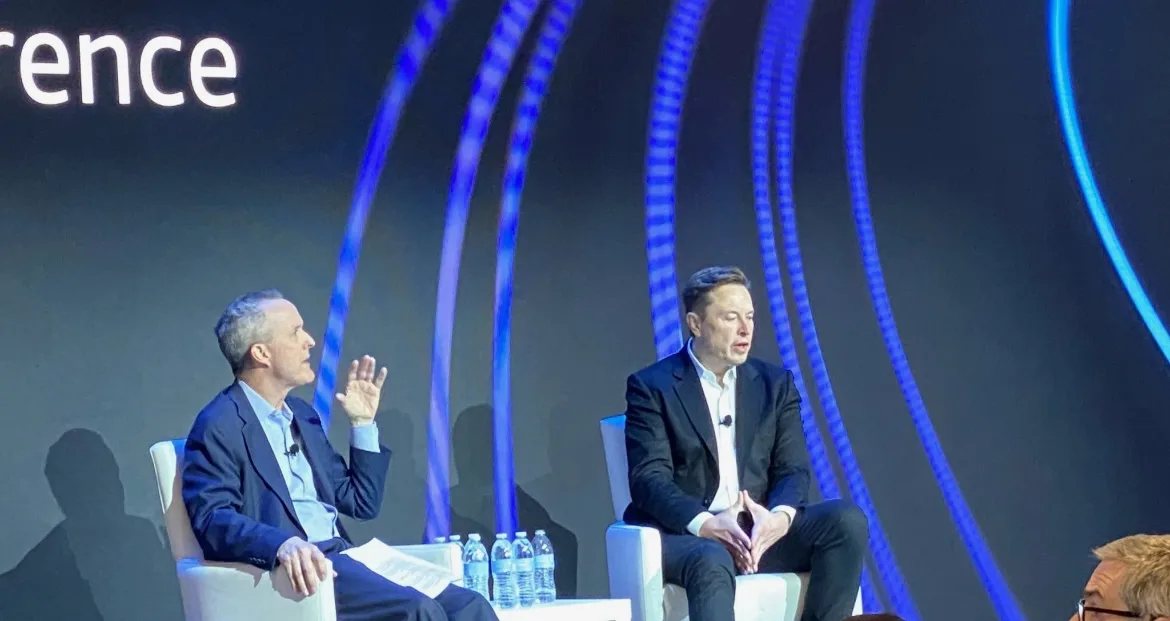
According to reports from CNBC and The New York Times, Musk testified earlier this month that he did not believe his posts would spook the financial markets. However, he candidly admitted during the proceedings, "If this was a trial about whether I made stupid tweets, I would say I’m guilty." While the jury found that Musk did not engage in a specific, overarching scheme to defraud shareholders, they explicitly cited two of his posts as materially false or misleading.
The $44 Billion Deal and Misleading Posts
The legal battle stems from Musk's initial $44 billion agreement to purchase Twitter at $54.20 per share. Following the agreement, Musk began publicly questioning the platform's internal metrics regarding spam and bot accounts. These public doubts caused market panic, leading some investors to offload their shares at values significantly below the agreed-upon $54.20 bid.
The jury specifically highlighted two posts from May 2022 that crossed the line into misleading territory. The first, posted on May 13th, 2022, stated that the Twitter deal was "temporarily on hold pending details supporting calculation that spam/fake accounts do indeed represent less than 5% of users."
The second post, published on May 27th, 2022, escalated the situation further. Musk claimed that fake accounts could be 20 percent or much higher, noting that his offer was based on the accuracy of Twitter’s SEC filings. He added that the platform's CEO had publicly refused to show proof of the sub-5 percent metric, concluding that the deal could not move forward until proof was provided.
Musk attempted to back out of the acquisition agreement in July 2022, accusing Twitter executives of committing fraud. After months of intense legal wrangling, he ultimately agreed to close the deal at the original price in early October 2022. Shortly after the acquisition was finalized, the affected investors filed their class-action lawsuit. Musk’s legal team is expected to file an appeal against the recent jury decision.
My Take
The potential $2.6 billion in damages serves as a stark reminder of the tangible financial consequences of executive social media use. By separating a deliberate "scheme to defraud" from the act of posting "materially misleading" statements, the jury has drawn a fascinating legal line. It suggests that intent to manipulate the market isn't strictly necessary for liability if the statements themselves are demonstrably false and cause direct shareholder harm. Moving forward, this verdict will likely force tech CEOs to heavily sanitize their public communications during active mergers and acquisitions, effectively ending the era of off-the-cuff dealmaking on social timelines.
Frequently Asked Questions
What did the jury decide in the Elon Musk Twitter lawsuit?
A California jury found that Elon Musk misled Twitter investors with specific tweets about bot accounts in 2022, causing them to sell shares below the final acquisition price.
How much could Elon Musk be forced to pay?
According to attorneys representing the plaintiffs, the damages from the lawsuit could reach as high as $2.6 billion, though Musk's legal team is expected to appeal the decision.
Which specific tweets were deemed misleading?
The jury cited two tweets from May 13th and May 27th, 2022, where Musk claimed the deal was "on hold" and questioned whether fake accounts represented less than 5 percent of the user base.