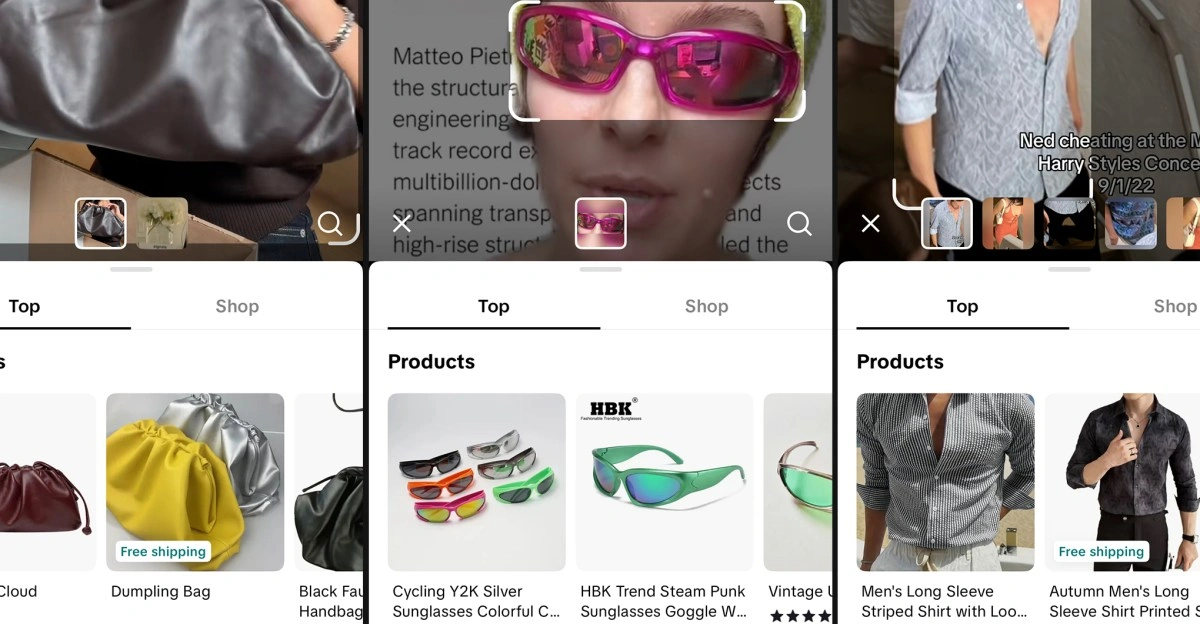
The rapid rollout of AI shopping features across major social platforms is transforming everyday user content into unauthorized digital storefronts. Both Instagram and TikTok are currently testing automated tools that scan user images and videos to inject product links, effectively turning both high-profile influencers and casual users into unwitting salespeople. For content creators and everyday users alike, this shift means personal media could be monetized by platforms without explicit consent, threatening affiliate income streams and personal brand integrity. The transition from traditional influencer marketing to algorithmic product placement marks a significant shift in how social media companies extract commercial value from user-generated content.
The Instagram and TikTok Implementations
In late February, a report from Puck highlighted a strange occurrence involving Julia Berolzheimer, an influencer with over a million followers. A new "Shop the look" button began hovering in the corner of her Instagram posts. When followers clicked the prompt, they were directed not to the premium items Berolzheimer was actually wearing and earning a commission on, but rather to visually similar, cheaper alternatives. Writing on Substack, Berolzheimer noted that her followers were being shown cheap knockoffs from unknown brands attached to her image and name, all without her prior knowledge or consent. Matthew T Torres, a spokesperson for Meta, stated via email that this is a limited test intended to help people explore products matching their interests. Torres clarified that Meta does not currently take a commission on these items and is exploring different labels based on user feedback.
Meanwhile, TikTok has been deploying a highly similar tool. When a viewer pauses a video on the platform, a "Find similar" button automatically pops up. The system uses artificial intelligence to scan the paused frame and recommends visually matching products available for purchase on TikTok Shop. This automated scanning has been applied indiscriminately; it has surfaced on videos from small accounts with just over 400 followers and, disturbingly, was even found applying shopping links to sensitive footage emerging from Gaza. In both ecosystems, the opt-out mechanisms are often buried deep within settings menus, leaving users largely unaware that their content is being utilized as a product recommendation engine.
The Rise of Automated User-Generated Content
This aggressive push into social-first commerce reflects a broader industry trend where the traditional boundaries of influencer marketing are dissolving. Brands are increasingly moving away from expensive, high-profile creator contracts in favor of micro-influencers and everyday users who provide a more organic, unpolished aesthetic. The user-generated content market has expanded to the point where gig economy platforms like Fiverr are flooded with offers to create promotional material for rates starting as low as $20. The automated AI tools from Meta and TikTok take this a step further by entirely bypassing the hiring process. In one bizarre instance of this unchecked content scraping, internet culture reporter Kate Lindsay discovered that a personal photo of her and her husband was being used to sell picture frames online.
Platform
Feature Name
Trigger Mechanism
Destination
Instagram
Shop the look
Hovering button on image posts
Lookalike product listings
TikTok
Find similar
Automatic pop-up when video is paused
TikTok Shop listings
Frequently Asked Questions
How do these AI shopping tools work?
The platforms use artificial intelligence to visually scan the clothing, accessories, or objects within a user's photo or video. The AI then matches those visuals with similar items available in their respective e-commerce databases, injecting a clickable purchase link directly over the content.
Can users prevent these links from appearing on their posts?
While platforms claim to offer opt-out options, these settings are typically buried deep within the application menus. Many users, including top-tier influencers, remain unaware that the feature is active on their accounts until notified by their followers.
My Take
The deployment of these AI shopping features signals a fundamental rewriting of the creator economy's unwritten contract. By applying the "Find similar" tool to TikTok accounts with as few as 400 followers, the platform proves that audience size is no longer the primary metric for monetization; the visual data within the video is the actual product. Furthermore, while Meta's Matthew T Torres claims the company does not currently take a commission on the "Shop the look" test, the long-term strategic goal is undeniable. Once users are conditioned to treat every paused video and static image as a shoppable storefront, platforms will inevitably monetize that traffic. This aggressive automation threatens to cannibalize the affiliate link revenue that influencers rely on, replacing curated, trusted recommendations with algorithmic knockoffs. Creators will soon need to treat their visual content with the same protective measures as copyrighted intellectual property, as platforms blur the line between personal expression and programmatic advertising.
This article was written by AI from reporting by theverge.com.
Enjoying the content? Join us!
Join thousands of readers and get the latest tech articles delivered directly to your inbox every week.
Founder and Editor-in-Chief of CoreITen, specializing in AI and emerging technologies. Dedicated to making complex technical concepts accessible to a global audience.
Did you like this article?
We are sorry you didn’t like the article. Please consider telling us how we can improve it:
Listen to the article
Read by your device, and the times are estimates