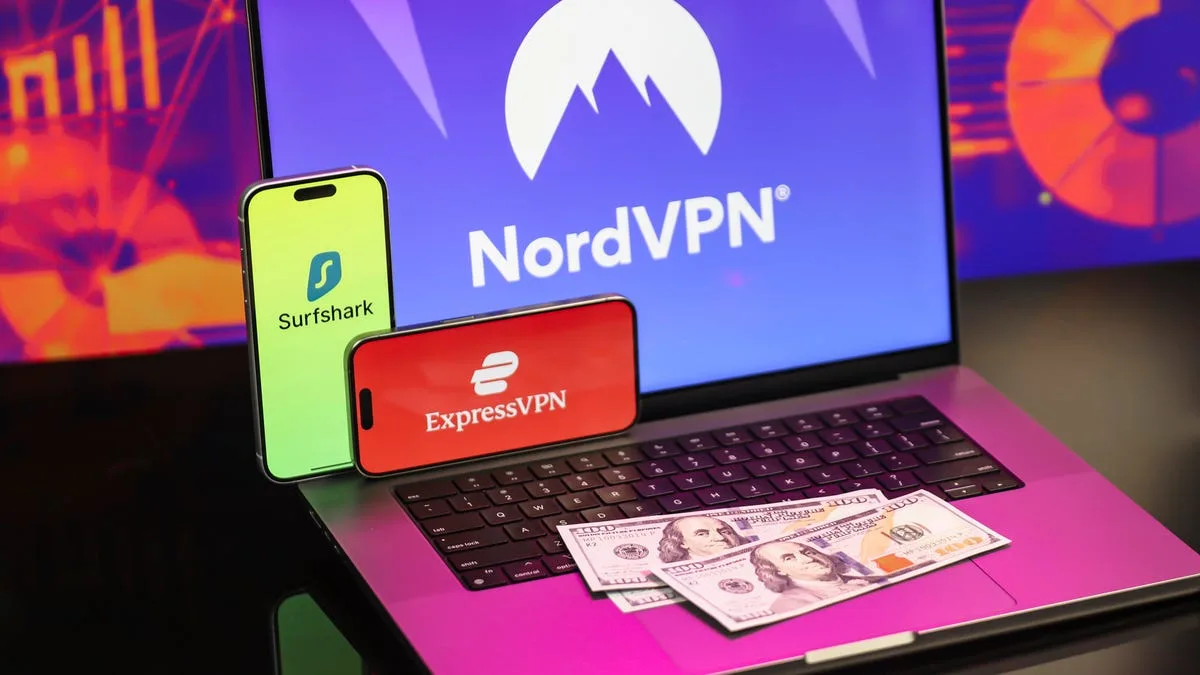
Comparing VPN prices requires looking past flashy monthly rates to uncover hidden renewal fees and long-term commitments. To find the true cost of your cybersecurity toolkit, you must understand how pricing structures, bundled features, and promotional illusions actually work. Here is exactly how to evaluate VPN plans and choose the right service for your needs.
This guide is specifically designed for privacy-conscious internet users, remote workers, and streamers looking to secure their connections without overpaying. By following these actionable steps, you will avoid exorbitant auto-renewal traps and determine whether bundled security features actually provide tangible value for your specific browsing habits. Ultimately, this knowledge empowers you to make a cost-effective, long-term decision regarding your digital privacy.
The VPN market relies heavily on subscription models where providers heavily discount long-term commitments to secure predictable revenue. Maintaining global server infrastructure, paying for bandwidth, and developing multi-platform apps for Windows, MacOS, iOS, and Android requires significant capital. Consequently, the "cheap" upfront prices advertised by providers often mask steep renewal hikes designed to offset those ongoing operational costs.
Step-by-Step Guide to Evaluating VPN Costs
- Calculate the true upfront cost: Ignore the advertised "per month" savings figure on multi-year plans, as this is merely a marketing illusion. Look directly at the total checkout price you are paying today, which typically ranges from $50 to $100 for an annual subscription, compared to $5 to $15 for a month-to-month plan. This reveals your actual immediate financial commitment.
- Check the renewal rate and date: Identify exactly what the subscription will cost after your initial promotional term ends. Many VPNs, such as NordVPN, raise their rates exorbitantly upon renewal, so you must turn off auto-renew immediately after purchasing to prevent unwelcome surprises on your credit card bill.
- Evaluate bundled features and add-ons: Assess whether the higher-tier plans that include antivirus software, password managers, or identity monitoring services are actually necessary for your setup. If features like ad blocking or alternative email creation are locked behind expensive tiers, ask yourself if you would have purchased those tools separately.
- Assess technical substance over the price tag: Do not assume that a more expensive VPN guarantees better privacy or faster streaming speeds. For example, Hotspot Shield costs $96 a year but provides a smaller server pool and fewer advanced privacy features than premium-priced rivals like ExpressVPN and NordVPN. Conversely, budget-friendly options like Surfshark perform exceptionally well across privacy and streaming without charging premium rates.
- Weigh the tradeoffs of free VPN tiers: Recognize that totally free VPNs often impose data caps, restrict server locations, throttle speeds, and may even collect and sell your user data. If you need a free option, strictly use free tiers from reputable paid providers, like Proton VPN, which maintain strict privacy standards despite feature limitations.
- Select the optimal subscription length: Choose a one-year plan as the sensible middle ground for most use cases. While multi-year plans offer the lowest monthly breakdown, committing to a single year secures a discount without locking you in if the VPN suffers a data breach, loses streaming access, or experiences degraded server speeds over time.
Other Notable Pricing Strategies
While the industry standard relies heavily on introductory discounts and subsequent price hikes, there are rare exceptions that prioritize transparency. Mullvad stands out as a notable exception in the VPN space by refusing to play the promotional game. The company does not offer introductory discounts and does not raise renewal prices, providing a level of pricing consistency where what you see is exactly what you pay.
My Take
The VPN industry's heavy reliance on the "introductory discount game" is a double-edged sword for consumer cybersecurity. While aggressive initial pricing lowers the barrier to entry for essential privacy tools, it ultimately penalizes loyal customers with steep, often opaque renewal hikes. The fact that a premium service like Hotspot Shield charges $96 annually while offering fewer advanced features than its direct competitors proves that price is no longer a reliable indicator of quality. As users become more savvy to these marketing illusions, providers will likely face increased pressure to adopt flat-rate, transparent pricing models similar to Mullvad's highly respected approach.
Frequently Asked Questions
Why are multi-year VPN plans so much cheaper per month?
Providers heavily discount long-term commitments because it guarantees them predictable, upfront revenue. This allows them to fund expensive global server maintenance and app development without worrying about month-to-month customer churn.
Are free VPNs safe to use?
Totally free VPNs often carry severe privacy risks, as many collect and sell user data or inject ads to make money. However, free tiers from vetted, reputable providers like Proton VPN are generally safe, though they come with strict data and speed limitations.
Should I buy a VPN bundled with antivirus software?
It depends entirely on your current cybersecurity toolkit. If you already pay for a standalone password manager and antivirus program, paying a premium for a bundled VPN tier is a waste of money; you should opt for a basic, VPN-only plan instead.
This article was written by AI from reporting by cnet.com.