Smartphone upgrades have become a game of diminishing returns, leaving many buyers wondering if the latest flagship is actually worth the premium. The Google Pixel 11 arrives as a refreshing answer to that dilemma, offering a polished, long-lasting experience that proves you do not need to overspend to get top-tier performance. For everyday consumers and those holding onto older devices, this release solidifies Google's position as the king of practical, user-first hardware.
According to extensive testing by SlashGear, the generational gaps between recent Pixel devices are narrowing significantly. Unless you are comparing a budget-tier model to a top-end flagship - such as the Pixel 9A versus the Pixel 10 Pro XL - the day-to-day experience remains remarkably consistent. The processing power inside the Pixel 11 is more than enough to handle modern apps and games well into the future. In fact, testers noted that it took until recently for the first-generation Pixel, released back in 2016, to finally feel sluggish.
Flagship Camera Power and Pro Controls
The camera system on the base Google Pixel 11 is excellent, delivering everyday photography and videography performance that is effectively neck-and-neck with the previous generation's Google Pixel 10 Pro. Google continues to rely heavily on its computational photography, utilizing smart background processing to ensure it is incredibly difficult to take a bad photo. However, this means users are leaning heavily on the software's interpretation of the scene.
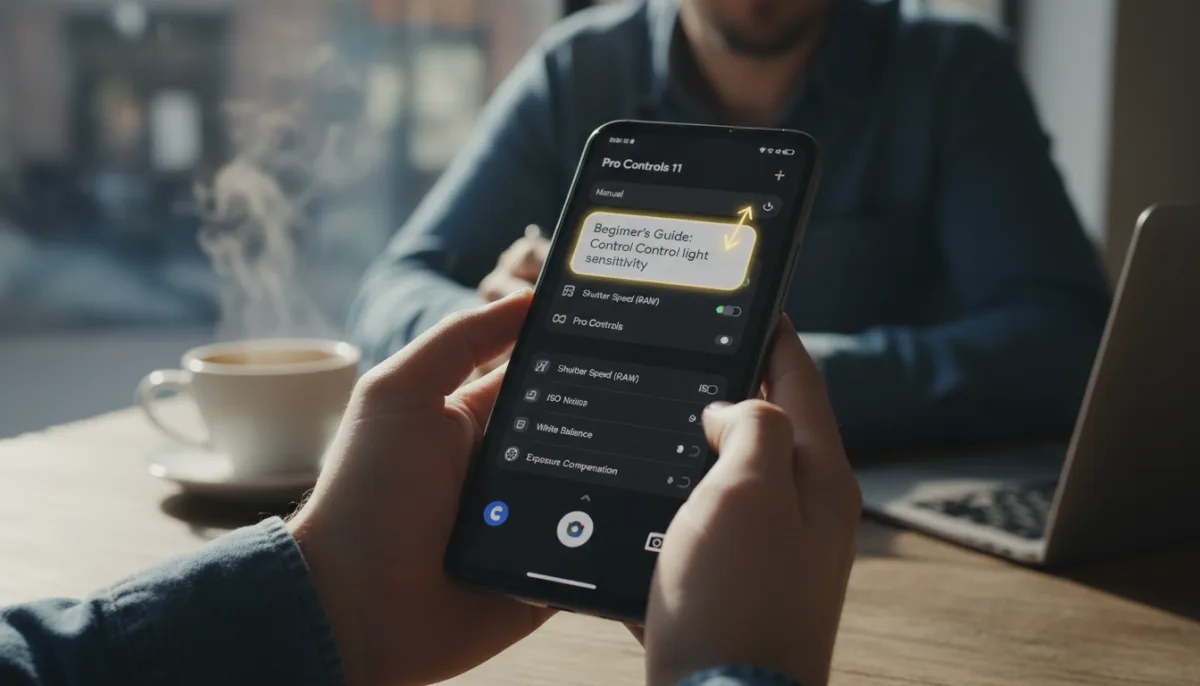
For users who previously felt restricted by Google's automatic processing, the Pixel 11 addresses those concerns head-on. The standard camera app now includes plentiful granular pro controls, allowing users to tweak settings manually and shoot RAW photos to bypass the automatic photo-fixing process entirely. Additionally, the latest camera app features a built-in tutorial system with examples, making it highly accessible for beginners starting from scratch.
Software Simplicity and Google Gemini
In an era where smartphones are increasingly bloated with forced subscriptions and inescapable AI tools, the Pixel 11 feels remarkably calm. While it features the Google Gemini AI system, users have the complete freedom to turn it off if they prefer a traditional experience. The device does not bully users into adopting proprietary apps or paying extra to unlock advertised features.
Classic, beloved features remain intact and highly functional. The ambient music recognition tool, Now Playing, continues to be a standout feature that many users rely on daily. The overall software experience is clean, uncomplicated, and designed for long-term usability, backed by a massive seven-year software update guarantee that ensures the phone will likely outlast your desire to keep it.
Should You Upgrade to the Pixel 11?
If you are currently using an older device, such as a Google Pixel 3 from 2018, upgrading to the Pixel 11 is a massive leap forward and well worth the investment. However, because the hardware differences are so iterative, buyers should also consider the refurbished market. A refurbished Google Pixel 10 Pro offers an almost identical daily experience and might leave extra room in your budget for discounted magnetic accessories and protective cases.
For those ready to buy the latest hardware, you can find the Google Pixel 11 at the Google Store online for around $1,099 right now. When making the jump, factor in the cost of new screen protectors and cases, as the newest generation always commands a premium in the accessory market.
The End of the Hardware Spec Race
The release of the Pixel 11 highlights a fundamental shift in the smartphone industry: raw processing power has been completely commoditized. When a base model phone in 2026 is virtually indistinguishable in daily performance from a 'Pro' model of the previous year, the traditional spec race is officially over. Consumers are no longer buying processors; they are buying software longevity.
Google's seven-year update guarantee is the real anchor of this device's value proposition. By ensuring the software outlives the physical hardware, Google is actively changing consumer upgrade cycles. This strategy forces competitors to stop relying on minor camera bumps or processor tweaks to drive sales, and instead focus on long-term ecosystem reliability. For the average buyer, the smartest financial move is now to buy the baseline model and hold it until the battery physically degrades, rather than chasing annual iterative updates.
This article was written by AI from reporting by slashgear.com.