Android XR Glasses: A 2026 Breakthrough Beyond AI Buzz
Samsung's recent earnings call has solidified expectations for Android XR smart glasses arriving in 2026, marking a pivotal step in wearable AR technology. Executive Vice President Seong Cho announced plans for "rich, immersive multimodal AI experiences" across devices, including these next-generation glasses developed with Google, Warby Parker, and Gentle Monster. While AI integration like Google's Gemini is part of the pitch, the real draw lies in practical hardware advancements that could make AR eyewear a daily essential.
Confirmed Timeline and Development Partners
The confirmation came during Samsung's Q4 2025 earnings discussion in late January 2026, where the company reported nearly tripled profits and AI chip expansions. This is the first official timeline since Samsung teased Android XR glasses in October 2025 and launched the full Galaxy XR headset. Two models are reportedly in development under codes SM-O200P and SM-O200J, both slated for 2026 release, potentially in the second half of the year.
- Samsung leads hardware with Google on the Android XR platform.
- Partners include eyewear brands Warby Parker and Gentle Monster for consumer-friendly designs.
- Qualcomm supplies the AR chipset, likely AR1 Gen 1 or AR1+ Gen 1, powering lightweight glasses.
Expected Specifications and Design Focus
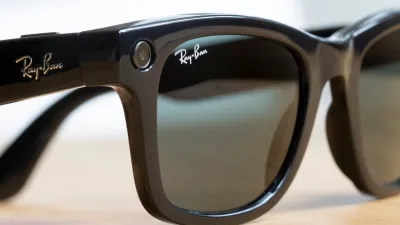
Leaks suggest a 12MP camera with autofocus for visual AI processing, gesture controls, and a compact 155mAh battery for all-day use. Weighing around 50 grams, these glasses prioritize comfort over bulky headsets, aiming to replace everyday eyeglasses rather than serve as occasional accessories. Unlike Meta's Ray-Ban sunglasses, which target outdoor use, Android XR glasses are designed for constant wear, integrating seamlessly with Android phones for processing offload.
Initial versions may lack full displays, featuring microphones, speakers, and cameras for audio-visual tasks, with monocular displays planned soon after. A stripped-down Android XR OS will support lower-power hardware compared to the Galaxy XR headset. Xreal's Project Aura and Magic Leap's prototype also leverage Android XR, signaling a unified ecosystem.
Why This Matters for Consumers
These glasses could transform how people interact with technology daily. Imagine hands-free navigation, real-time translations, or contextual reminders overlaid on your viewwithout the intrusiveness of AI overload. For the average user tired of notification fatigue, this hardware-first approach offers subtle augmentation that fits into routines, much like a smartwatch but for your eyes. Professionals in fields like logistics or healthcare stand to gain from gesture-based controls and visual aids, making AR practical rather than gimmicky.
Competition and Market Edge
Samsung's glasses enter a crowded field dominated by Meta's Ray-Ban models, which recently added displays but faced usability hurdles in early tests. Android XR's open platform, backed by Google and Qualcomm, enables developer tools familiar from standard Android, easing app creation. Samsung's global reach and phone ecosystem exclusivity could drive adoption, positioning glasses as a phone companion.
Other players like Xreal and Magic Leap are prototyping Android XR devices, with Magic Leap focusing on enterprise waveguide optics and microLED engines for efficient displays. Snap's Specs Inc. spinoff adds pressure, but Samsung-Google's multimodal AI promises advantages like visual Gemini inputs over Meta's audio-only features.
Challenges Ahead
Privacy concerns around always-on cameras and battery life remain key hurdles. Reports emphasize power optimization, but real-world testing will prove viability. Pricing and prescription lens integration will determine mass appeal, especially against Meta's established $300-400 range.
Despite skepticism toward Gemini, the ecosystem's momentumspanning prototypes to developer previewssuggests 2026 as AR's breakout year. For users, this means eyewear that enhances reality without dominating it, potentially shifting computing from pockets to faces.
This article was written by AI from reporting by androidauthority.com.