BYD has just raised the stakes in the affordable EV segment with the Song Ultra EV, a new electric SUV that combines impressive range with an aggressive price point that undercuts most competitors. Starting at $26,050 in China, this vehicle delivers up to 441 miles (710 km) of CLTC-rated range, making it a direct challenge to Tesla's pricing strategy and a signal that Chinese EV makers are aggressively competing on value.
What Is the Song Ultra EV?
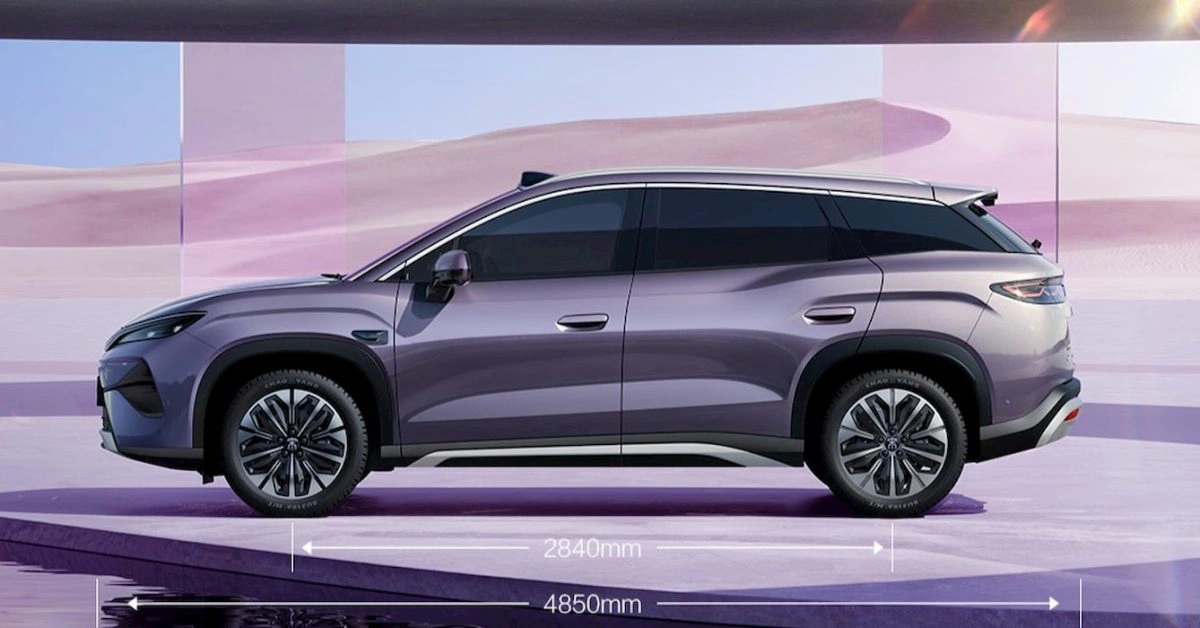
The Song Ultra EV is BYD's first B-segment pure-electric SUV within its Dynasty lineup, a series traditionally focused on mass-market appeal. The vehicle measures 4,850 mm in length, 1,910 mm in width, and 1,670 mm in height, with a 2,840 mm wheelbasemaking it slightly larger than the Song L DM-i plug-in hybrid it sits alongside. This positioning places it in the compact-to-mid-size SUV category, a segment where affordability and practicality matter most to buyers.
The model was officially teased by BYD in early February 2026, with regulatory filings from China's Ministry of Industry and Information Technology (MIIT) confirming key specifications. The company has signaled a launch by the end of 2026, though no exact date has been announced.
Performance and Powertrain Specifications
The Song Ultra EV features a single rear-mounted electric motor delivering 270 kW (362 horsepower) and a top speed of 210 km/h (130 mph). This single-motor, rear-wheel-drive configuration prioritizes efficiency over outright performance, though acceleration figures suggest adequate responsiveness for daily driving. The motor setup is less powerful than some competitors but sufficient for a vehicle positioned as a practical family SUV rather than a performance machine.
Battery options include two Blade battery packs: a 75.616 kWh unit offering 620 km (385 miles) of CLTC range, and an 82.732 kWh pack delivering 710 km (441 miles). BYD's Blade battery technology, known for its safety and longevity, uses lithium iron phosphate (LFP) chemistrya choice that prioritizes thermal stability and cycle life over energy density. This explains why the Song Ultra achieves competitive range despite battery capacities that are modest by modern standards.
Technology and Smart Features
The Song Ultra EV is equipped with a roof-mounted LiDAR sensor and will feature BYD's God's Eye B advanced driver-assistance system (ADAS). This mid-tier autonomous driving platform supports Level 3 highway and city driving capabilities, along with automated parking functions. While not as advanced as Tesla's Full Self-Driving or Huawei's NIO Pilot systems, God's Eye B positions the Song Ultra as a tech-forward option in its price bracket.
Interior technology includes a rotatable multimedia display and a 12.3-inch digital instrument cluster, bringing modern infotainment standards to an affordable vehicle. These features, once exclusive to premium models, are becoming baseline expectations in the Chinese EV market.
Pricing and Market Positioning
| Model | Battery Capacity | CLTC Range | Price (USD) |
|---|---|---|---|
| Song Ultra EV (Base) | 75.616 kWh | 620 km (385 mi) | ~$26,050 |
| Song Ultra EV (Extended) | 82.732 kWh | 710 km (441 mi) | ~$26,050+ |
At $26,000, the Song Ultra EV undercuts Tesla's Model Y Long Range (starting around $43,000 in the US) by a significant margin. Even within China's competitive EV market, this pricing is aggressive. The vehicle targets budget-conscious families and fleet buyers who prioritize range and reliability over brand prestige or performance metrics.
Why This Matters
The Song Ultra EV represents a critical inflection point in the global EV market. BYD, already the world's largest EV manufacturer by volume, is demonstrating that affordable, long-range electric vehicles are no longer a compromisethey're becoming the baseline. The combination of 440+ miles of range, LiDAR-based autonomous driving, and a sub-$26,000 price point challenges the narrative that EVs must be expensive to be desirable.
For Western automakers, this is a wake-up call. Tesla's pricing power has relied partly on limited competition in the affordable EV space. Chinese competitors like BYD, Li Auto, and XPeng are rapidly closing the gap, offering comparable or superior technology at lower prices. The Song Ultra's launch signals that the EV market is shifting from scarcity-driven pricing to volume-driven competition.
My Take
The Song Ultra EV won't revolutionize the market overnightit's a China-focused launch with no confirmed international availability. However, it's a masterclass in value engineering. BYD has stripped away unnecessary complexity (single motor, LFP batteries, mid-tier ADAS) while preserving what matters: range, reliability, and smart features. If BYD eventually brings this vehicle or a similar model to global markets, it could force a reckoning across the industry. For now, it's a signal that the EV price war is intensifying, and consumers in price-sensitive markets will be the winners.
This article was written by AI from reporting by electrek.co.