Drivers looking to cut costs can now access the cheapest EDF EV charging tariffs, as the energy provider drops its overnight rates to a market-leading 6.49p/kWh. With average petrol prices hitting a two-year high of over 150p per litre, this aggressive pricing strategy extends the off-peak charging window to seven hours, allowing motorists to add up to 200 miles of range for under £7. The updated tariffs arrive as demand for electric vehicle energy plans surges, with EDF reporting a 32% year-over-year increase in customer adoption.
The core upgrade to the service is the extension of the off-peak window, which now runs from 11pm to 6am every night, replacing the previous 12am to 5am slot. According to EDF, an average motorist utilizing the GoElectric tariff alongside the Smart Charging bolt-on will save approximately £1,181 a year compared to driving a petrol vehicle. Joe Souto, Director of Retail at EDF, emphasized that flexing energy use helps reduce grid strain during peak hours, allowing drivers to transition toward cleaner, flexible electricity that fits modern life.
Breakdown of the New EDF EV Tariffs
EDF has structured its updated offerings to accommodate different hardware needs, ensuring compatibility with all electric vehicle makes and models. Both new and existing customers on these specific plans automatically receive the extended seven-hour off-peak window.
- GoElectric: The provider's most popular tariff features an off-peak rate of 6.99p/kWh. When combined with the Smart Charging bolt-on, the typical electricity-only annual cost for an average EV-owning household is estimated at £1,160.
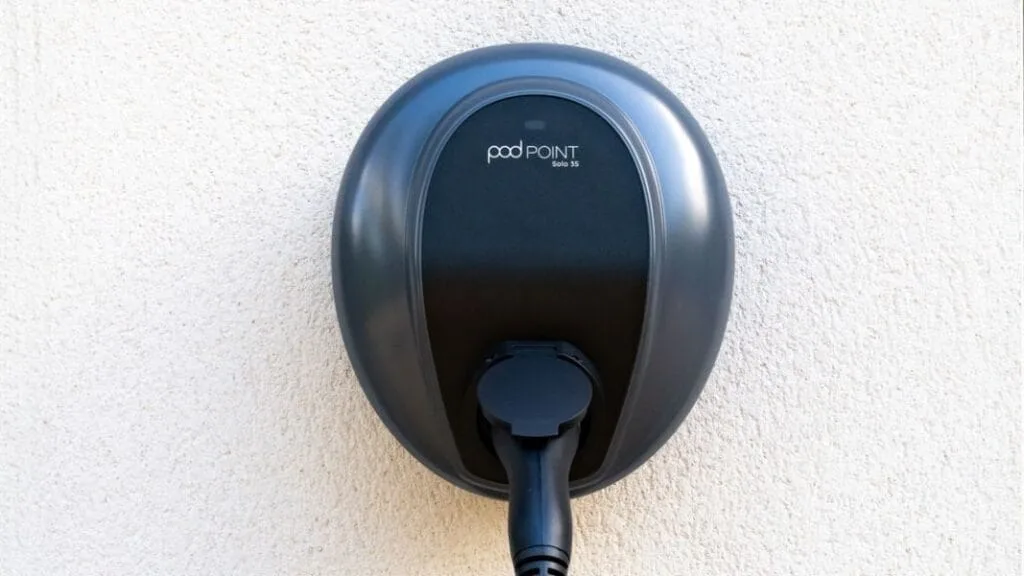
- Pod Point Plug & Power: Designed for users who need home charging hardware, this tier drops the off-peak rate to 6.49p/kWh. It allows drivers to purchase a Pod Point Solo 3S charger for an initial payment of £499 (discounted from £999), with the remaining balance integrated into the tariff over two years. The typical annual electricity cost is £1,400.
How to Switch and Eligibility Requirements
To take advantage of the extended off-peak hours and reduced rates, households must meet specific technical criteria to ensure accurate billing and grid management.
- Install a Smart Meter: Customers must have a fully connected smart meter installed at their property.
- Enable Half-Hourly Readings: You must explicitly opt into half-hourly meter readings, allowing EDF to track exact usage during the 11pm to 6am window.
- Sign Up Online: Existing customers can use the EDF online quoting tool to switch. New customers will initially be placed on the Standard Variable tariff until their smart meter connects to the system, after which they are automatically transferred to their chosen EV plan.
The Road Ahead: Market Impact
This aggressive rate cut by EDF is a calculated move to dominate the rapidly expanding EV home-charging sector. By dropping the floor to 6.49p/kWh and extending the window to seven hours, EDF is directly undercutting competitors whose lowest rates hover around 8p/kWh with strictly limited six-hour windows. The integration of the Pod Point Solo 3S charger into the tariff structure is particularly strategic; it lowers the barrier to entry for new EV owners who might be deterred by the £999 upfront hardware cost.
Looking forward, this pricing strategy will likely force a price war among major UK energy suppliers. As petrol prices remain volatile, locking consumers into a two-year hardware-integrated tariff secures long-term customer retention for EDF while simultaneously balancing the national grid during low-demand nocturnal hours. For consumers, the decision is straightforward: if your vehicle is parked at home overnight, transitioning to a dedicated EV tariff is now a financial necessity rather than just an environmental choice.
This article was written by AI from reporting by globalrenewablenews.com.