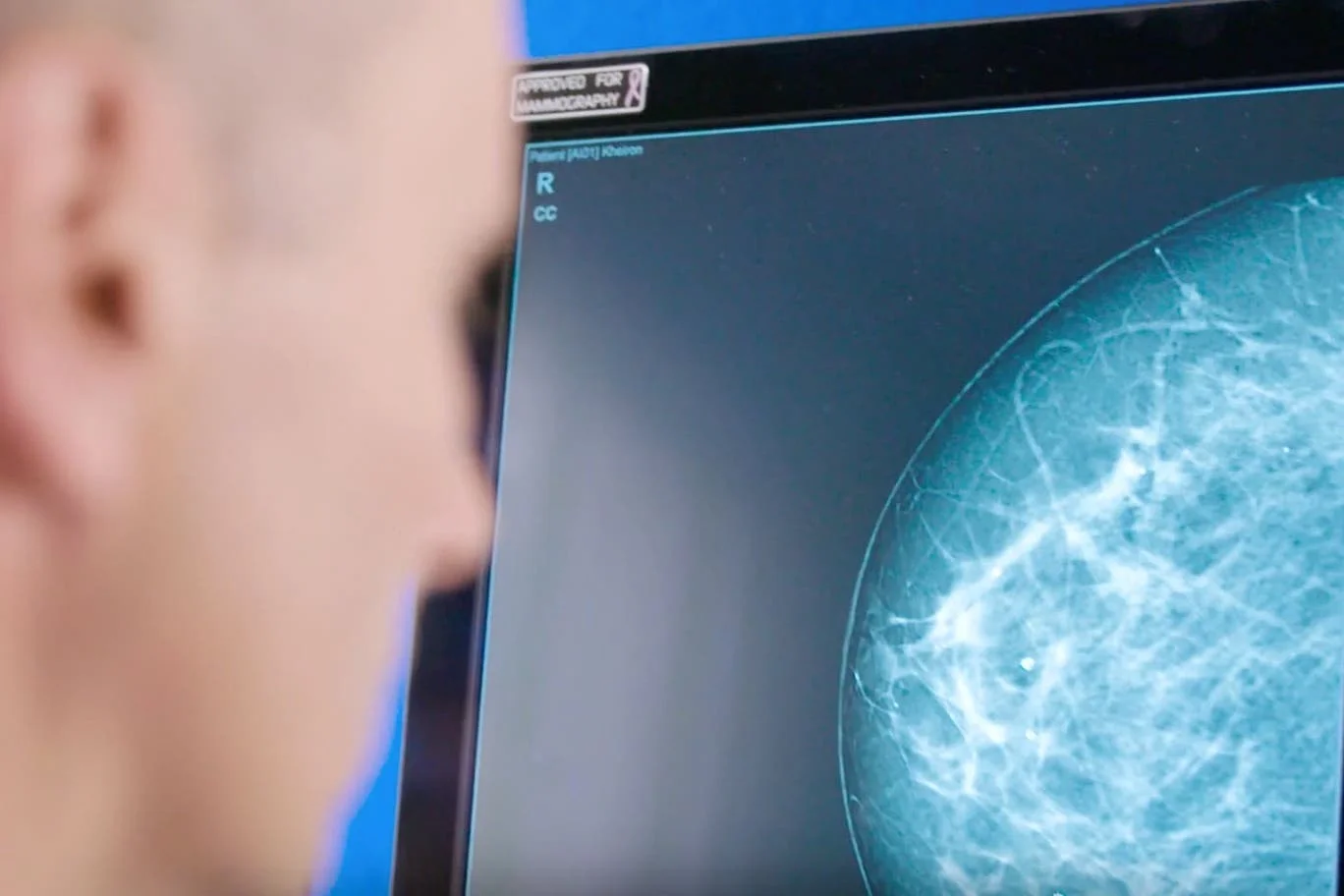
Artificial intelligence is now capable of detecting early indicators of heart disease during routine breast cancer screenings, offering a dual-diagnostic approach that requires no additional testing. A groundbreaking study led by researchers at Emory University utilized AI to identify calcification in breast arteries from standard mammograms, linking these calcium deposits directly to an increased risk of heart attacks, strokes, and early death.
Heart disease remains the leading cause of death for women worldwide, yet the condition is consistently underdiagnosed and undertreated compared to men. By integrating AI heart disease detection into existing mammography programs, healthcare providers can uncover hidden cardiovascular conditions in thousands of women using infrastructure that is already in place.
The Emory University AI Study
Published in the European Heart Journal (EHJ), the comprehensive study analyzed data from 123,762 women who participated in breast screenings and had no prior history of heart disease. The AI system was specifically trained to look for calcium deposits in the arteries of breast tissue, a condition known to harden arteries and elevate cardiovascular risk.
Dr. Hari Trivedi, who led the research team at Emory University in Atlanta, noted that the AI could identify women at risk of cardiovascular disease at no extra cost or inconvenience. The research team categorized the AI-detected calcification into four distinct levels: absent, mild, moderate, and severe, and tracked the participants' subsequent heart health outcomes.
| Calcification Severity | Increased Risk of Serious Heart Disease |
|---|---|
| Mild | Approximately 30% higher risk |
| Moderate | More than 70% higher risk |
| Severe | 2 to 3 times higher risk |
The correlation between visible calcium in breast arteries and serious heart events held true even for younger women under the age of 50, a demographic traditionally considered low risk. Furthermore, the AI's predictive accuracy remained robust even after accounting for other established risk factors such as diabetes and smoking.
Dr. Sonya Babu-Narayan, clinical director at the British Heart Foundation, emphasized the importance of this development. She highlighted that women are disproportionately unaware and underdiagnosed regarding heart health, making the use of AI to leverage large-scale screening data a critical step toward better and earlier cardiovascular disease prevention.
My Take
The integration of AI into routine mammograms represents a paradigm shift in preventative healthcare. By extracting secondary diagnostic value from existing medical imaging, healthcare systems can address the world's biggest killer of women without requiring new hardware, extra appointments, or additional funding. The fact that severe calcification indicates a two to three times higher risk of heart disease provides clinicians with a highly actionable metric. If policymakers adopt this AI integration, it could seamlessly screen tens of millions of women annually, transforming the mammogram from a single-purpose cancer check into a comprehensive women's health screening tool.
Frequently Asked Questions
Does this AI screening require a separate medical appointment?
No. The AI analyzes the exact same mammogram images already taken during a standard breast cancer screening, requiring no extra time or cost for the patient.
Is this AI detection effective for younger women?
Yes. The study confirmed that the AI accurately identified elevated heart disease risks based on arterial calcification even in women under 50 years old.