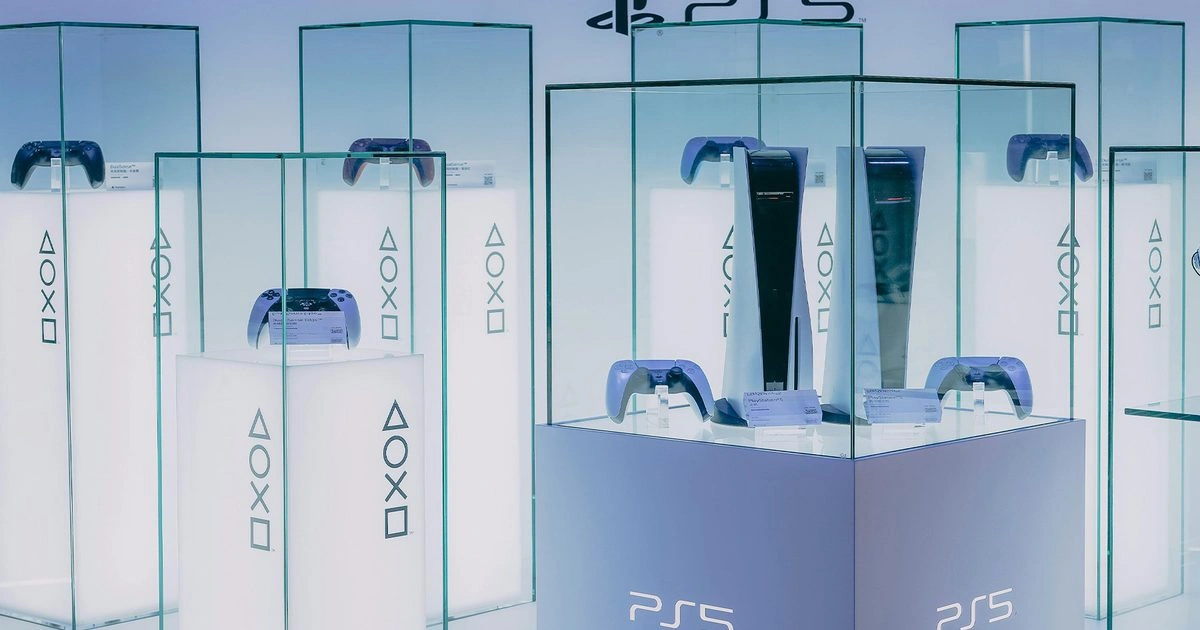
Sony's next-gen PlayStation 6 faces a potential delay to 2028 or 2029, shattering expectations for a 2027 debut. The culprit: skyrocketing memory prices fueled by AI data centers devouring global supplies, dubbed 'RAMmageddon' by analysts.
This isn't mere speculationBloomberg reports sources close to Sony confirm internal discussions to extend the PS5 lifecycle, as memory shortages threaten hardware costs and availability. With PS5 still thriving, the delay buys time but risks fan frustration.
AI Demand Triggers Industry-Wide Memory Crisis
The surge in high-bandwidth memory (HBM) and GDDR demand stems from AI training needs, where data centers snap up chips faster than manufacturers can produce them. Companies like Apple and Tesla have warned of production constraints, and Sony is adapting by reconsidering PS6 timelines.
Tim Archer, CEO of Lam Research, highlighted the scale at a recent conference: demand through the decade will 'overwhelm all other sources,' prioritizing AI over consumer electronics like gaming consoles. This forces Sony to weigh expensive launches against prolonged PS5 support.
PS6 Specs and the Memory Bottleneck
Rumors peg PS6 with 30GB GDDR7 RAMa massive jump from PS5's 16GBessential for advanced graphics and AI-enhanced features like upscaling. But current shortages mean such specs could inflate prices dramatically, making a rushed 2027 release unviable.
Sony's strategy historically maintains user engagement with tight generational handoffs, around seven years. A 2029 PS6 would stretch PS4-to-PS5's gap to nearly a decade, a 'major upset' per insiders, as Sony invests more in PS5 exclusives to bridge the void.
Historical Console Cycles Comparison
| Console | Launch Year | Successor Gap | Key Factors |
|---|---|---|---|
| PS4 | 2013 | 7 years (to PS5) | Stable supply chains |
| PS5 | 2020 | Potential 8-9 years (to PS6) | AI memory shortages |
| Switch | 2017 | ~8 years (Switch 2) | Price hikes due to demand |
This table illustrates how AI disruptions are elongating cycles across platforms. Nintendo, too, eyes Switch 2 price increases amid similar pressures.
Implications for Gamers and Developers
PS5 owners benefit from extended support, with Sony ramping up first-party titles that better utilize its hardwaremany current games underperform on PS5 specs anyway. However, delayed PS6 means waiting longer for breakthroughs in ray tracing, AI-driven NPCs, and 8K gaming.
Developers face uncertainty: tools optimized for PS6 won't arrive soon, potentially slowing innovation. Sony's price hikes on PS5 (e.g., US increase in August 2025) signal rising costs passing to consumers.
Broader Tech Ripple Effects
Memory woes extend beyond gamingGPUs, SSDs, and PCs face hikes, with RAM prices climbing rapidly. Sony's caution reflects a prudent pivot, prioritizing profitability over haste in an AI-dominated supply chain.
While unconfirmed by Sony, the consensus from Bloomberg and analysts paints a clear picture: AI's hunger reshapes hardware launches industry-wide.
My Take
Sony's potential PS6 delay is a smart hedge against AI-fueled chaos, ensuring a competitive console rather than a costly flop. Expect PS5 to dominate through 2028 with VR integrations and AI upscaling updates, but gamers should brace for higher entry prices. Long-term, this cements AI as gaming's double-edged swordpowerful yet postponing progress.
This article was written by AI from reporting by digitaltrends.com.