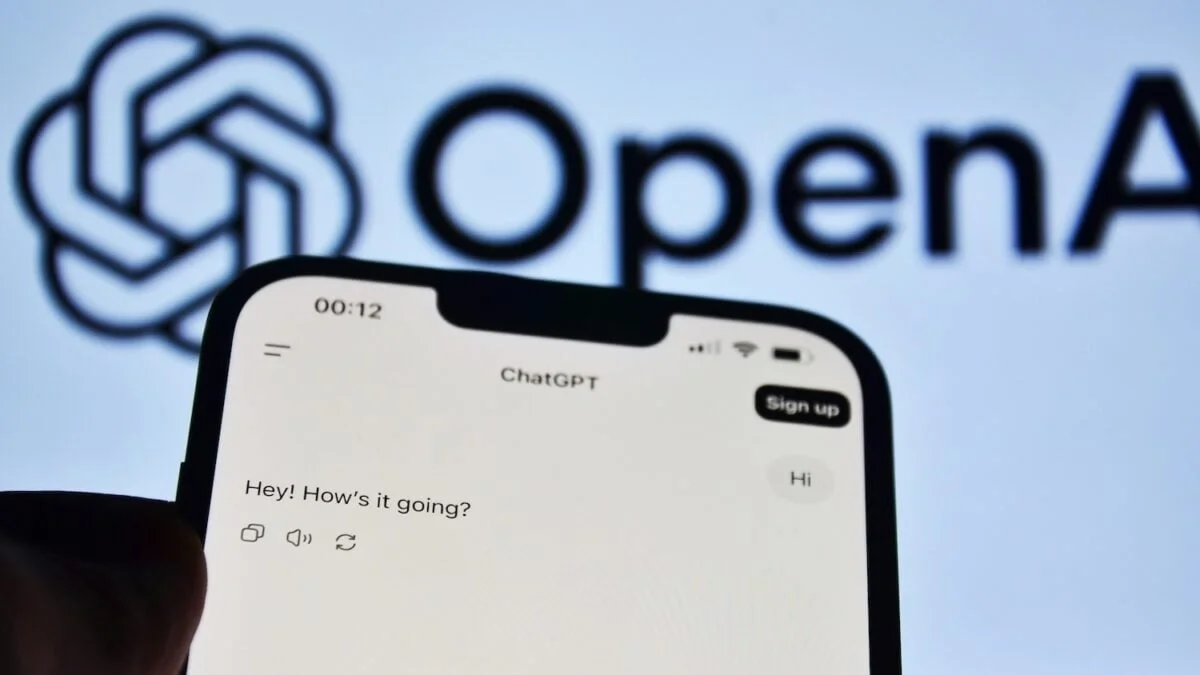
Responding to Criticism with Strategic Ads
OpenAI has begun testing clearly labeled ads in ChatGPT for logged-in U.S. users on the free tier and the new $8/month Go subscription, positioning this as a cautious step toward monetizing its conversational AI platform. This move comes amid backlash from Super Bowl commercials that criticized Big Tech's ad-heavy models, prompting OpenAI to integrate sponsored content directly into the app while emphasizing user controls and trust.
The ads appear in a dedicated section at the bottom of chat responses, visually separated from AI-generated answers to preserve the integrity of ChatGPT's outputs. Advertisers commit budgets starting around $200,000 for a several-week U.S. test period beginning early February, paying $60 per 1,000 viewsa rate comparable to premium streaming inventory like NFL games. Metrics provided include views and click-throughs, though deeper performance data remains limited during this initial phase.
How the Ads Work and User Protections
Ad selection matches sponsored products to conversation topics, past chats, and prior interactions without accessing full user conversations or influencing responses. For instance, a user querying recipes might see relevant meal kit or grocery delivery promotions. Users gain granular controls: dismiss ads, delete ad history, toggle personalization (limiting ads to the current chat when off), or opt out of ads on free tiers by accepting fewer daily messagesor upgrade to ad-free paid plans.
- Ads are tailored for relevance but never override AI objectivity.
- Free and Go tier users see ads; Pro ($20/month) remains ad-free.
- Future formats may enable conversational ads, allowing direct questions within ad units for purchase decisions.
This human-centric approach prioritizes trust, as one marketer noted: people expect ad-free AI experiences, making OpenAI's careful rollout essential to avoid alienating its massive user base.
Why This Matters
ChatGPT's scalepotentially attracting 40 million new U.S. generative AI users by 2029demands diverse revenue beyond subscriptions to sustain GPU-intensive operations and expand global access. Ads enable free or low-cost tiers for casual users, mirroring streaming services like Amazon Prime, while enterprise and Pro subscriptions drive core revenue. For marketers, this opens a top-of-funnel channel where competitor research queries could trigger branded placements, reshaping B2B discovery.
Realistic Scenario: Marketers Adapt to AI Conversations
Imagine a small business owner researching 'CRM alternatives to Salesforce' in ChatGPT. An ad for a competing tool appears below the response, offering a demo link. The owner clicks, asks follow-up questions via a conversational ad format, and convertsdemonstrating how brands gain direct access to high-intent moments without traditional search auctions. Early adopters monitoring U.S. tests can refine strategies based on keyword, topic, or context targeting, securing first-mover advantages in cost-per-acquisition.
Forward-Looking Implications
This test signals a broader monetization era for foundational AI models, blending subscriptions and ads to reach billions while funding innovation. Success could inspire rivals like Anthropic's Claude, pressuring Google to evolve search ads, and birth 'conversational ads' as a new standarduseful, interactive formats outperforming static banners. However, user backlash risks persist if ads erode trust; OpenAI's focus on feedback-driven refinements and non-optimized session times positions it to lead responsibly. For consumers, affordable AI access improves, but opting for paid tiers ensures uninterrupted experiences. Marketers should join waitlists now to test this evolving platform.
Overall, OpenAI's ad strategy underscores a pivotal shift: AI's knowledge engines, once purely free, now balance commercial viability with user-first principles, potentially redefining digital advertising at scale.