Modern smartphones in 2026 boast unprecedented processing power and battery life, but this relentless march forward has left behind some of the most versatile hardware features of the past decade. While the industry pushes toward seamless glass slabs, a growing segment of users is realizing that older, purpose-built technology offered practical solutions that Bluetooth and cloud storage simply cannot match.
As devices like the Pebble Time 2 and the upcoming Clicks Communicator prove that niche hardware still has a dedicated audience, here are five legacy smartphone features that desperately need a revival:
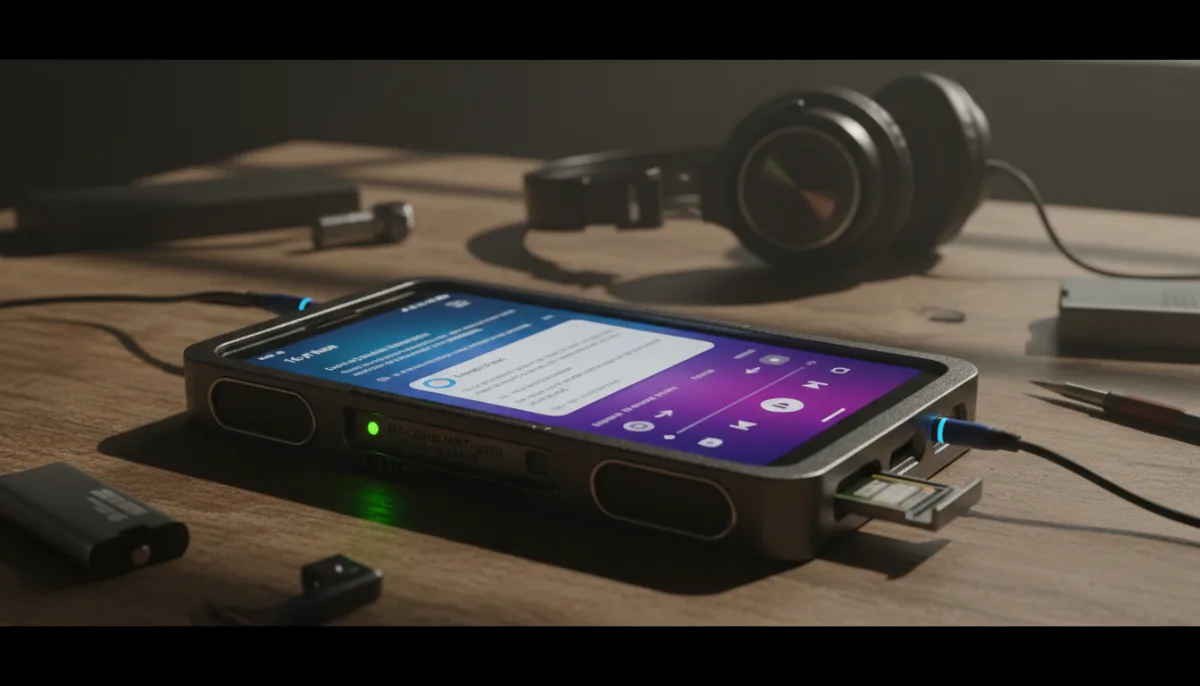
- 3.5mm Headphone Jacks: While Bluetooth is ubiquitous, physical audio ports remain essential for legacy car stereos and zero-latency listening. Devices like the LG V20 proved that integrated high-quality DACs offer a superior audio experience without the constant battery anxiety or connectivity drops of wireless earbuds.
- Wider Aspect Ratios (16:9): The industry's shift to ultra-tall screens abandoned the natural 16:9 format that made the Nexus 6 and LG V20 perfect for media consumption. However, the wider cover display on the new Galaxy Z Fold 8 is signaling a potential return to broader screens, allowing users to read documents without constant horizontal scrolling.
- microSD Card Expandability: With 512GB and 1TB storage tiers remaining prohibitively expensive, expandable storage is a crucial cost-saving measure. Beyond avoiding premium hardware markups, microSD cards provide reliable offline access to media without relying on expensive mobile data or cloud subscriptions.
- Replaceable Batteries: As consumers hold onto their phones for five to six years, battery degradation is inevitable. While the days of carrying spare cells in your pocket might be over, strict new EU regulations are forcing manufacturers - including Apple - to design devices with far more accessible and easily replaceable batteries.
- Bigger Bezels: The race for edge-to-edge displays sacrificed front-facing utility. Slightly thicker bezels could reintroduce powerful front-firing speakers, secure biometrics like the Galaxy Note 9's iris scanner, and highly visible notification LEDs. While Google is introducing HiLight tech on the Pixel 11 series, it is relegated to the back of the device, proving the front still needs dedicated notification space.
The Profit Motive Behind the Minimalist Push
The gradual erasure of these five features was rarely about improving the user experience; it was a calculated strategy to drive secondary revenue streams. Removing the headphone jack directly catalyzed the multi-billion-dollar true wireless earbud market, while eliminating microSD slots forced consumers into higher-margin storage tiers and recurring cloud subscription models. Manufacturers stripped away physical utility to sell it back as digital or peripheral services.
However, the tide is beginning to turn, driven more by regulatory pressure than corporate goodwill. The European Union's mandate for replaceable batteries proves that legislation can successfully challenge the industry's obsession with sealed, disposable hardware. If devices like the Clicks Communicator succeed in 2026, it will send a clear signal that consumers are willing to pay for functional versatility over purely aesthetic minimalism.