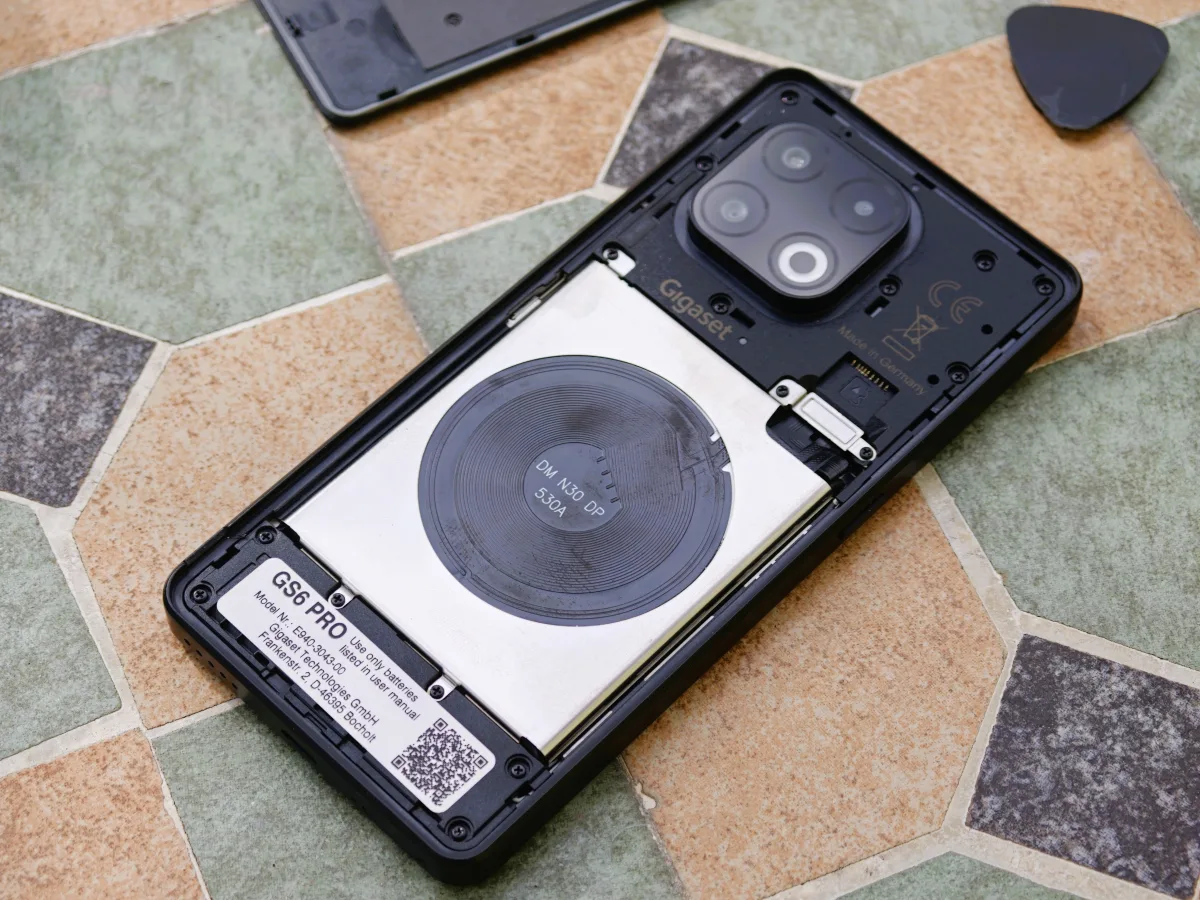
Finding a sustainable smartphone that does not compromise on daily performance has long been a challenge for eco-conscious consumers. The new Gigaset GS6 Pro enters the market as a compelling 5G alternative to the Fairphone 6+, offering a brilliant 6.67-inch FHD+ display and robust business features. Positioned as a premium business smartphone, this device attempts to balance high-end specifications with the environmental benefits of local European production.
While the Gigaset GS6 Pro delivers fast 5G connectivity and a sharp screen experience, its approach to eco-friendly technology differs drastically from its Dutch rival. The German manufacturer focuses heavily on maximizing local value creation, proudly stamping the device with a "Made in Germany" label. However, the company keeps its supply chain details closely guarded, lacking the open disclosure that has become a hallmark of the modern sustainable tech movement.
The Modularity and Transparency Gap
Where the Fairphone 6+ truly outshines the Gigaset GS6 Pro is in its radical commitment to user repairability and material transparency. The Fairphone is built around individual, user-replaceable modules rather than sealed glass and glue. If a component fails, owners can easily order replacement displays, camera modules, or charging ports directly from the online store and swap them out at home with basic tools.
Furthermore, the Dutch company openly shares its supply chain data and prioritizes the use of recycled materials across its manufacturing process. This level of transparency highlights a key shortcoming of the Gigaset GS6 Pro, which remains notably opaque regarding its internal components and material sourcing.
The Real Cost of "Made in Germany"
The clash between the Gigaset GS6 Pro and the Fairphone 6+ highlights a growing divide in how companies define sustainable electronics. Gigaset is betting that enterprise buyers will prioritize fast 5G performance and the reduced carbon footprint of local manufacturing over DIY repairability. However, by ignoring modularity, Gigaset misses the core ethos of modern eco-tech: device longevity.
A brilliant 6.67-inch FHD+ screen loses its sustainable appeal if a single broken charging port forces the user to replace the entire device. Ultimately, consumers must choose between the immediate performance perks and local economic benefits of the GS6 Pro, and the long-term, repairable transparency of the Fairphone. For users who view sustainability as the ability to keep a phone alive for a decade, modularity will always beat a local manufacturing label.
This article was written by AI from reporting by notebookcheck.net.