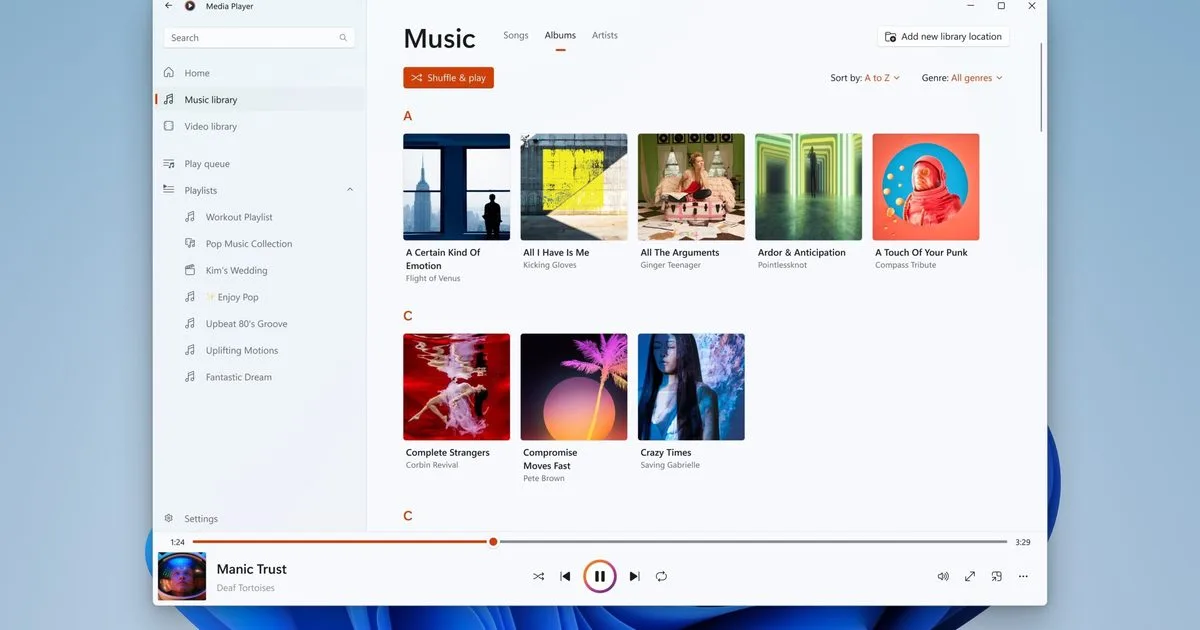
The modern Windows 11 Media Player is consuming nearly four times the memory of its 17-year-old predecessor while struggling to open local video files quickly. Despite a new Insider Preview update aimed at polishing the app, Microsoft's default media player remains bogged down by high RAM usage and frustrating paywalls for standard video formats.
According to testing by Windows Latest, the modern Media Player consumes around 377MB of RAM while sitting completely idle. In stark contrast, the legacy Windows Media Player - which originally shipped with Windows 7 nearly two decades ago - uses just 103.4MB. The newer application also takes noticeably longer to open local video files. For a core operating system utility where speed and efficiency are paramount, this performance regression highlights the bloat often associated with modern app frameworks.
Microsoft is attempting to address some user complaints with Media Player version 11.2605.14.0, currently rolling out to the Experimental Insider channel. The patch introduces practical quality-of-life improvements, including an indexing banner that explains why newly added media might be missing from the library. Caption styling now directly inherits the global Windows system settings, allowing users to adjust font sizes and colors seamlessly. The update also improves file recognition, blocks unnamed playlists, and resolves a crash linked to play queue editing.
However, the update ignores the glaring issue of format support. Playing HEVC (H.265) videos - the standard format for modern iPhones and Android devices - requires users to purchase Microsoft's HEVC Video Extensions app from the Store, which costs $0.99. While this paywall exists because HEVC is tied to strict patent licensing royalties, it creates a jarring user experience. Furthermore, the upcoming Windows 11 version 24H2 update has completely removed built-in AC-3 support, breaking native Dolby Digital audio playback.
How to Bypass Paid Codecs and Performance Issues
Since Microsoft's native solution requires paid extensions for basic smartphone videos, users are not forced to comply. You can easily bypass these restrictions by switching to free, open-source alternatives.
- VLC Media Player: A lightweight, universally compatible player that includes built-in support for HEVC and AC-3 without any hidden fees.
- MPV: A highly efficient, minimalist media player that consumes a fraction of the RAM used by Microsoft's modern app while opening local files instantly.
The Hidden Cost of "Modern" Windows Apps
The regression of the Windows 11 Media Player perfectly illustrates the fundamental flaw in Microsoft's ongoing push to modernize legacy Win32 applications. By rebuilding lightweight utilities into complex, web-connected frameworks, Microsoft is sacrificing raw performance for visual consistency. A media player's primary job is to open a file instantly; when a 17-year-old app does this better than a 2024 release, the underlying architecture is failing the user.
Furthermore, the removal of AC-3 support in Windows 11 version 24H2 and the $0.99 HEVC paywall signal a broader strategic shift. Microsoft is increasingly offloading patent licensing costs directly onto the consumer rather than absorbing them into the OS license fee. Until Microsoft optimizes its native apps and stops nickel-and-diming users for standard video playback, open-source software will remain the only logical choice for Windows power users.