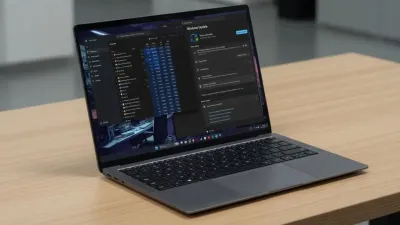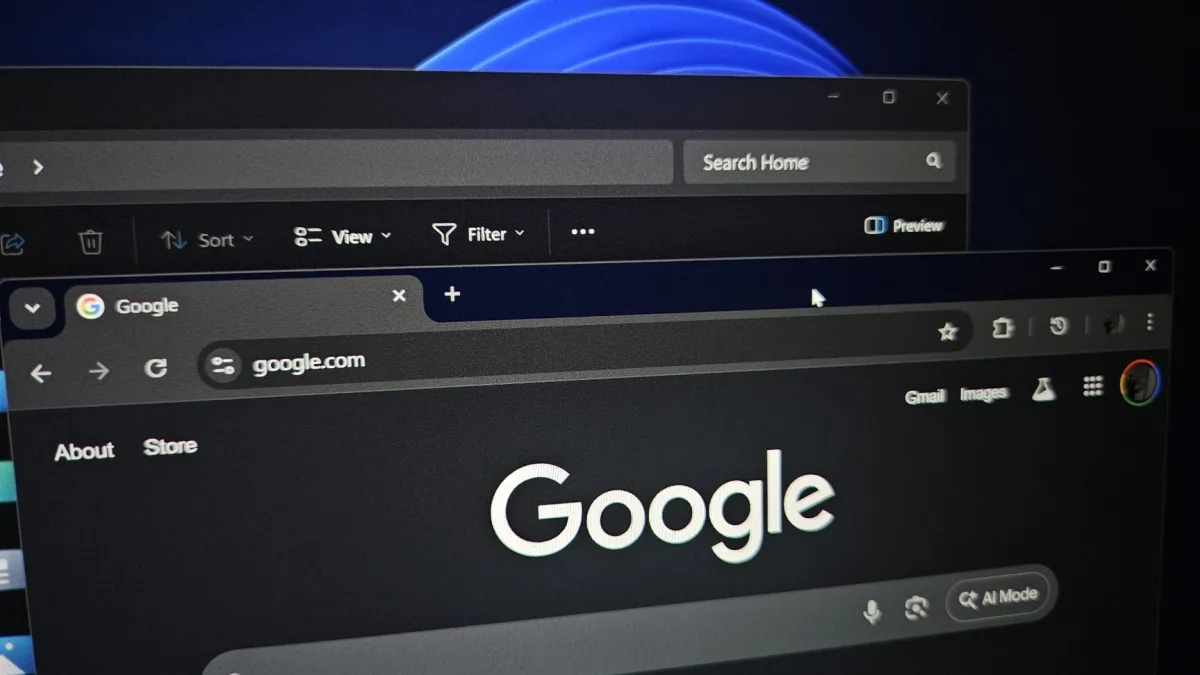
Google Chrome users hoping for a native aesthetic will have to settle for the current look, as development on the Windows 11 Mica design integration has officially been scrapped. Recent Chromium code commits confirm that Google is abandoning its long-standing efforts to bring Microsoft's Fluent Design transparency effects to the world's most popular browser.
This shift impacts millions of Windows users who prefer a cohesive desktop experience, signaling a broader industry pivot away from Microsoft's original operating system design language. The experimental work, which first appeared in Chromium repositories in 2023, was expected to roll out to the public in 2024 but suffered multiple delays before being quietly paused.
The Technical Shift Away from Fluent Design
Windows 11 introduced Fluent Design to move beyond simple rounded corners, heavily relying on two specific rendering materials: Acrylic and Mica. While Acrylic applies a standard transparency effect, Mica is highly optimized for performance. It samples the user's desktop wallpaper just once and applies that color to app backgrounds and title bars, creating a dynamic visual hierarchy without draining system resources.
You can apply Mica to your application backdrop to delight users and create visual hierarchy, aiding productivity by increasing clarity about which window is in focus.
- Microsoft
According to an official Microsoft document, the material was designed to seamlessly blend applications with the broader operating system theme. A stronger variant, known as Mica Alt, was also explored for both Chrome and Edge but ultimately failed to materialize in stable builds.
Now, David Pennington, a software engineer at Google, has confirmed that the experimental Mica flag has been entirely removed from Chromium. The remaining underlying code supporting the feature will be purged from the browser in the coming weeks, permanently closing the door on a native Fluent Design Chrome interface.
Why Windows 11 Mica Failed to Catch On
The cancellation of Chrome's Fluent Design overhaul is not an isolated incident; it reflects a fundamental shift in how desktop applications are built. Surprisingly, even the Microsoft Edge team has abandoned Mica and Acrylic materials. Instead of adhering to the native Windows 11 aesthetic, Microsoft is pushing a new "Copilot Design" language across Edge, MSN, and Bing.
This new direction relies heavily on web-based design principles - dominated by rounded corners and flat, cross-platform UI elements - rather than native operating system rendering hooks. By moving away from OS-specific materials like Mica, companies can maintain a single, unified codebase that looks identical across Windows, macOS, and Linux.
For users, this means the dream of a deeply integrated, visually consistent Windows ecosystem is effectively dead. When Microsoft itself prioritizes a web-first Copilot aesthetic over its own native Fluent Design rules, third-party developers like Google have zero incentive to invest engineering resources into OS-specific visual features.