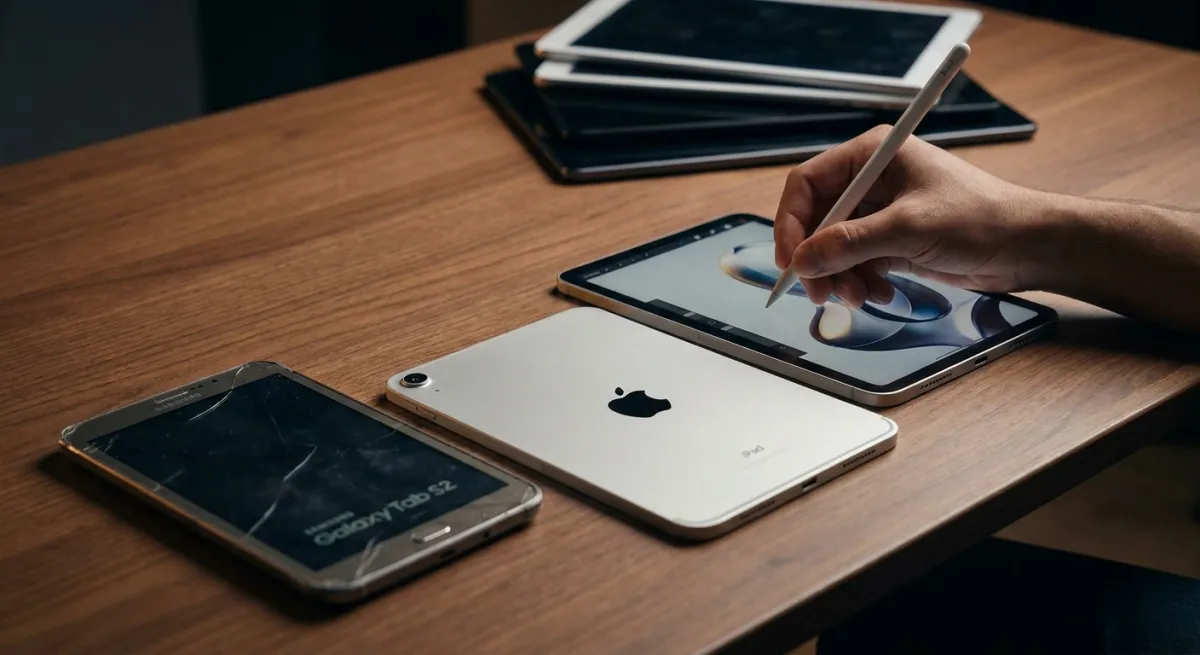
The debate between the iPad Mini vs Android tablets often comes down to a glaring gap in the market: the severe lack of premium, small-form-factor Android devices. For users seeking an 8-inch or 9-inch display with flagship-level performance, the Android ecosystem has largely abandoned this segment in favor of massive screens, forcing long-time loyalists to transition to Apple's iPadOS. According to a recent hands-on editorial from Android Authority, the shift away from compact Android tablets has left families and power users with limited budget options, prompting a reluctant but necessary migration to the latest iPad Mini.
The Disappearance of Premium Small Android Tablets
Over the past decade, manufacturers like Samsung, Lenovo, and ASUS have shifted their focus toward larger displays, culminating in massive devices like the 14.6-inch Galaxy Tab S10 Ultra. Users looking to upgrade older compact devices, such as the Galaxy Tab S2 8.0, are often forced to settle for budget-tier replacements like the Galaxy A 8.4. These budget models often lack the processing power required for modern gaming or heavy multitasking.
The iPad Mini fills this void by offering flagship-level performance in a compact, drop-resistant form factor. This smaller footprint is significantly easier for children and casual users to handle, reducing the risk of accidental damage that frequently plagues heavier 10-inch devices.
Where iPadOS Excels: Optimization and Accessories
Beyond the hardware footprint, Apple maintains a distinct advantage in software optimization and accessory integration. The Android Authority report highlights that iPadOS applications rarely suffer from the overstretched interfaces commonly seen on Android tablets. Furthermore, the gaming ecosystem on the iPad provides a near-console experience, with high-quality titles often arriving on Apple's platform well before they reach Android.
Hardware accessories also play a major role in the platform's appeal. While Samsung offers a robust ecosystem, Apple’s first-party tools, particularly the Apple Pencil Pro, provide a highly polished experience that easily converts the tablet into a dedicated digital drawing device. Additionally, Apple's tight control over its hardware and software ensures five to seven years of rapid OS updates, rivaling the extended support windows of top-tier Samsung models.
The Android Features Left Behind
Despite the hardware advantages of the iPad Mini, transitioning away from Android requires sacrificing several core functionalities. The Android Authority analysis points out several specific limitations of the Apple ecosystem:
- Multi-User Profiles: Unlike Samsung tablets, which allow separate accounts for parents and children, iPadOS strictly limits the device to a single user profile, making it difficult to share one tablet across a household.
- Storage and File Management: Android's straightforward file navigation and support for microSD expansion are absent on the iPad, making it harder to manage storage when devices fill up with applications.
- Sideloading and Development: Creating and testing unverified applications using tools like Construct 3 is remarkably simple on Android but practically impossible on an unmanaged iPad Mini.
- Customization: The ability to apply custom skins and deeply modify the user interface remains a distinct advantage of the Android operating system.
The Hidden Costs of Single-User Devices
The transition from Android to iPadOS highlights a broader industry trend where hardware excellence is increasingly tied to ecosystem lock-in. By refusing to implement multi-user profiles on the iPad, Apple effectively forces households to purchase multiple devices as children grow and require their own accounts. This strategy significantly increases the long-term cost of ownership compared to a shared Android tablet.
However, for users prioritizing a kid-friendly environment with minimal malware and low maintenance, the iPad Mini remains the safest choice in the current market. Until Android manufacturers recognize the untapped demand for premium 8-inch tablets, Apple will continue to monopolize the compact tablet sector, leaving Android loyalists with no choice but to compromise on their preferred operating system.
This article was written by AI from reporting by androidauthority.com.