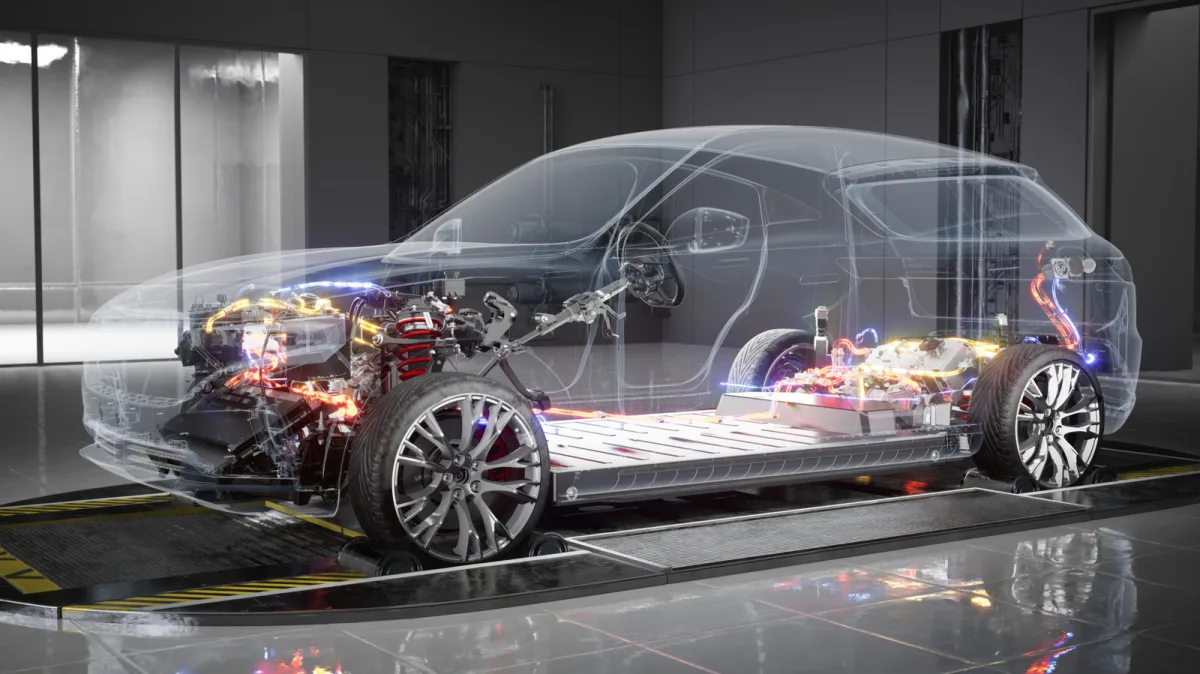
Electric vehicles are heavily marketed as maintenance-free machines, but treating them like plug-and-play appliances is a costly mistake. While an electric motor lacks the hundreds of moving parts found in a traditional V8 engine, the unique physics of EV driving creates an entirely new set of mechanical stresses. Proper electric car maintenance is essential to prevent unexpected breakdowns and massive out-of-warranty repair bills.
The Hidden Danger of Regenerative Braking
EVs rely heavily on regenerative braking to handle most deceleration, leaving traditional rotors and calipers underused. This lack of friction allows moisture from rain and humidity to accumulate, leading to severe rotor corrosion and seized caliper pins. Owners in northern climates must perform an annual brake service to tear down, clean, and re-lubricate these components.
Additionally, specialized fluids are required to handle the unique demands of heavy EV chassis. Products like DOT 5.1 EV brake fluid are engineered with special additives to prevent spot corrosion during extended periods of inactivity. This fluid also features a high boiling point to manage the increased heat generated when the heavy vehicle finally engages its mechanical brakes.
Why Instant Torque Destroys Standard Tires
Delivering peak torque at 0 rpm directly to the pavement places immense shear stress on tire treads. Combined with the heavy weight of lithium-ion battery packs, standard off-the-shelf tires will fail prematurely under these longitudinal and vertical loads. EVs require specialized tires built with reinforced construction and unique rubber compounds.
These EV-specific tires also feature acoustic foam liners to dampen road noise, which is otherwise highly noticeable without a loud combustion engine to mask it. To equalize wear and extend their lifespan, drivers should aim to rotate their tires every 5,000 miles.
How to Slow Battery Degradation
Lithium-ion battery degradation is driven primarily by cycle count and age. Leaving a pack at 0% or holding it at 100% accelerates the growth of the solid electrolyte interphase layer, which increases internal resistance and permanently slows down charge speeds.
- Keep the daily charge level between 20% and 80% using the vehicle's built-in software limits.
- Limit the use of DC Fast Charging, as high amperage generates extreme internal heat and causes lithium plating.
- Rely on slower Level 1 or Level 2 home chargers for daily top-offs to preserve long-term capacity.
The 12-Volt Battery Trap
A dead 12-volt battery will completely cripple an EV, even if the main 400V or 800V high-voltage pack is fully charged. The 12V system powers the high-voltage contactors, which are the physical switches required to engage the main battery. If these switches cannot draw power, the vehicle will refuse to start.
The low-voltage battery is also responsible for keeping the onboard computers and security features active while the car is parked. To prevent sudden stranding, mechanics recommend replacing the 12-volt battery every three years.
Cabin Climate and Heat Pump Efficiency
Because EVs lack ambient engine heat, they rely on resistive heaters or heat pumps to warm the cabin. Heat pumps move heat in and pull cool air out using specific refrigerants, which must be periodically checked for leaks. Maintaining this system is critical for winter driving efficiency.
Furthermore, clogged medical-grade HEPA filters force the blower motor to draw excess current from the 12V system. This extra electrical load directly reduces the vehicle's driving range, making routine filter replacements a vital part of maximizing battery performance.
The Illusion of the Zero-Maintenance Era
The automotive industry's push to frame EVs as zero-maintenance vehicles is creating a generation of drivers unprepared for specialized upkeep. While oil changes are obsolete, the shift in wear-and-tear simply moves from the engine bay to the chassis and thermal management systems. The sheer weight of modern EVs is accelerating suspension fatigue and tire degradation at unprecedented rates.
As the average EV weight continues to climb, tire particulate emissions and rapid mechanical wear will likely force regulators to mandate EV-specific safety inspections. Drivers who adapt to this new maintenance reality will maximize their battery lifespan, while those who ignore it will face catastrophic repair bills for seized brakes and degraded cells.
This article was written by AI from reporting by foxtrotalpha.jalopnik.com.