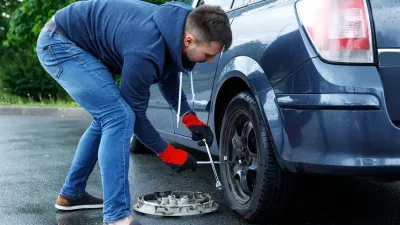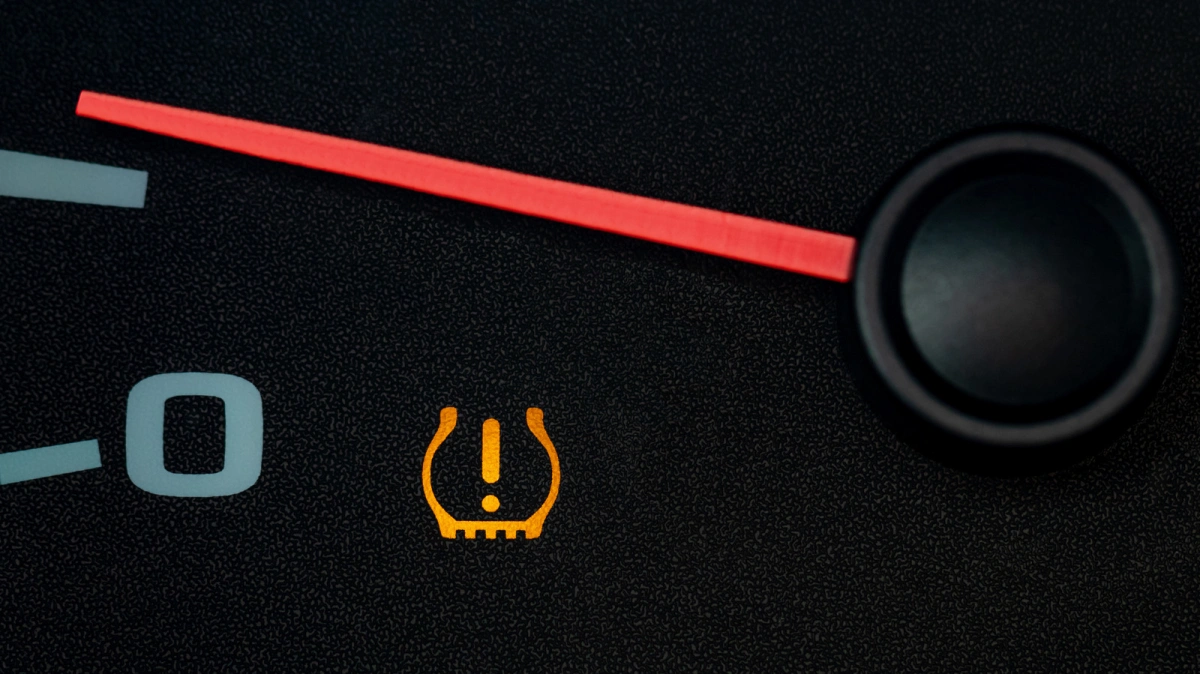
Diagnosing low tire pressure causes quickly is essential when that horseshoe-shaped dashboard warning light with an exclamation point suddenly illuminates. For drivers facing unexpected drops in PSI (pounds per square inch), understanding whether the issue stems from environmental factors or physical tire damage is critical. Maintaining the optimal air volume - typically found on a sticker inside the driver's door jamb or in the owner's manual - prevents poor handling, reduced fuel economy, and dangerous blowouts. This guide breaks down the three most common culprits behind under-inflated tires and provides actionable steps to identify and resolve them.
Step-by-Step Guide to Diagnosing Tire Pressure Issues
- Assess Temperature-Driven Pressure Drops (Cold Weather): The most frequent cause of fluctuating tire pressure is a sudden drop in ambient temperature. Because air contracts when it gets cold, a chilly morning can trigger your warning light. Action: Drive the vehicle for a few miles to see if the tires warm up and the air expands, which may turn the light off. If it remains on, use a portable air compressor or visit a gas station. Always double-check the readings with a manual gauge before adding air, even if your vehicle has a built-in monitoring system.
- Inspect for Punctures and Slow Leaks: If the warning light appears on a warm day, or if the system alerts you to only one specific tire, weather is likely not the factor. Driving over glass, nails, or screws can cause either a sudden blowout or a gradual, slow leak. Action: Visually inspect the affected tire for foreign objects. If you spot a nail or screw, do not remove it unless you are equipped to repair the tire yourself, as pulling it out will accelerate air loss. Drive to a repair shop where most small punctures can be fixed with a simple patch or plug, saving you the cost of a full replacement.
- Examine the Valve Stem and Tire Bead Seal: When weather and punctures are ruled out, the issue often lies in the tire's hardware. The valve stem - the small tube used to add air - can degrade with age or sustain damage from over-tightening. Alternatively, the bead area (where the tire meets the rim to form an airtight seal) can corrode over time or suffer damage from road debris and bent rims. Action: Listen for a faint hissing sound near the valve stem when adding air. Bead damage is harder to diagnose and may present as a wobbly ride or a persistent slow leak. If you suspect bead or valve failure, schedule an expert inspection immediately, as severe bead damage typically requires a complete tire replacement.
My Take
The evolution of modern Tire Pressure Monitoring Systems (TPMS) has transformed a once-overlooked maintenance task into an immediate, actionable dashboard alert. However, drivers often misinterpret these warnings, assuming the worst when a simple cold snap is to blame. The critical takeaway from these three common causes is the importance of manual verification. Relying solely on digital sensors without cross-referencing with a physical pressure gauge can lead to over-inflation, which accelerates tread wear. As vehicles become more advanced, mastering the analog basics - like knowing where your door jamb sticker is and visually inspecting for bead corrosion - remains the most effective defense against unexpected blowouts.
Frequently Asked Questions
Where can I find the correct PSI for my vehicle?
The recommended tire pressure is not printed on the tire itself; it is located on a sticker inside the driver's side door jamb or detailed in your vehicle's owner's manual.
Should I pull a nail out of my tire if I find one?
No. If you discover a nail or screw embedded in your tire, leave it in place. Removing it will likely cause a rapid loss of air pressure. Take the vehicle to a professional who can safely remove the object and apply a patch or plug.
Why is driving on under-inflated tires dangerous?
Under-inflation negatively impacts your vehicle's steering and handling, significantly reduces fuel economy, and increases the risk of catastrophic tire blowouts at high speeds.